

Unlock Inner Wisdom with Third Eye Meditation
Introduction: The Awakening of the Third Eye
Third eye meditation is a powerful spiritual practice that centers on activating the Ajna chakra, often referred to as the seat of intuition and insight. By focusing attention on this energy center located between the eyebrows, practitioners aim to access deeper levels of consciousness and awareness. The concept of the third eye has roots in ancient traditions and remains a cornerstone in modern meditative practices aimed at inner transformation.
Understanding the Third Eye: What Is It?
The third eye, or Ajna chakra in Sanskrit, is believed to be a gateway to higher consciousness. Often symbolized by an indigo lotus with two petals, it represents clarity, wisdom, and inner vision. In spiritual traditions such as Hinduism, Buddhism, and Taoism, the third eye is more than a metaphor—it is considered a real energy center that connects us to our intuition and psychic potential.
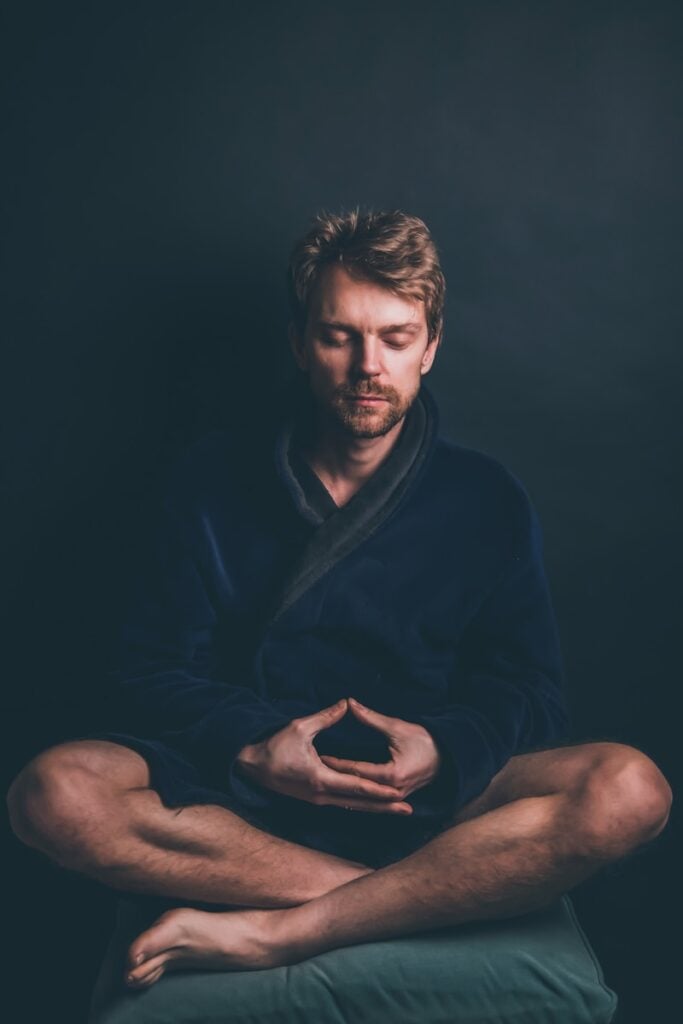
From a psychological perspective, third eye meditation can be associated with activating areas of the brain responsible for imagination, foresight, and reflection. When this “eye” is opened through regular practice, individuals report heightened perception and a sense of inner peace.
Benefits of Third Eye Meditation
Engaging in third eye meditation consistently can yield a range of benefits for the mind, body, and spirit. Below are some of the most commonly reported advantages:
1. Enhanced Intuition
By focusing on the third eye, practitioners often experience a stronger gut instinct or inner knowing. This sharpened intuition can improve decision-making and increase confidence in life choices.
2. Mental Clarity and Focus
Third eye meditation helps calm mental chatter, leading to improved concentration and mental clarity. This is especially useful for people dealing with overthinking or anxiety.
3. Heightened Creativity
The third eye is linked to imagination. Activating it can stimulate creative thinking and problem-solving abilities, making it beneficial for artists, writers, and innovators.
4. Spiritual Awareness
One of the most profound benefits is a deepened sense of spiritual connection. Third eye meditation can lead to feelings of oneness, expanded consciousness, and a better understanding of one’s place in the universe.
5. Improved Sleep and Relaxation
Regular practice helps regulate the nervous system, reducing stress and promoting restful sleep. It can act as a powerful antidote to the fast-paced demands of modern life.
How to Practice Third Eye Meditation
If you’re new to third eye meditation, the process might seem mysterious at first. However, the practice is accessible and can be incorporated into your daily routine. Here’s a step-by-step guide to help you get started:
Step 1: Choose a Quiet Space
Find a peaceful and quiet environment where you won’t be disturbed. This could be a corner of your home, a meditation room, or even a secluded outdoor space.
Step 2: Assume a Comfortable Position
Sit in a comfortable position with your spine straight. You can sit cross-legged on a cushion or in a chair with your feet flat on the floor. Relax your body and close your eyes gently.
Step 3: Bring Awareness to Your Breath
Begin by observing your breath. Inhale slowly through your nose and exhale through your mouth. Allow yourself to settle into a state of calm.
Step 4: Focus on the Third Eye
Shift your attention to the point between your eyebrows. Visualize an indigo light or imagine energy swirling at this location. You can also chant the mantra “OM,” which is traditionally associated with this chakra.
Step 5: Let Thoughts Pass
It’s normal for thoughts to arise during meditation. Acknowledge them without judgment and return your focus to the third eye. With time, the mind becomes quieter.
Step 6: Close the Session
After 10–20 minutes, gently bring your awareness back to your surroundings. Open your eyes and take a few moments before resuming daily activities.
Tips to Deepen Your Third Eye Practice
- Practice Regularly: Consistency is key. Aim to meditate daily, even if just for a few minutes.
- Use Essential Oils: Scents like frankincense, sandalwood, or lavender can enhance the experience.
- Incorporate Crystals: Amethyst and lapis lazuli are often used to support third eye activation.
- Eat Clean: A diet rich in fruits, vegetables, and clean water supports the body’s energy system.
- Limit Screen Time: Too much digital stimulation can dull intuitive senses.
Signs Your Third Eye Is Opening
While each person’s journey is unique, some common signs indicate that third eye meditation is having an effect:
- Increased synchronicities or meaningful coincidences
- Vivid dreams or enhanced dream recall
- Heightened perception of energy in people or places
- A stronger sense of knowing without logical reasoning
- Mild pressure or tingling sensation between the eyebrows
It’s important to stay grounded during this awakening. Keep a journal to record your experiences and reflect on your inner growth.
Challenges in Third Eye Meditation
Like any spiritual practice, third eye meditation comes with challenges:
1. Restlessness
Beginners often find it difficult to sit still or focus. This is normal. Over time, the mind adapts to meditative states.
2. Emotional Release
Activating the third eye can bring suppressed emotions to the surface. Be kind to yourself during this process. It’s a sign of healing and release.
3. Expectation Traps
Many expect dramatic visions or psychic powers overnight. While profound experiences do occur, most benefits come through subtle, gradual shifts in awareness.
Third Eye Meditation vs. Other Techniques
You might wonder how third eye meditation differs from other styles such as mindfulness or loving-kindness meditation. While mindfulness focuses on present-moment awareness and loving-kindness cultivates compassion, third eye meditation aims to unlock spiritual insight and inner vision. It’s a deeply introspective journey that complements other practices rather than replacing them.
The Science Behind Third Eye Meditation
Although the third eye is rooted in spiritual traditions, some modern research sheds light on its effects:
- Studies have shown that meditation focused on visualization can activate the prefrontal cortex and pineal gland.
- The pineal gland, often linked to the third eye, produces melatonin and regulates circadian rhythms.
- Meditation, in general, leads to changes in brainwave patterns that support relaxation, memory, and emotional regulation.
While science hasn’t fully validated the esoteric aspects of the third eye, the cognitive and emotional benefits of such meditative focus are well-supported.
Cultural Roots of the Third Eye
The third eye appears in multiple spiritual systems:
- Hinduism: The deity Shiva is depicted with a third eye, symbolizing destruction of illusion and higher perception.
- Buddhism: It represents enlightenment and insight beyond duality.
- Ancient Egypt: The Eye of Horus resembles modern depictions of the third eye and was considered a symbol of protection and wisdom.
- Taoism: The concept of “inner seeing” aligns with third eye development for attaining harmony with the Tao.
These shared traditions suggest a universal human longing to perceive beyond the physical senses.
Integrating Third Eye Meditation into Daily Life
To reap the full benefits, it’s helpful to integrate the insights from third eye meditation into daily living:
- Trust your intuition: Start acting on your inner nudges with confidence.
- Stay present: Use your sharpened awareness to stay grounded and mindful.
- Embrace silence: Find moments throughout the day to pause and reflect.
- Balance the chakras: Practice complementary meditations for other energy centers to support holistic development.
Final Thoughts on Third Eye Meditation
Third eye meditation is a journey inward—a practice that invites stillness, intuition, and self-discovery. Whether you’re seeking clarity, spiritual growth, or mental calm, this form of meditation provides a path to deeper awareness. With consistent practice and an open heart, the third eye becomes not just a mystical symbol, but a lived experience that transforms your understanding of self and the world.