
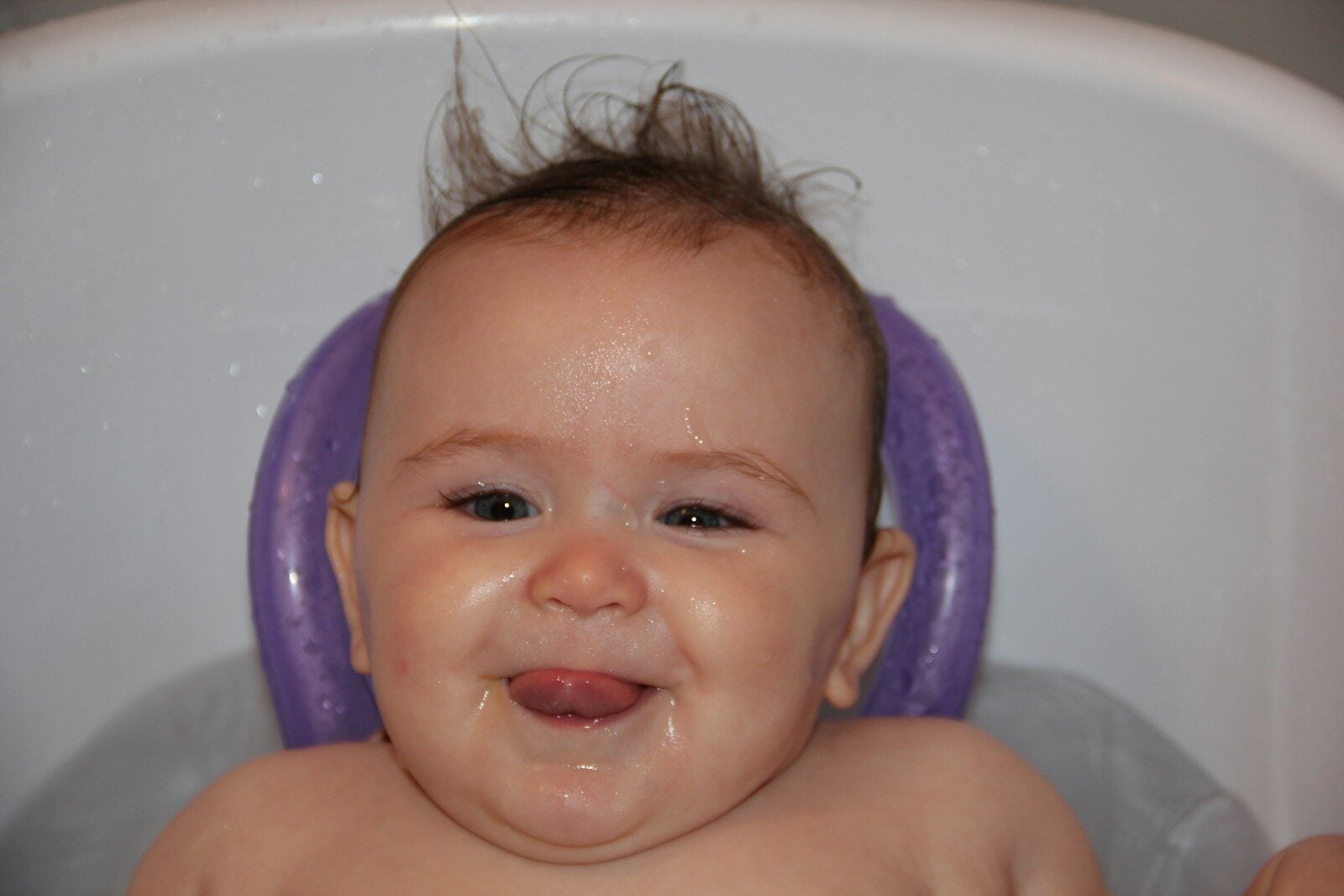
Finding the Best Baby Shampoos
When it comes to your little one’s bath time, finding the best baby shampoos means looking for products that are as gentle as a parent’s touch while being effective enough to clean away the day’s messes.
Key Takeaways
Finding the right bottle for your baby can feel like a daunting task. Between the marketing jargon and the long lists of scientific-sounding ingredients, it’s easy to get overwhelmed. But at the end of the day, your goal is simple: you want something that cleans their hair without stripping away natural oils or making them cry if a little foam slips into their eyes.
What Makes the Best Baby Shampoos Stand Out?
A baby’s skin is significantly thinner than an adult’s. This means it absorbs substances more easily and loses moisture faster. Because of this, the best baby shampoos avoid common irritants like sodium lauryl sulfate (SLS), which is the stuff that creates those massive, fluffy bubbles but can also cause dryness and itching.
Instead, top-tier brands use ingredients like decyl glucoside or coco-betaine. These are derived from coconuts and provide a gentle lather that gets the job done without the drama. You’ll also notice that many “best” lists prioritize products that are hypoallergenic and pediatrician-tested.
Essential Ingredients to Look For
When you are scanning the back of a bottle, look for these skin-loving additions:
- Colloidal Oatmeal: A superstar for soothing itchy or dry skin.
- Calendula: Known for its anti-inflammatory properties.
- Ceramides: These help “glue” the skin cells together, keeping the moisture barrier strong.
- Glycerin: A natural humectant that pulls moisture into the hair and scalp.
Choosing the Best Baby Shampoos for Different Needs
Every baby is different. Some are born with a full head of thick curls, while others stay “baldie-but-goodies” for the first year. Some have skin that reacts to everything, while others have no issues at all.
For Sensitive Skin and Eczema
If your little one is prone to red patches or has been diagnosed with eczema, you need a formula that is strictly fragrance-free. Even “natural” scents can be a trigger. According to the National Eczema Association, looking for their Seal of Acceptance is a great way to ensure a product has been vetted for sensitive skin. CeraVe Baby Wash & Shampoo is often a top recommendation here because it contains three essential ceramides.
For Cradle Cap
Those crusty, yellow patches on the scalp are common and usually harmless, but they can be stubborn. The best baby shampoos for cradle cap often contain very mild exfoliants or specific oils to help loosen the scales. Mustela Foam Shampoo for Newborns is a cult favorite for this specific issue because it uses avocado perseose to protect the skin barrier while gently clearing away flakes.
For Curly and Textured Hair
Curly hair needs extra moisture to stay defined and tangle-free. Shampoos with added shea butter or coconut oil help maintain the natural curl pattern. You might find that a “2-in-1” formula works best here, providing a bit of conditioning alongside the cleanse.
Quick Comparison of Top Choices
| Brand | Best For | Key Highlight |
| CeraVe Baby | Eczema / Sensitive Skin | Fragrance-free with ceramides |
| Aveeno Baby | Daily Moisture | Features soothing oat extract |
| Mustela Foam | Cradle Cap | 99% plant-based, prevents flakes |
| Pipette | Eco-Conscious | Uses sustainable squalane |
| Johnson’s Calming | Bedtime Routine | Iconic “No More Tears” formula |
Common Mistakes Parents Make During Bath Time
Even with the best baby shampoos in hand, the way you wash can impact your baby’s skin health.
- Using too much product: A pea-sized amount is usually plenty for a baby’s head. Using too much makes it harder to rinse and can lead to residue buildup.
- Water that is too hot: Hot water strips away the natural oils your baby needs. Aim for “lukewarm”—around 100 degrees Fahrenheit.
- Scrubbing too hard: A baby’s scalp is soft. Use your fingertips (not nails) or a soft washcloth to massage the shampoo in circular motions.
- Washing every day: Unless they’ve had a massive “blowout” or a spaghetti-related incident, most babies only need a full bath 2–3 times a week. Over-washing can lead to dry skin.
Steps for a Perfect, Tear-Free Bath
- Preparation: Get everything ready before the baby goes in the water. Once they are in the tub, you can’t leave them for a second.
- Temperature Check: Use your elbow to test the water; it’s more sensitive than your hand.
- The “Crown” Technique: Tilt the baby’s head back slightly when rinsing. This helps the water flow toward the nape of the neck rather than over the face.
- Pat, Don’t Rub: When bath time is over, pat the hair and skin dry with a soft towel. Rubbing can irritate the skin and cause tangles in the hair.
The Debate Over Fragrance
We all love that “new baby smell,” and many traditional shampoos use synthetic fragrances to achieve it. However, “fragrance” or “parfum” on a label can actually be a cocktail of dozens of undisclosed chemicals. For newborns, it is generally safer to stick to fragrance-free versions for the first few months. If you do want a scent, look for products that use light, steam-distilled essential oils like lavender or chamomile, but always keep an eye out for any redness or sneezing.
Pros and Cons of Natural vs. Conventional Shampoos
Natural/Organic Options
- Pros: Fewer synthetic chemicals, often biodegradable, better for the environment.
- Cons: Can be significantly more expensive; “natural” ingredients like essential oils can still cause allergic reactions in some babies.
Conventional Options
- Pros: Very affordable, widely available at any grocery store, heavily tested for safety over decades.
- Cons: May contain synthetic dyes or preservatives that some parents prefer to avoid.
Helpful Tips for a Calm Bath
If your baby hates the water, try the “swaddle bath” method. Keep them wrapped in a warm, wet swaddle while you wash one limb at a time. For the hair, save it for the very end of the bath so they don’t get cold sitting with a wet head.
The Mayo Clinic suggests that keeping bath time short—around 5 to 10 minutes—is ideal for maintaining skin hydration. After the bath, applying a gentle lotion while the skin is still slightly damp can help lock in the moisture provided by your shampoo.
Frequently Asked Questions
Do I really need a separate shampoo and body wash?
Not necessarily. Most of the best baby shampoos are actually “head-to-toe” washes. Since baby hair is usually fine and their skin is delicate, one gentle formula usually works perfectly for both.
Is “tear-free” just a marketing gimmick?
No, it’s actually science! Tear-free formulas are formulated with a pH level (around 7) that matches the pH of human eyes. They also avoid certain surfactants that are known to sting.
How do I know if my baby is having a reaction?
Look for small red bumps, dry scaly patches, or if your baby seems unusually fussy or itchy after a bath. If you see these signs, stop using the product and switch to a basic, unscented castile soap or a dermatologist-recommended wash.
Can I use adult shampoo on my baby?
It is best to avoid it. Adult shampoos are designed to strip away heavy oils, waxes, and styling products. They are much more acidic and contain stronger detergents that can easily irritate a baby’s eyes and scalp.
What is the difference between fragrance-free and unscented?
“Fragrance-free” means no fragrance chemicals were added to the product. “Unscented” may contain chemicals used to mask the natural smell of the ingredients so the product has no detectable odor. For the most sensitive skin, “fragrance-free” is the better choice.
Finding the best baby shampoos for your family is a bit of a journey, but once you find that perfect bottle, bath time becomes a wonderful opportunity for bonding, splashing, and making memories that smell just like childhood.
Choosing the right product is easier when you see the results in action and hear from other parents. This video guide on top-rated baby shampoos provides a great visual breakdown of popular options to help you decide which one fits your routine best. It is a helpful resource for seeing the texture and lather of these products before you buy.