Best Places to See Bioluminescence – Nature’s Most Magical Light Show
Key Takeaways:
Bioluminescence is a natural phenomenon where living organisms emit light, typically seen in certain bays, beaches, and caves. The best places to see bioluminescence are usually coastal regions with warm water and limited light pollution. Prime locations include Puerto Rico, Maldives, and parts of Australia.
Introduction: Discover the Best Places to See Bioluminescence
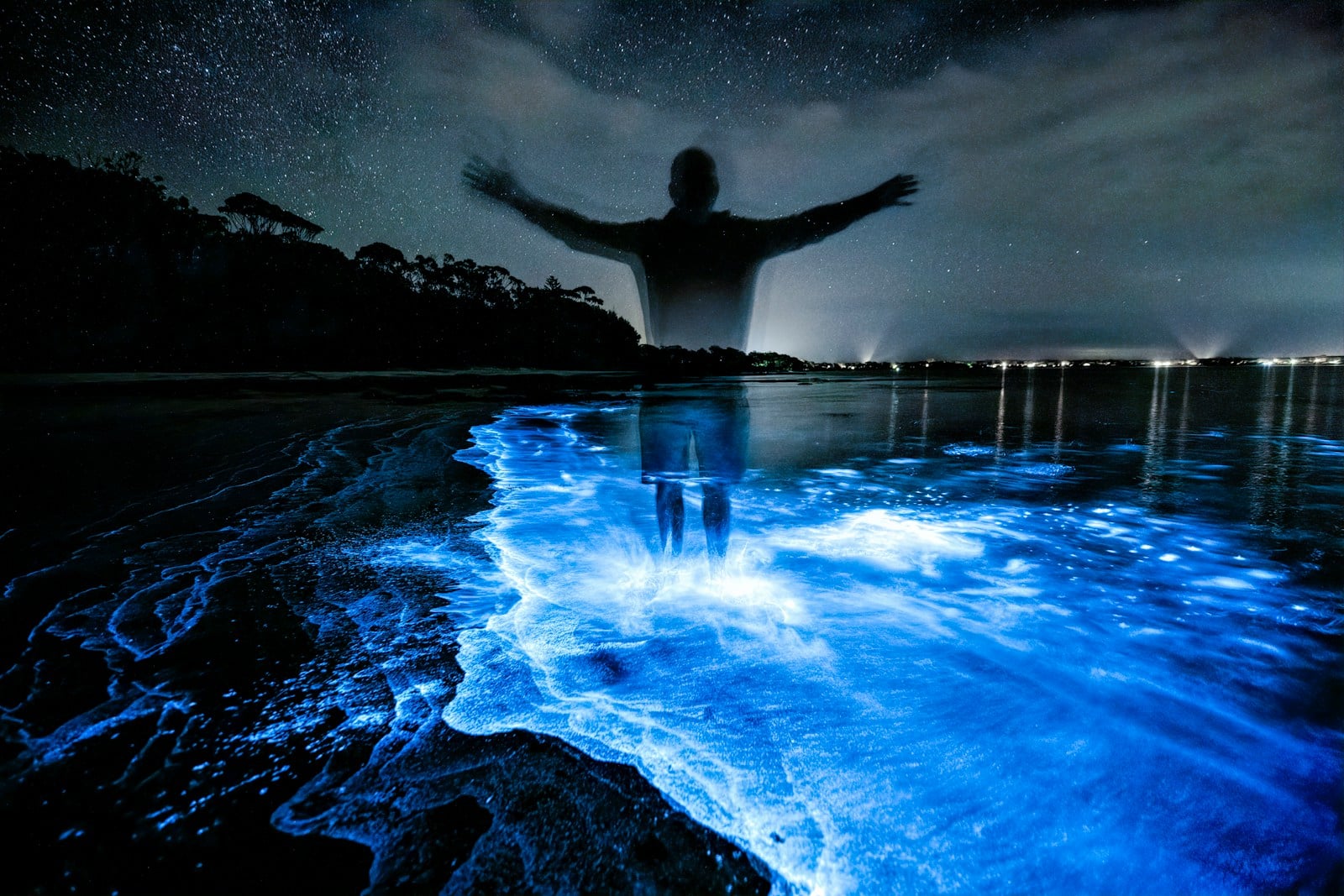
If you’re dreaming of witnessing the surreal glow of glowing waves or sparkling sand, exploring the best places to see bioluminescence should be on your travel bucket list. This phenomenon, caused by organisms like plankton, algae, or fungi, creates an ethereal effect that turns ordinary water or land into a glowing landscape.
Whether you’re kayaking through glowing bays or strolling along a beach that lights up beneath your feet, bioluminescence is one of nature’s most incredible spectacles.
What Causes Bioluminescence?
Bioluminescence results from a chemical reaction involving luciferin (a light-emitting compound) and luciferase (an enzyme), found in organisms such as dinoflagellates, jellyfish, fireflies, and fungi. When disturbed—by waves, movement, or touch—these organisms emit light, creating a glowing effect.
The intensity and frequency of bioluminescence can vary depending on water temperature, salinity, and environmental conditions, making some locations particularly reliable for sightings.
Top 10 Best Places to See Bioluminescence
1. Mosquito Bay, Vieques, Puerto Rico
Recognized as the brightest bioluminescent bay in the world by the Guinness World Records, Mosquito Bay is illuminated by millions of dinoflagellates (Pyrodinium bahamense). The glow here is so intense that every paddle stroke or fish movement leaves a trail of blue-green light.
- Best time to visit: New moon phase between spring and summer.
- Pro tip: Take a guided night kayak tour for the best experience.
2. Toyama Bay, Japan
Toyama Bay offers a rare twist on bioluminescence, as the source comes from firefly squid (Watasenia scintillans), not plankton. These small squids emit a bluish glow that lights up the shoreline during spawning season.
- Best time to visit: March to June.
- Recommended activity: Visit during the early morning hours when squids are closer to shore.
3. Gippsland Lakes, Australia
Located in Victoria, the Gippsland Lakes are home to glowing algal blooms of Noctiluca scintillans, creating breathtaking scenes during the warmer months.
- Best time to visit: Summer, especially after heatwaves or floods.
- Pro tip: Visit in total darkness for the full effect.
4. Luminous Lagoon, Jamaica
This small lagoon near Falmouth is rich in bioluminescent microorganisms. Boat tours offer the opportunity to swim in the glowing waters.
- Best time to visit: Dry season (March to mid-December).
- Activity highlight: Swimming in the glowing water under a dark sky.
5. Halong Bay, Vietnam
Though not as bright as Mosquito Bay, Halong Bay features glowing plankton in more secluded, less-visited areas. Night kayaking offers a magical perspective.
- Best time to visit: Late summer through early autumn.
- Local tip: Choose less crowded islands or join eco-tour groups.
6. San Juan Island, Washington, USA
San Juan Island offers night kayaking tours in protected inlets where bioluminescent plankton thrive, especially in the warmer months.
- Best time to visit: July to September.
- Why it’s unique: Cold water bioluminescence is more subtle but equally enchanting.
7. Maldives
The beaches of Vaadhoo Island are renowned for glowing waves, especially when the Noctiluca scintillans plankton bloom. It’s one of the most Instagrammable bioluminescent spots on earth.
- Best time to visit: Mid-summer through winter.
- Popular for: Romantic beach walks on glowing shores.
8. Manasquan Beach, New Jersey, USA
In some summers, the shores of New Jersey surprise visitors with bioluminescent waves, especially during calm nights.
- Best time to visit: August and September.
- Good to know: Bioluminescence here can be unpredictable but magical when it happens.
9. Big South Fork, Tennessee, USA
Not all bioluminescence is marine. In this forested region, you’ll find glowing fungi, often referred to as “foxfire,” lighting up decaying wood at night.
- Best time to visit: Late summer to fall.
- What makes it special: Rare terrestrial bioluminescence in the U.S.
10. Laguna Grande, Fajardo, Puerto Rico
Another Puerto Rican gem, this bay is slightly less intense than Mosquito Bay but more accessible from San Juan.
- Best time to visit: Between December and May.
- Tours available: Kayak excursions through the mangroves.
Step-by-Step: How to Plan a Trip to See Bioluminescence
- Choose the Right Location
- Decide based on your region, travel time, and seasonality.
- Check the Moon Phase
- Opt for a new moon night or minimal moonlight for better visibility.
- Book a Guided Tour
- Many places restrict independent access to preserve ecosystems.
- Wear Appropriate Clothing
- Quick-dry clothes and water shoes are ideal.
- Bring Minimal Light
- Avoid using bright flashlights or phone lights.
- Respect the Environment
- Do not touch or collect the organisms.
- Capture the Moment
- Use long-exposure photography for the best images.
Quick Comparison Table: Best Places to See Bioluminescence
| Location | Type | Best Season | Activities |
|---|---|---|---|
| Mosquito Bay, PR | Marine (Dinoflagellates) | Spring-Summer | Kayaking |
| Toyama Bay, Japan | Firefly Squid | March–June | Shore viewing |
| Gippsland Lakes, AUS | Algal Bloom | Summer | Kayaking |
| Luminous Lagoon, JAM | Marine Plankton | Dry Season | Boat tours |
| Vaadhoo Island, Maldives | Glowing Beach | Summer-Winter | Beach walking |
Pros and Cons of Bioluminescence Travel
Pros:
- Unique and unforgettable natural experience
- Great for photography
- Many locations offer eco-friendly tours
- Can be combined with other outdoor activities
Cons:
- Highly seasonal and weather-dependent
- Some locations are remote or hard to access
- Light pollution or moonlight can diminish visibility
- Environmental regulations may limit access
Common Mistakes to Avoid When Chasing Bioluminescence
- Traveling During a Full Moon:
Bright moonlight can overpower the bioluminescent glow. - Not Checking Seasonal Conditions:
Some spots only glow during specific months or after specific weather events. - Using Flash Photography:
Not only does it disrupt the experience, but it won’t capture the glow well. - Ignoring Conservation Rules:
Walking or swimming in restricted zones can harm delicate ecosystems. - Expecting Daily Visibility:
Even in top locations, bioluminescence is not guaranteed every night.
FAQs About the Best Places to See Bioluminescence
Q1: Is bioluminescence dangerous to humans?
No, bioluminescence is generally harmless. The organisms involved are not toxic and pose no threat to humans.
Q2: Can I swim in bioluminescent water?
Yes, in some places like the Luminous Lagoon or Maldives beaches, swimming is allowed. Always confirm with tour guides, as some areas are protected.
Q3: How do I photograph bioluminescence?
Use a tripod and a long exposure setting on your camera. Smartphone cameras usually struggle to capture the glow unless they support night photography modes.
Q4: Are bioluminescent beaches open all year round?
Many are open year-round, but glowing activity is often seasonal. It’s best to plan around peak bloom times.
Q5: Can I see bioluminescence without a tour?
Some locations like beaches in the Maldives or New Jersey allow independent visits, but guided tours offer better insight and safety.
Q6: Which bioluminescent spot is the brightest in the world?
Mosquito Bay in Puerto Rico is widely considered the brightest due to its concentration of dinoflagellates.
Additional Resources
For more in-depth information about this phenomenon and conservation practices, you can check resources from:
- Smithsonian Magazine, which covers bioluminescent organisms
- National Geographic, which offers insights into bioluminescent bays
Final Thoughts
Experiencing bioluminescence is one of the few travel adventures that feels otherworldly. By seeking out the best places to see bioluminescence, travelers can witness nature’s magic in full display—whether on a glowing shoreline in the Maldives or a kayak gliding through shimmering waters in Puerto Rico.
To make the most of your trip, plan ahead, respect nature, and choose the right time and place. With the right timing, you’ll be rewarded with a glowing memory that lasts a lifetime.