How to Choose the Best Toenail Clippers for Healthy Feet
Finding the best toenail clippers means looking for a tool that offers surgical-grade sharpness, an ergonomic grip to prevent slipping, and a wide-jaw opening capable of handling even the toughest, thickest nails without crushing them.
Key Takeaways
- Best Overall: Stainless steel nippers or lever-style clippers with straight blades.
- Top Material: Surgical-grade 440C stainless steel for longevity and hygiene.
- Pro Tip: Always cut straight across to avoid the pain of ingrown nails.
Most of us don’t think much about our grooming tools until we are struggling with a pair of dull, flimsy store-bought trimmers that leave our nails jagged or split. Finding the best toenail clippers is more than just a matter of vanity; it is a fundamental part of foot health. When you use high-quality tools, you reduce the risk of infections, fungal growth, and those agonizing ingrown edges that can make every step a chore.
What Makes the Best Toenail Clippers Stand Out?
Not all clippers are created equal. If you have ever tried to use a small set of fingernail clippers on your big toe, you know the frustration of a tool that just isn’t up to the task. The best toenail clippers are specifically engineered with more leverage and wider openings.
Material Quality
The gold standard for any cutting tool is stainless steel. It is rust-resistant, easy to sanitize with a quick wipe of alcohol, and holds an edge far longer than nickel-plated alternatives. According to experts at The Strategist, investing in high-quality steel ensures that the blades slice through the nail rather than crushing the layers, which prevents delamination and brittle edges.
Blade Shape
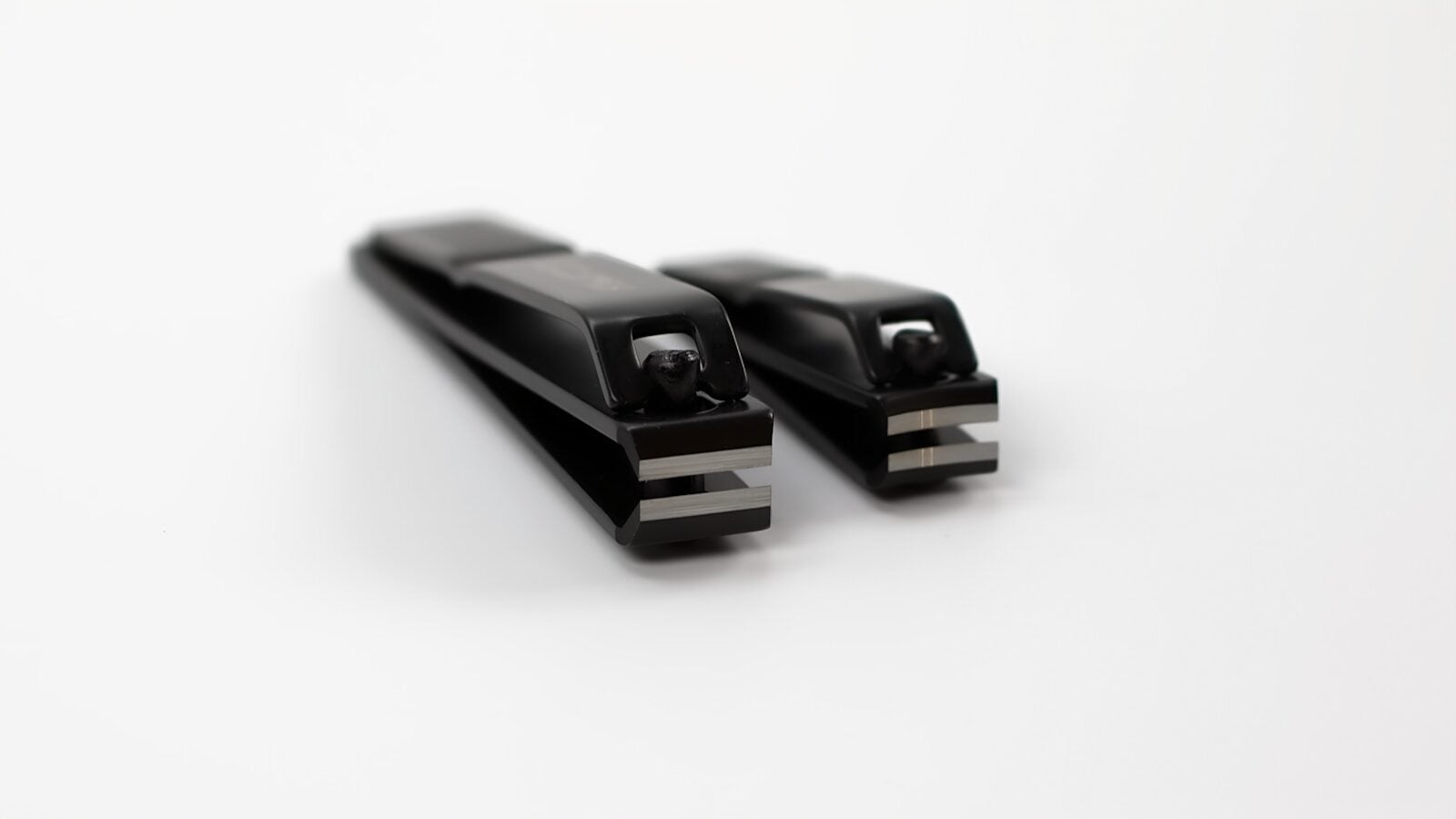
While curved blades are popular for fingernails to mimic the natural arc of the fingertip, the best toenail clippers often feature a straight or nearly straight edge. Podiatrists generally recommend straight-edge clippers because they encourage a straight-across cut. This is the single most effective way to prevent the corners of your nails from growing into the surrounding skin.
Quick Comparison of Top Models
| Clipper Type | Best For | Key Feature |
| Lever-Action | Standard use | Familiar design, easy to store |
| Nipper-Style | Thick or fungal nails | High leverage, surgical precision |
| Long-Handle | Limited mobility | No bending required, easy reach |
| Rotary-Head | Hard-to-reach angles | 360-degree swivel for better vision |
Top Picks for the Best Toenail Clippers
- Seki Edge SS-107: Often cited as a masterpiece of Japanese engineering, these provide a smooth, effortless clip.
- Kohm CP-120L: This heavy-duty model is a lifesaver for those with exceptionally thick nails, featuring a 4mm wide jaw.
- Harperton Nippit: A nipper-style tool that gives you the control of a professional podiatrist at home.
- Tweezerman Deluxe: A reliable, widely available option that stays sharp for years and feels solid in the hand.
- Clipperpro Omega: Designed by orthopedic surgeons, this tool uses a unique handle design that requires very little hand strength.
How to Choose the Best Toenail Clippers for Your Needs
Selecting the right tool depends entirely on your specific foot health and physical ability. If you have full mobility and standard nail thickness, a high-end lever clipper like those from Germanikure will likely last you a lifetime. However, if you are dealing with age-related thickening or arthritis, your needs will shift toward specialized designs.
Handling Thick Nails
As we age, or due to certain conditions, toenails can become quite hard. In these cases, the best toenail clippers are nipper-style tools. These look a bit like small pliers and allow you to use your whole hand to apply pressure rather than just your thumb and forefinger. This extra leverage makes a massive difference in how clean the cut feels.
Ergonomics and Grip
If you have ever had a clipper slip out of your hand mid-cut, you know how dangerous that can be. Look for handles with a “brushed” finish or rubberized grips. Some of the best toenail clippers now feature ergonomic “large-handle” designs that fit comfortably in the palm, reducing the strain on your joints.
Common Mistakes and Practical Examples
Even with the best toenail clippers in your bathroom cabinet, technique matters. Here are a few things to keep in mind:
- Mistake: Clipping nails while they are wet. While it seems easier because they are softer, wet nails are prone to tearing. It is usually better to clip them dry for a cleaner, smoother edge.
- Mistake: Cutting too short. You should always leave a tiny bit of the “white” part of the nail. Cutting down to the quick increases the risk of infection and ingrowns.
- Example: Imagine you are using a nipper-style clipper on a thick big toe. Instead of trying to clip the whole nail in one go, take 3–4 small “nips” across the top. This prevents the nail from cracking under the pressure of the blades.
Steps for a Professional-Grade Home Pedicure
- Sanitize Your Tools: Before you start, wipe your clippers down with 70% isopropyl alcohol.
- Position Yourself: Sit in a well-lit area where you can easily reach your feet without straining your back.
- The First Cut: Start at the outer edge of the nail and make a small, straight cut.
- Follow Through: Continue making small cuts across the nail until you reach the other side. Do not round the corners.
- File the Edges: Use an emery board to gently smooth out any sharp points, moving the file in only one direction.
- Moisturize: Apply a foot cream to keep the skin and the nails hydrated.
Pros and Cons of Different Clipper Styles
Lever-Action Clippers
- Pros: Compact, inexpensive, very easy to find.
- Cons: Limited jaw opening, can be difficult for people with hand weakness.
Podiatrist Nippers
- Pros: Incredible power, handles the thickest nails, very durable.
- Cons: Can look intimidating, takes up more space in a grooming kit.
Rotary/Swivel Clippers
- Pros: Great for people who have trouble reaching their feet at a straight angle.
- Cons: The swivel mechanism can sometimes feel less stable than a fixed blade.
FAQ about Toenail Maintenance
How often should I replace my toenail clippers?
If you buy a high-quality pair made of surgical steel, you may never need to replace them. However, if you notice the blades are starting to “crunch” the nail rather than slicing it, or if you see any signs of rust, it is time for a new pair.
Can I share my clippers with family members?
It is best not to share. Fungal infections are highly contagious and can easily live on the metal surfaces of grooming tools. If you must share, ensure they are thoroughly sterilized between every single use.
What is the best way to clean my clippers?
A simple soak in warm soapy water followed by a wipe-down with rubbing alcohol is sufficient for home use. Make sure they are completely dry before storing them to prevent any potential corrosion.
Are expensive clippers really worth it?
In the world of grooming, you usually get what you pay for. A $20 pair of Japanese or German steel clippers will stay sharp for a decade, whereas a $2 drug-store pair will likely dull and end up in the trash within a year.
Should I use a straight or curved blade for the best toenail clippers?
For toenails, straight blades are almost always superior. They help you maintain the straight-across shape that prevents ingrown nails, which is the most common foot complaint related to trimming.
What should I do if my nails are too thick for standard clippers?
If a standard wide-jaw clipper cannot handle the thickness, you should look into professional nippers or, better yet, consult a podiatrist. Extremely thick nails can sometimes be a sign of an underlying fungal issue that needs medical attention.
Selecting the best toenail clippers is an investment in your daily comfort. By choosing a tool that fits your grip, uses high-quality materials, and allows for a safe, straight cut, you are setting yourself up for better foot health for years to come.