What is a Light Roast Coffee?
Key Takeaways: Light roast coffee is made from beans roasted for the shortest duration at lower temperatures, typically reaching 180°C to 205°C. This process preserves the bean’s original origin flavors, resulting in a tea-like body, high acidity, and vibrant notes of fruit, citrus, or florals.
If you’ve ever walked into a specialty cafe and noticed beans that look more like toasted tan peanuts than dark chocolate, you’ve likely encountered what is a light roast coffee. While the dark, oily roasts have dominated the “traditional” coffee scene for decades, the Third Wave coffee movement has brought light roasts into the spotlight. This style of roasting is all about transparency—it’s less about the flavor of the fire and more about the flavor of the soil, the altitude, and the variety of the coffee cherry itself.
The Science Behind the Light Roast
To understand the profile of a light roast, we have to look at what happens inside the drum of a coffee roaster. Coffee beans are actually the seeds of a fruit. When they are harvested, they are green and smell a bit like grass or hay.
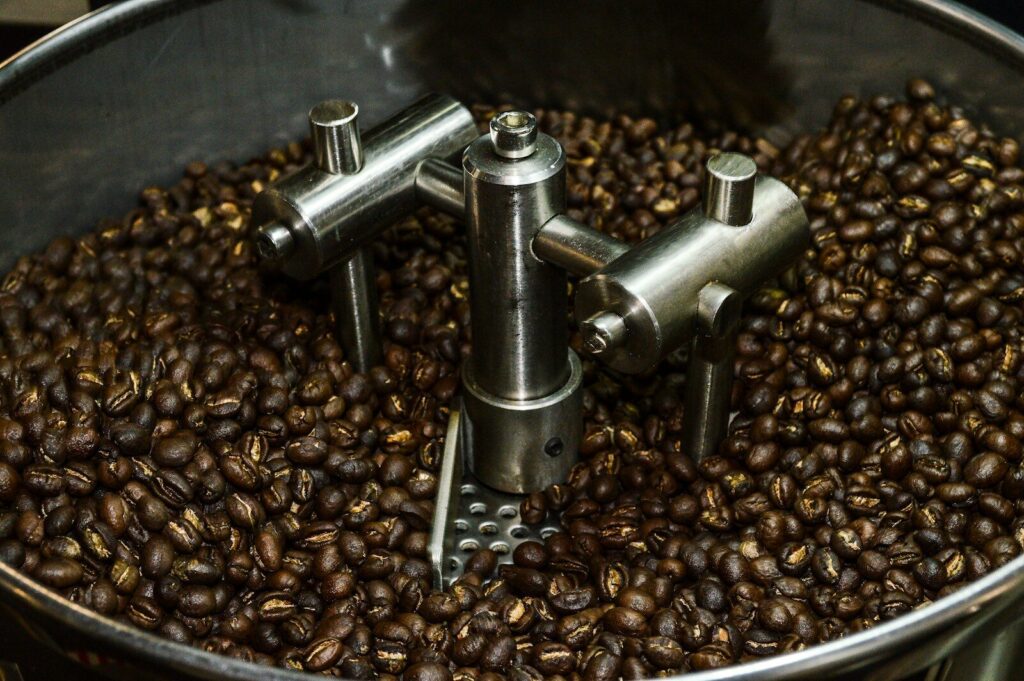
Roasting is the process of applying heat to transform those green seeds into the aromatic brown beans we grind and brew. Light roasts are pulled from the roaster shortly after the “first crack.” This is a literal popping sound—much like popcorn—that occurs when the internal moisture of the bean evaporates and creates enough pressure to break the cell wall.
Because the beans spend less time under intense heat, the chemical compounds responsible for unique flavors remain intact. According to the National Coffee Association, light roasts generally reach an internal temperature of about 350°F – 400°F. At this stage, the beans are matte and dry because the oils haven’t been forced to the surface by prolonged heat.
Identifying What is a Light Roast Coffee by Sight and Taste
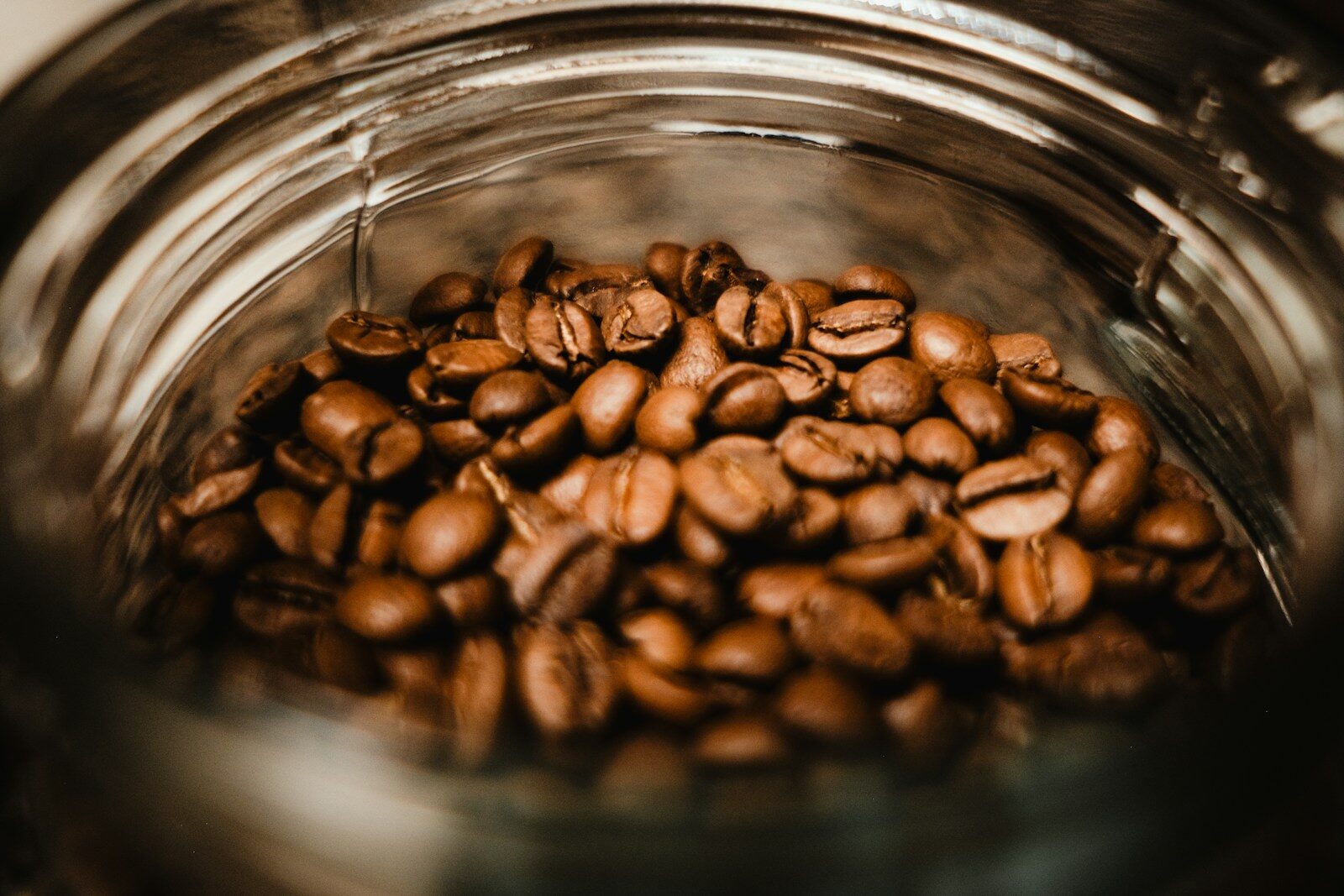
You can usually spot a light roast just by looking at it. The beans are a pale, cinnamon-brown color. They are also denser and harder than darker roasts because they haven’t lost as much mass or moisture during the roasting process.
When it comes to the palate, expect a “bright” experience. In coffee terminology, brightness refers to acidity. This isn’t the kind of acidity that hurts your stomach; it’s the pleasant, tangy sensation you get from a crisp apple or a squeeze of lemon. You’ll often find flavor notes like:
- Hibiscus or jasmine florals
- Blueberry, raspberry, or stone fruit
- Citrus zest or lemongrass
- Honey or toasted grains
The Caffeine Myth: Light vs. Dark
There is a long-standing debate about which roast level packs the most punch. Many people assume dark roast is stronger because it tastes “bolder.” However, if we look at caffeine content, the answer depends on how you measure your coffee.
- By Volume: If you use a scoop to measure your coffee, light roast usually has more caffeine. This is because light roast beans are denser and smaller; you fit more actual coffee material into the scoop.
- By Weight: If you use a scale (which most pros recommend), the caffeine content is virtually identical.
Caffeine is remarkably stable during the roasting process. It doesn’t simply “burn off” in dark roasts. So, if you’re looking for an extra jolt, choosing a light roast is a great bet, especially if you measure by the spoonful.
Pros and Cons of Light Roast Coffee
While many enthusiasts swear by the complexity of a light roast, it isn’t for everyone. Here is a quick breakdown of what to expect.
Pros
- Unique Flavor Profiles: You get to taste the “terroir”—the specific characteristics of the region where the coffee was grown.
- High Antioxidants: Studies suggest that lighter roasts may retain higher levels of chlorogenic acid, a powerful antioxidant.
- Complexity: The flavors are often layered and evolve as the cup cools down.
Cons
- High Acidity: If you prefer a low-acid diet or dislike “sour” notes, this may be jarring.
- Thin Body: It feels more like tea in the mouth rather than the heavy, creamy texture of a dark roast.
- Harder to Brew: Because the beans are dense, they require more precision in brewing to extract the flavor properly.
Quick Comparison: Light Roast vs. Medium vs. Dark
| Feature | Light Roast | Medium Roast | Dark Roast |
| Color | Light brown / Tan | Medium brown | Dark brown / Black |
| Surface | Dry / Matte | Mostly dry | Oily / Shiny |
| Acidity | High / Bright | Balanced | Low / Muted |
| Body | Light / Tea-like | Medium / Smooth | Heavy / Syrupy |
| Dominant Flavor | Fruit, Floral, Grain | Caramel, Nut, Chocolate | Smoke, Spice, Char |
How to Brew the Perfect Light Roast
Because light roast beans are so dense, they are “stingy” with their flavor. You have to work a little harder to pull those delicious notes out. If you treat a light roast like a dark roast, you might end up with a cup that tastes thin or overly sour.
The Steps to Success
- Use a Burr Grinder: Consistency is key. You want a uniform grind to ensure even extraction.
- Go Finer: If your coffee tastes too sour or “grassy,” try grinding your beans a bit finer. This increases the surface area and helps the water pull out more sweetness.
- Check Your Water Temp: While dark roasts thrive at lower temperatures (around 195°F), light roasts need hotter water to break down those dense cells. Aim for 94°C to 96°C (202°F to 205°F).
- Try a Pour-Over: Methods like the Hario V60 or Chemex are perfect for light roasts. The paper filters trap oils and sediment, resulting in a clean cup that highlights the delicate floral and fruity notes.
Common Mistakes to Avoid
A frequent error is using a “set it and forget it” blade grinder. These create “fines” (dust) and “boulders” (huge chunks). The dust over-extracts and tastes bitter, while the chunks under-extract and taste sour. The result is a muddy, confusing cup of coffee.
Another mistake is using tap water with a high mineral content. Light roast flavors are delicate. If your water tastes like chlorine or heavy minerals, it will mask the subtle peach or jasmine notes you paid for. Using filtered water can make a world of difference.
Real-World Examples of Light Roasts
If you are looking to buy your first bag, look for labels that mention “Washed Process” and specific regions. According to The Specialty Coffee Association (SCA), beans from Ethiopia and Kenya are world-renowned for their performance as light roasts.
- Ethiopian Yirgacheffe: Often tastes like lemon tea and jasmine.
- Kenyan AA: Known for a “big” acidity that reminds people of blackcurrants or grapefruit.
- Panamanian Geisha: One of the most expensive and sought-after light roasts, famous for its intense floral aroma.
Wrapping Up the Experience
Understanding what is a light roast coffee opens up a whole new world of sensory experiences. It’s a departure from the “comfort food” style of chocolatey, smoky coffee and an entry into something more akin to fine wine or artisanal tea. While it might take a few cups to adjust to the higher acidity, the reward is a vibrant, refreshing drink that tells a story of a specific farm on the other side of the planet.
FAQ
Is light roast coffee more acidic?
Yes, in terms of flavor perception. It retains the natural organic acids found in the coffee cherry. However, the actual pH difference between light and dark roast is relatively small.
Does light roast have more antioxidants?
Generally, yes. Light roasts are processed for a shorter time, which preserves more of the polyphenols and antioxidants like chlorogenic acid that are naturally present in green coffee.
Can I use light roast for espresso?
You can, but it is challenging. Light roast espresso (often called “Modern Espresso”) requires a high-quality grinder and precise temperature control to avoid a sour, salty taste.
Why does my light roast taste like grass?
This usually means the coffee is under-developed (under-roasted) or under-extracted during brewing. Try using hotter water or a finer grind size to bring out the sweetness.
Should I add milk to light roast coffee?
Most purists drink it black to enjoy the subtle notes. Because light roast is more acidic and has a thinner body, milk can sometimes make the coffee taste “curdled” or simply drown out the delicate flavors.