How to Create a Sacred Space for Small Group Meditation Sessions
Meditation has become a go-to option for many who want to be proactive with their well-being. Today, many individuals worldwide practice yoga and meditation for their health benefits.
A population-weighted US study found steady growth in complementary mind-body practices. Between 2002 and 2022, meditation use rose to 18.3%, yoga to 16.8%, and guided imagery or progressive relaxation to 6.7%. The increase was observed across most demographic and health groups.
While some people do meditation alone, many like to do it in groups. A small group meditation session depends heavily on the environment in which it takes place.
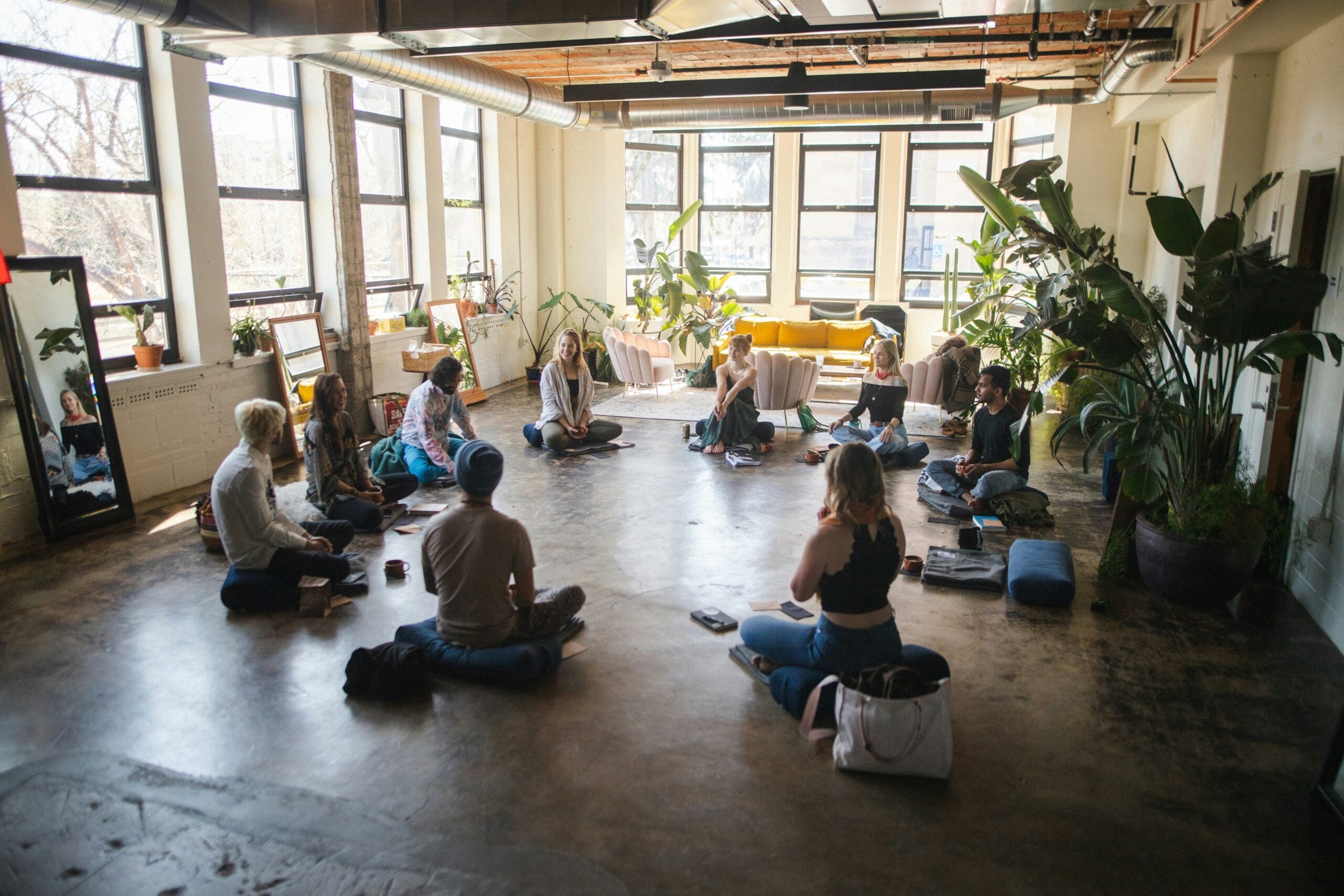
Even a simple room can feel grounding when the atmosphere is intentional, calm, and free from unnecessary stimulation. The goal is not perfection but creating conditions that support presence, focus, and shared stillness. When people step into such a space, they should feel a subtle shift away from daily distractions and toward inner awareness.
Understanding Why Environment Matters
The most common benefit associated with mindfulness meditation is relaxation. However, research shows that its benefits extend far beyond that. It has been linked to improvements in emotional regulation, focus, memory, empathy, and stress reduction.
Besides the mental and emotional benefits, it also supports physical health factors such as sleep quality, blood pressure, and immune response. Regular practice is associated with changes in brain activity and structure that support attention control and emotional balance.
While there are many benefits, they are all closely tied to consistency and setting. In fact, space and the atmosphere within it become part of the practice. Therefore, many people even like to practice meditation in nature. A well-prepared environment does not just support relaxation; it reinforces the mental state participants are trying to develop during meditation.
Can meditation still be effective in a distracting or noisy environment?
Meditation can still be practiced in less-than-ideal environments, but the depth of focus is often reduced. External noise and visual distractions may make it harder for beginners to maintain attention. Over time, experienced practitioners may adapt, but a stable environment generally allows for more consistent and deeper results.
Choosing a Location With Intentional Energy
Location plays a major role in shaping the experience before the session even begins. Consider busy urban areas like SoHo in New York, where constant activity surrounds daily life. In 2025, a study declared that New York was the most stressed city in the world.
The study, covering over 170 cities globally, concluded that New York had a stress score of 7.56 out of 10. If hosting sessions at home in such a bustling city is not always possible, hosts can consider a SoHo event space rental.
According to The Farm Soho, many space rental providers also offer equipment, furniture, and customization based on event requirements. This kind of space allows complete customization, which is especially helpful when designing a setting meant for reflection and calm.
A setting with intentional energy is not defined only by its walls or design. How it feels when someone enters it also plays a significant role. Natural light, reduced visual clutter, and a sense of openness all contribute to a smoother transition into stillness.
What should facilitators look for when selecting a meditation venue in a busy city?
In a busy city, facilitators should prioritize spaces that reduce sensory overload. This can include locations with controlled lighting, limited outside noise, and simple interiors. Accessibility is also important, so participants can arrive without stress. The goal is to find a place that feels separated from daily urban intensity while still being easy to reach.
Designing for Presence and Emotional Reset
Mindfulness is not only about relaxation; it also strengthens awareness of thoughts, emotions, and physical sensations in the present moment. This practice can improve emotional resilience and help individuals respond to stress with greater stability rather than reaction.
A sacred space should support this kind of awareness. The environment should gently signal that slowing down is expected and supported here.
The physical environment can either support or interrupt this shift in awareness. Subtle cues and a clear entry point help signal to the mind that it is moving away from external demands.
When the space feels organized and calm, participants often find it easier to settle into their breath and bodily sensations. This gradual easing into stillness allows the group to align more naturally with the practice. This makes the experience feel less like an activity and more like a shared pause from everyday mental noise.
Sound and Its Role in Deepening Focus
Many meditation practices use breath awareness or ambient audio to help participants maintain focus. This is especially true when external silence is difficult to achieve.
Some guided approaches incorporate carefully chosen music or sound-based practices to help shift attention away from mental noise. Techniques like sound or music meditation use auditory cues to support relaxation and focus. It allows participants to sink into a calmer internal state without effortful concentration.
Music meditation is commonly used in guided meditation. Research and expert explanations indicate that music can positively influence emotional well-being by reducing stress and anxiety. This helps improve mood and even supports better sleep and cognitive function.
However, the effectiveness depends on personal preference, since music can either enhance focus or become distracting. Therefore, it is important to use it thoughtfully so that it becomes a bridge into stillness.
Is silence always better than sound during meditation sessions?
Silence is not always more effective than sound. For some people, complete silence can make small noises more noticeable and distracting. Gentle background sounds or guided audio can provide a steady focus point, helping participants maintain attention. The choice depends on group preference, experience level, and the purpose of the session.
Creating a sacred space for small group meditation is less about decoration and more about intention. Every element, from location choice to sound, layout, and group structure, contributes to how easily participants can shift into a mindful state.
When designed thoughtfully, even a simple room can feel like a pause from the outside world. This would allow people to reconnect with themselves and with shared stillness.