
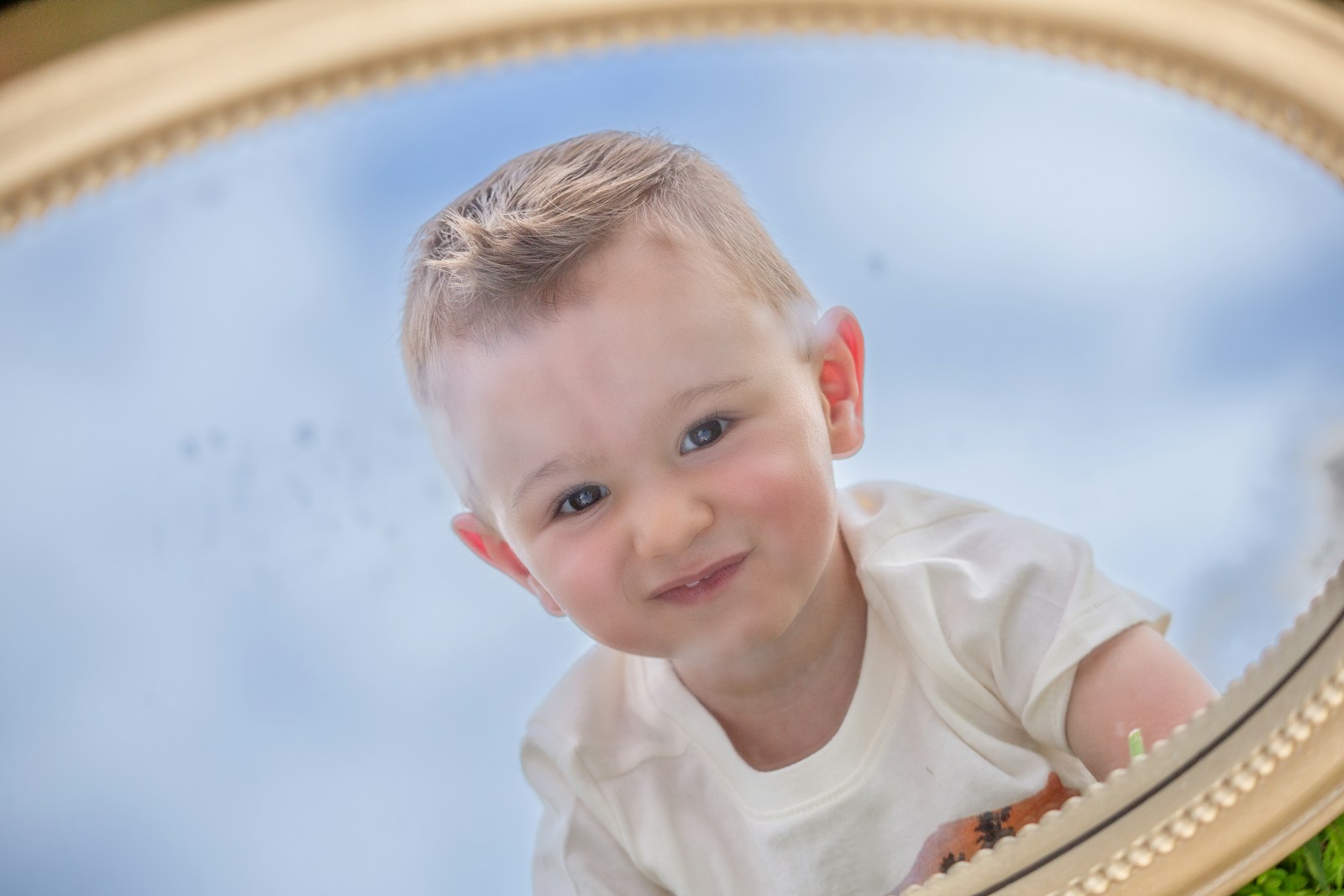
Understanding the Sensorimotor Stage in Early Childhood Development
Introduction to the Sensorimotor Stage
The sensorimotor stage is the first of four stages in Jean Piaget’s theory of cognitive development. Beginning at birth and lasting until around two years of age, this stage is foundational in helping infants build an understanding of the world through their senses and motor actions. During this crucial period, children start to make sense of their environment by seeing, touching, moving, and exploring.
Infants in the sensorimotor stage rely entirely on physical interaction with their surroundings to develop cognitive abilities. This early period of mental development is marked by rapid growth, where reflexes transform into purposeful movements and behaviors. The stage is not only significant for the child’s brain development but also essential for emotional and social learning.
Piaget’s Theory and the Role of the Sensorimotor Stage
Jean Piaget, a renowned Swiss psychologist, developed a stage-based theory of cognitive development. According to Piaget, the sensorimotor stage is the first step in a child’s journey toward logical thinking. He proposed that children are not born with fully developed cognitive structures. Instead, they build knowledge progressively through active exploration.
In the sensorimotor stage, knowledge develops as a direct result of sensory experiences and physical activity. Rather than acquiring language or reasoning at this stage, infants learn through trial and error, reflexes, and the gradual coordination of actions.
The Six Substages of the Sensorimotor Stage
Piaget divided the sensorimotor stage into six distinct substages, each demonstrating a child’s progression toward more complex thought and behavior. Let’s take a closer look at each of these substages.
1. Reflexive Schemes (Birth to 1 Month)
In this earliest phase, infants are governed by innate reflexes such as sucking, grasping, and looking. These reflexes help them survive and begin interacting with the environment. The child is not yet intentional in their actions but simply responds to stimuli.
2. Primary Circular Reactions (1 to 4 Months)
Here, babies start repeating pleasurable actions centered on their own bodies. For example, a child may accidentally suck their thumb and find comfort in it. This leads to repeating the action deliberately. These responses are known as circular reactions because they are repeated over and over.
3. Secondary Circular Reactions (4 to 8 Months)
During this phase, infants begin to interact with objects outside of themselves. They repeat actions that produce interesting outcomes, such as shaking a rattle or banging a spoon. Their behavior becomes more intentional as they explore cause and effect.
4. Coordination of Secondary Circular Reactions (8 to 12 Months)
This stage marks the beginning of goal-directed behavior. Infants start combining previously learned schemes to solve simple problems. For instance, they may move a blanket to reach a hidden toy. This is a clear sign of cognitive advancement.
5. Tertiary Circular Reactions (12 to 18 Months)
Now toddlers become little scientists. They experiment with their actions to observe outcomes. A child might drop a toy repeatedly to see how it falls differently from various heights. This substage fosters problem-solving and exploration.
6. Mental Representation (18 to 24 Months)
At this final phase of the sensorimotor stage, children begin developing symbolic thought. They can form internal images of objects and use them in imaginative ways. Deferred imitation and pretend play also emerge, showing the ability to mentally represent past events.
Key Characteristics of the Sensorimotor Stage
Understanding the sensorimotor stage involves recognizing several key traits that define infant learning and growth. These characteristics offer insights into how children begin constructing a foundation for all future cognitive development.

Object Permanence
One of the most significant milestones of this stage is the development of object permanence. This is the understanding that objects continue to exist even when they are not visible. Before this realization, if a toy is hidden from sight, the baby assumes it no longer exists. Gaining this awareness is critical to memory and reasoning.
Goal-Directed Behavior
As infants develop cognitively, they begin performing actions with a specific purpose in mind. This behavior is a departure from simple reflexes and shows the start of intentionality and planning.
Symbolic Thought
Though still limited, children at the end of the sensorimotor stage begin using symbols. For example, they might use a stick as a pretend spoon or imitate actions they saw earlier. Symbolic thought is a precursor to language development and abstract thinking.
Imitation and Play
Imitation becomes more accurate and deliberate as the child progresses through the stage. Play also becomes more complex, moving from simple exploration to intentional mimicry of real-life activities. These behaviors contribute to social and emotional growth.
Importance of the Sensorimotor Stage in Development
The sensorimotor stage is vital because it sets the groundwork for all future cognitive and behavioral development. Children build trust, learn coordination, and start understanding basic cause-and-effect relationships. Without a strong foundation in this phase, later learning may be delayed or impaired.
Moreover, caregivers play a significant role in supporting a child during this time. By providing a safe and stimulating environment, parents and educators can help infants explore their surroundings and strengthen neural connections. Simple activities like peek-a-boo, stacking blocks, or offering various textures can foster rich learning experiences.
Common Milestones in the Sensorimotor Stage
Tracking developmental milestones is essential for understanding a child’s growth within the sensorimotor stage. Although each child develops at their own pace, certain behaviors are commonly observed during this period:
- Smiling and responding to familiar faces
- Reaching and grasping objects
- Rolling over, sitting, crawling, and standing
- Exploring objects by mouthing and shaking them
- Pointing to indicate desire
- Expressing emotions like joy, frustration, or surprise
- Using gestures like waving or clapping
- Beginning to use simple words or sounds
These milestones signal healthy brain development and growing cognitive abilities. Parents should monitor progress but avoid comparisons, as development varies widely among infants.
Sensorimotor Activities to Encourage Growth
Engaging infants in sensorimotor activities can greatly enhance their learning during this stage. Here are some practical ways to support development:
Tactile Play
Allowing babies to touch different textures helps refine their sense of touch. Materials like soft cloths, crinkly paper, or bumpy balls offer varied sensory input.
Visual Stimulation
High-contrast images and brightly colored toys attract an infant’s attention and aid visual tracking skills. Mobiles or picture books are great tools.
Auditory Stimulation
Talking, singing, and playing music introduces babies to new sounds and rhythms. Rattles and musical toys also promote auditory learning.
Movement Exploration
Giving children time on their stomach (tummy time) strengthens muscles and supports motor development. As they grow, encourage crawling, standing, and walking with supervision.
Cause-and-Effect Toys
Toys that light up, make noise, or move when pressed teach children about action and reaction. These toys are ideal during the middle substages.
Challenges During the Sensorimotor Stage
While most children navigate this stage smoothly, some may face delays or challenges. Issues like sensory processing difficulties or delayed motor skills might require early intervention. Warning signs include lack of response to stimuli, minimal eye contact, or little interest in exploring surroundings.
Early assessment and therapy can support children facing developmental delays. Pediatricians often recommend occupational or physical therapy, depending on the specific needs.
It’s essential to approach challenges with patience and understanding. Providing consistent stimulation and support can make a significant difference in helping a child reach their potential.
Sensorimotor Stage vs Other Stages of Development
Comparing the sensorimotor stage to later stages in Piaget’s theory highlights the uniqueness of this early phase. Unlike the preoperational or concrete operational stages, the sensorimotor stage is rooted entirely in physical and sensory experiences. Language and logical reasoning are still undeveloped, and learning happens through interaction rather than internal reflection.
Despite its simplicity, this stage is incredibly powerful. It prepares the brain for more complex forms of thought and builds the neural architecture necessary for later development.
Final Thoughts on the Sensorimotor Stage
The sensorimotor stage is a remarkable time of growth and discovery in a child’s life. Though it lasts only the first two years, it has lasting effects on how children perceive, learn, and interact with the world. Through movement, exploration, and sensory experiences, infants develop the cognitive structures that will support all future learning.
Understanding this stage not only helps parents and educators provide better support but also deepens appreciation for the complexity of early development. Encouraging exploration, offering rich experiences, and observing milestones with care are key to nurturing a child’s potential from the very beginning.