
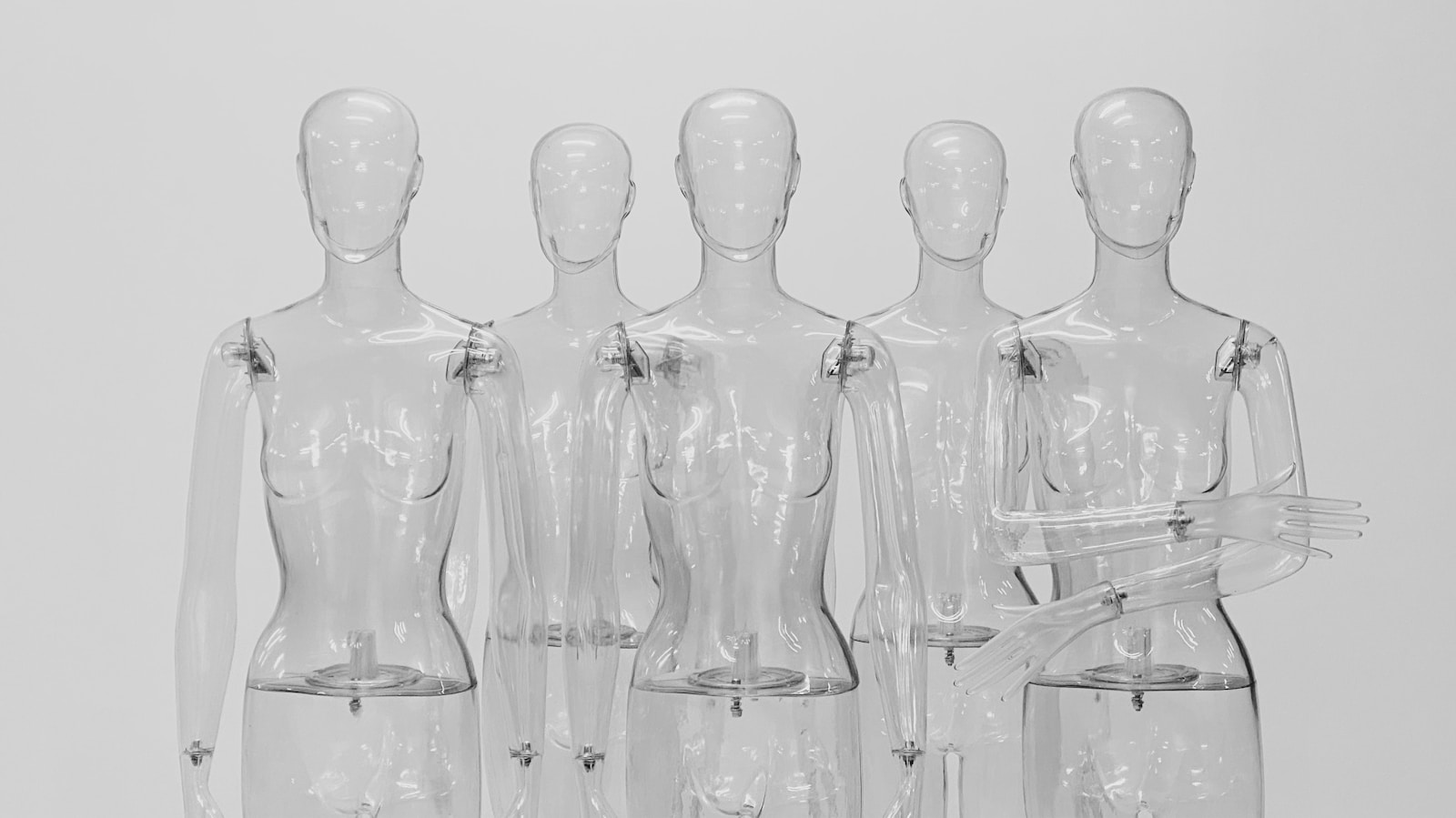
Understanding Automatonophobia – Why We Fear the Almost Human
What Is Automatonophobia?
Automatonophobia is the fear of humanoid figures such as dolls, mannequins, wax statues, and animatronic creatures. For those who suffer from it, simply walking past a store mannequin or seeing a realistic puppet can cause intense anxiety or panic. This specific phobia is rooted in the fear of things that appear human but are not quite alive, often falling into what is known as the “uncanny valley.”
While the term may sound niche, automatonophobia is more common than most people realize. It taps into deep psychological discomfort related to distorted human likeness. For some, the fear is minor and only mildly unsettling. For others, it can significantly impact daily life and limit their ability to engage with environments such as museums, amusement parks, or certain retail spaces.
The Psychology Behind Automatonophobia
To understand automatonophobia, it’s essential to explore the psychological mechanisms that cause such fear. At its core, this phobia often emerges from a disconnect in perception. When a humanoid figure looks almost real but isn’t, it creates confusion in the brain. Our minds are programmed to identify people quickly, but when something doesn’t quite fit the pattern—like a wax statue with lifelike eyes but no motion—it can be deeply unsettling.
This phenomenon is often tied to the concept of the “uncanny valley,” a term coined in robotics and artificial intelligence fields. The uncanny valley refers to the eerie sensation people feel when a robot or figure appears nearly human but has subtle differences that disturb our natural sense of recognition.
Additionally, past experiences or trauma can trigger automatonophobia. A person who was frightened by a puppet show or a creepy doll during childhood may develop lasting anxiety that resurfaces in adulthood. Pop culture, horror films, and folklore also play a role, as they often portray dolls or statues as haunted or malevolent.
Common Triggers of Automatonophobia
People with automatonophobia often find themselves avoiding specific objects or places. Here are some of the most common triggers:
- Mannequins: Department stores often display mannequins dressed in clothing, but for someone with this phobia, these inanimate models can appear ominous and threatening.
- Dolls: Particularly porcelain dolls or life-sized ones, which are frequently used in horror media and known for their lifelike appearance.
- Wax Figures: Museums with wax statues that mimic celebrities or historical figures can be overwhelming due to their hyperrealistic features.
- Animatronics: Amusement parks with moving, human-like robots or themed attractions can cause intense fear responses.
- Statues or Sculptures: Religious or historical monuments that portray human shapes can also provoke anxiety.
Even digital representations—such as hyper-realistic avatars in virtual reality—can be triggering for individuals with severe automatonophobia.
Physical and Emotional Symptoms
Automatonophobia isn’t just a casual discomfort. It can produce real, measurable physical and psychological responses. When confronted with a trigger, individuals may experience:
- Rapid heartbeat or palpitations
- Sweating and trembling
- Shortness of breath
- Nausea or dizziness
- Feeling a loss of control or impending doom
- The urge to flee the situation immediately
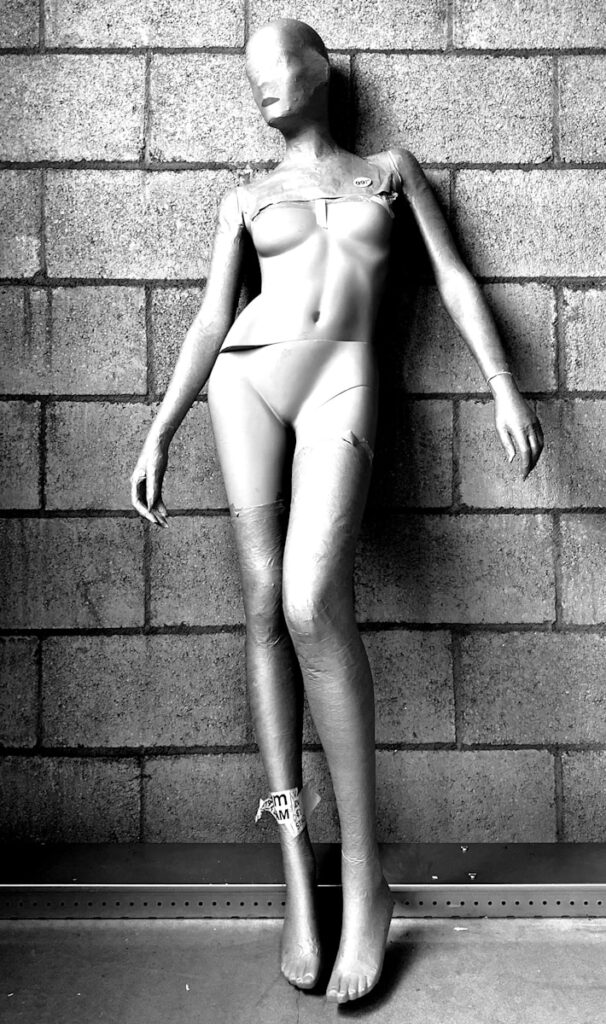
Emotionally, people might feel embarrassment, helplessness, or shame for being afraid of something others find harmless. These reactions are not exaggerated—they are genuine responses from the brain’s fear center, particularly the amygdala, which processes threats.
Automatonophobia and the Uncanny Valley
The uncanny valley plays a significant role in this specific phobia. The theory suggests that when something is almost human but slightly “off,” it causes cognitive dissonance. Our brains can’t fully categorize the figure as either human or non-human, leading to discomfort and fear.
This unease has evolutionary roots. Some researchers speculate that this reaction may be a survival mechanism—our ancestors may have needed to quickly identify sick or deceased individuals to avoid infection or danger. When an object mimics a human but doesn’t behave as one should, it may subconsciously signal a threat.
Robots, CGI characters, and synthetic voices continue to evolve, which means automatonophobia may become more relevant as technology advances. The integration of lifelike humanoids into society—such as AI-driven robots in customer service or healthcare—could challenge individuals with this phobia in unexpected ways.
Causes and Risk Factors
No single cause explains automatonophobia, but several factors may contribute to its development:
- Childhood Trauma: Early experiences involving fear or discomfort around humanoid figures can lead to long-term phobic responses.
- Genetics and Brain Chemistry: Individuals with a family history of anxiety or phobias may be more prone to developing this specific fear.
- Media Influence: Movies like Child’s Play, Annabelle, or TV shows featuring sinister mannequins can embed frightening imagery into one’s memory.
- Neurological Sensitivity: Some people are more visually or emotionally sensitive, which can intensify their reaction to uncanny objects.
It’s important to remember that phobias often develop gradually. What begins as minor unease might escalate into full-blown avoidance behavior over time.
Diagnosis of Automatonophobia
If someone’s fear interferes with daily life, a mental health professional can provide a diagnosis. Diagnosis typically involves:
- A clinical interview to discuss symptoms, triggers, and history
- Psychological questionnaires that assess the severity of the fear
- Ruling out other conditions like generalized anxiety disorder or PTSD
There is no blood test or scan for automatonophobia—it is identified through patterns of behavior and emotional response.
Treatment Options
The good news is that automatonophobia is treatable. With professional guidance, many people see substantial improvement in their symptoms. Treatment approaches include:
1. Cognitive Behavioral Therapy (CBT)
CBT is the most widely used treatment for specific phobias. It helps individuals identify and reframe negative thought patterns and gradually face their fears through exposure therapy. Over time, the fear response weakens as the brain re-learns that these figures are not threats.
2. Exposure Therapy
This involves controlled exposure to the phobic stimulus in a safe environment. The process starts with images or descriptions, then gradually escalates to real-life encounters. This desensitization technique can retrain the brain’s fear response.
3. Medication
While not a cure, anti-anxiety medications or beta-blockers can help manage symptoms in short-term situations, such as museum visits or events. Medication is typically used alongside therapy.
4. Mindfulness and Relaxation Techniques
Breathing exercises, meditation, and progressive muscle relaxation can help individuals manage acute symptoms when encountering a trigger.
5. Virtual Reality Therapy
Some therapists use VR to simulate exposure scenarios in a controlled digital environment. It’s a modern tool that’s particularly useful for automatonophobia because it can mimic uncanny humanoid visuals without real-world consequences.
Living with Automatonophobia
Managing this fear requires awareness, coping strategies, and, often, support. Here are some tips for living with automatonophobia:
- Create Safe Boundaries: Avoid known triggers when possible, especially when you’re alone or emotionally vulnerable.
- Communicate with Others: Let friends, family, or coworkers know about your phobia. Understanding from others can reduce anxiety in public spaces.
- Practice Grounding Techniques: Learn mental exercises to stay present and calm when you feel anxiety rising.
- Limit Media Exposure: Avoid movies or TV shows that heavily feature lifelike dolls or robots, especially those portrayed in horror settings.
- Celebrate Progress: Overcoming even a small part of the fear—like walking past a mannequin without panicking—is worth acknowledging.
Automatonophobia in Popular Culture
The fear of humanoid figures has been exploited in entertainment for decades. Dolls coming to life, haunted mannequins, and malevolent robots are staples of horror fiction. These portrayals may seem exaggerated but resonate with audiences precisely because they tap into automatonophobia.
Characters like Chucky, the ventriloquist dummy in Dead Silence, or even androids in sci-fi shows trigger a primal fear. While most people experience this as a thrill, for those with automatonophobia, such scenes can be genuinely distressing.
Interestingly, this exposure in pop culture can also help some people come to terms with their fear. When experienced in a controlled setting, such as watching a movie with friends, the fearful reaction may diminish over time.
When to Seek Help
If you find yourself avoiding certain places, experiencing panic in public, or feeling consumed by thoughts related to humanoid figures, it might be time to speak with a mental health professional. There is no shame in having a phobia—it’s a psychological condition with real effects and proven treatments.
Early intervention often leads to quicker recovery. The sooner you seek help, the sooner you can regain control and enjoy a broader range of experiences without fear.
Final Thoughts on Automatonophobia
Automatonophobia is a real and valid fear that affects countless individuals worldwide. Whether triggered by a wax statue, an animatronic figure, or a porcelain doll, the emotional and physical toll can be significant. Understanding the psychological roots, recognizing symptoms, and exploring treatment options are the first steps toward managing this phobia.
With patience, support, and the right strategies, people can overcome their fear and reclaim their comfort in environments that once felt threatening. The human brain is adaptable, and healing is always within reach.