
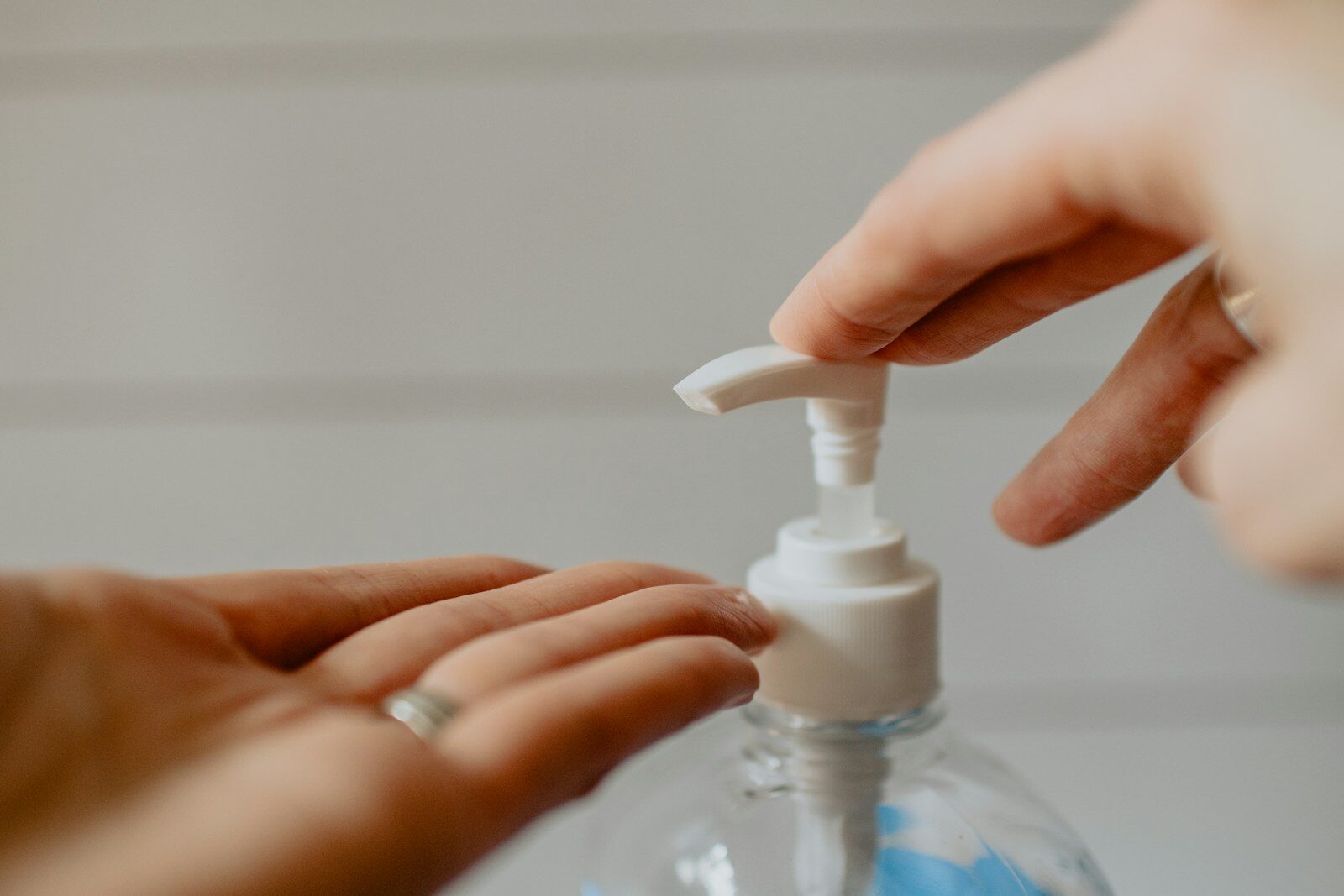
Stop Using Old Gel: Does Hand Sanitizer Expire?
Key Takeaways: Yes, does hand sanitizer expire is a common question with a definitive answer: most bottles have a shelf life of about 2 to 3 years. After this point, the alcohol content begins to evaporate, dropping below the 60% threshold required to effectively kill germs and bacteria.
I remember digging through my glove box a few months ago and finding a half-empty bottle of citrus-scented sanitizer that had clearly seen better days. The label was peeling, the liquid had turned into a weird, runny soup, and I genuinely wondered if rubbing it on my hands would do anything other than make me smell like a dusty orange. I realized then that while we all stocked up on these bottles recently, very few of us actually checked the “best by” date.
The short answer to the question does hand sanitizer expire is a firm yes. But the “why” and “how” behind that expiration are what really matter if you’re trying to keep yourself and your family healthy.
Why Hand Sanitizer Has a Shelf Life
Hand sanitizer is regulated by the Food and Drug Administration (FDA) as an over-the-counter drug. Because of this, manufacturers are required to conduct stability testing to determine how long the active ingredients remain effective.
The primary active ingredient in most sanitizers is either ethyl alcohol or isopropyl alcohol. Alcohol is volatile, which is a fancy way of saying it loves to turn into vapor and escape into the air. Even in a sealed bottle, tiny amounts of evaporation occur over time. Once the alcohol concentration dips below 60%, the solution loses its ability to break down the lipid bilayer of viruses and the cell walls of bacteria.
According to the FDA guidelines on hand sanitizers, these products are generally expected to last about three years from the date of manufacture unless otherwise specified on the label.
How to Check If Your Bottle Is Still Effective
If you’re staring at a bottle and wondering does hand sanitizer expire before you use it, the first thing to do is flip it over. Most reputable brands print the expiration date near the top of the bottle or on the back label. If you can’t find a date, you can look for a “lot number” and contact the manufacturer, though that’s a bit of a project for a $3 bottle of gel.
Signs Your Sanitizer Has Gone Bad
Sometimes the date is rubbed off, or the bottle has been sitting in a hot car, which speeds up the degradation process. Here is what I look for to tell if a bottle is past its prime:
- The Smell Test: If that sharp, medicinal alcohol scent is gone or replaced by a musty odor, the alcohol has likely evaporated.
- Consistency Changes: If the gel has become extremely watery or, conversely, strangely thick and cloudy, the chemical stabilizers are breaking down.
- Lack of Cooling Sensation: Alcohol evaporates quickly on the skin, which creates a cooling effect. If it feels like you’re just rubbing lukewarm slime on your hands, it’s probably lost its punch.
The Science of Alcohol Evaporation
To understand why the question does hand sanitizer expire is so critical, we have to look at the chemistry. Most effective sanitizers contain between 60% and 95% alcohol. This concentration is the “sweet spot” for denaturing proteins in microbes.
When a bottle sits for years, or if the cap isn’t screwed on tight, the alcohol escapes. This leaves behind the water, glycerin, and fragrances. While the bottle might still feel full, the ratio is off. Using expired sanitizer is like trying to put out a fire with a squirt gun—you’re going through the motions, but you aren’t actually solving the problem.
What Happens If You Use Expired Sanitizer?
Using expired sanitizer isn’t necessarily dangerous in the sense that it will hurt your skin (unless the ingredients have separated and caused a reaction), but it provides a false sense of security.
The Centers for Disease Control and Prevention (CDC) emphasizes that soap and water are always the gold standard, but when you rely on sanitizer, it needs to be at full strength. If you use an expired product, you might walk away thinking your hands are clean when you’re actually still carrying the germs you were trying to avoid.
Quick Comparison: Expired vs. Fresh Sanitizer
| Feature | Fresh Hand Sanitizer | Expired Hand Sanitizer |
| Alcohol Content | 60% to 95% | Often below 60% |
| Effectiveness | Kills 99.9% of germs | Significantly reduced |
| Scent | Strong alcohol smell | Faint or “off” smell |
| Skin Feel | Dries quickly, cools skin | May feel sticky or oily |
| Reliability | FDA-compliant | Not guaranteed to work |
Common Mistakes When Storing Sanitizer
I’ve been guilty of some of these myself. To keep your sanitizer from expiring prematurely, you need to treat it with a little bit of care.
- Leaving it in a hot car: Heat is the enemy of alcohol. High temperatures inside a vehicle during summer can cause the alcohol to expand and evaporate much faster, even if the bottle is closed.
- Leaving the “flip-top” open: If you have a pump bottle or a flip-top that stays cracked open, you’re basically inviting the alcohol to leave the building.
- Refilling old bottles: Don’t pour new sanitizer into an old, half-empty bottle. You risk contaminating the new batch or diluting it with the degraded remnants of the old one.
Proper Steps for Hand Hygiene
If you find that your bottle has answered the question does hand sanitizer expire with a resounding “yes” (by being five years old), here is the hierarchy of how you should clean your hands:
- Wash with soap and water: Scrub for at least 20 seconds. This is the only way to remove certain types of germs like Norovirus or C. diff.
- Use fresh hand sanitizer: If a sink isn’t available, apply enough gel to cover all surfaces of your hands.
- Rub until dry: Do not wipe the sanitizer off with a paper towel. It needs to air-dry on your skin to work properly.
- Dispose of the old stuff: If your sanitizer is expired, toss it out. It’s better to have no sanitizer and know you need to find a sink than to use bad sanitizer and think you’re safe.
Pros and Cons of Long-Term Storage
If you’re a “prepper” or just someone who likes to buy in bulk, there are things to consider regarding the shelf life of these products.
Pros
- Cost Savings: Buying in bulk is usually cheaper.
- Readiness: You’ll never be caught without a way to clean your hands during flu season.
Cons
- Degradation: The longer it sits, the less effective it becomes.
- Waste: If you can’t use it all within 2-3 years, you’re literally throwing money away.
- Storage Space: Large jugs take up room and need to be kept in cool, dark places.
Frequently Asked Questions
Can expired hand sanitizer still kill some germs?
It might kill some, but it won’t be as effective as it needs to be. Sanitizer relies on a specific concentration to be “broad-spectrum.” When that concentration drops, it might miss the very germs that are most likely to make you sick.
Is expired hand sanitizer dangerous?
It isn’t usually toxic or harmful to touch, but the danger lies in the lack of protection. If you are in a high-risk environment (like a hospital) and use expired gel, you are at a much higher risk of picking up an infection.
How should I dispose of expired hand sanitizer?
Because of the high alcohol content, hand sanitizer is technically flammable. Small household amounts can usually be thrown in the regular trash, but you should never pour large quantities down the drain as it can mess with septic systems or local water treatment.
Does the brand matter for expiration?
While all brands follow the same basic chemistry, premium brands might use better seals or stabilizers that help the product reach its full three-year potential. Cheaper “off-brands” might have thinner plastic bottles that allow for faster evaporation.
Can I add rubbing alcohol to old sanitizer to “fix” it?
I wouldn’t recommend this. Hand sanitizer is a carefully balanced formula of alcohol, thickeners, and skin conditioners. Adding raw rubbing alcohol can make the mixture too harsh for your skin, leading to cracking and bleeding, which actually makes it easier for germs to enter your body.
The Bottom Line on Expiration
At the end of the day, we use these products because we care about our health. When I looked at that old bottle in my car, I realized that keeping it was actually riskier than having nothing at all. If I relied on it, I was gambling with my health over the price of a coffee.
So, does hand sanitizer expire? Absolutely. It’s a chemical product with a ticking clock. If you have bottles lingering from years ago, take a second to check the dates. It’s a small task that ensures when you reach for that gel, it’s actually doing the job you expect it to do. Keeping your supply fresh is one of the simplest ways to stay ahead of the curve and keep those pesky germs at bay.