How to Ice Skate – A Beginner’s Guide to Glide with Confidence
Key takeaways
Learning how to ice skate starts with the right stance, balance, and equipment. The key is to start slow, keep your knees slightly bent, and focus on gliding rather than walking. With patience and a few simple steps, anyone can pick it up — even if you’ve never worn skates before.
Ice skating is one of those magical skills that looks harder than it actually is. If you’re wondering how to ice skate without falling every five seconds, you’re not alone — most people feel a little awkward at first. But once you get the hang of it, it’s pure fun. Whether you’re skating on a frozen pond or inside a local rink, here’s everything you need to know to get started the right way.
Step-by-Step: How to Ice Skate for Beginners
1. Dress the Part
Before hitting the ice, wear warm, flexible clothes that allow you to move. Layers are ideal. Gloves, a hat or helmet, and thick socks help keep you comfortable and safe.
Pro tip: Avoid thick cotton socks — they can bunch up inside the skate and cause blisters. Thin wool or moisture-wicking athletic socks are better.
2. Get the Right Skates
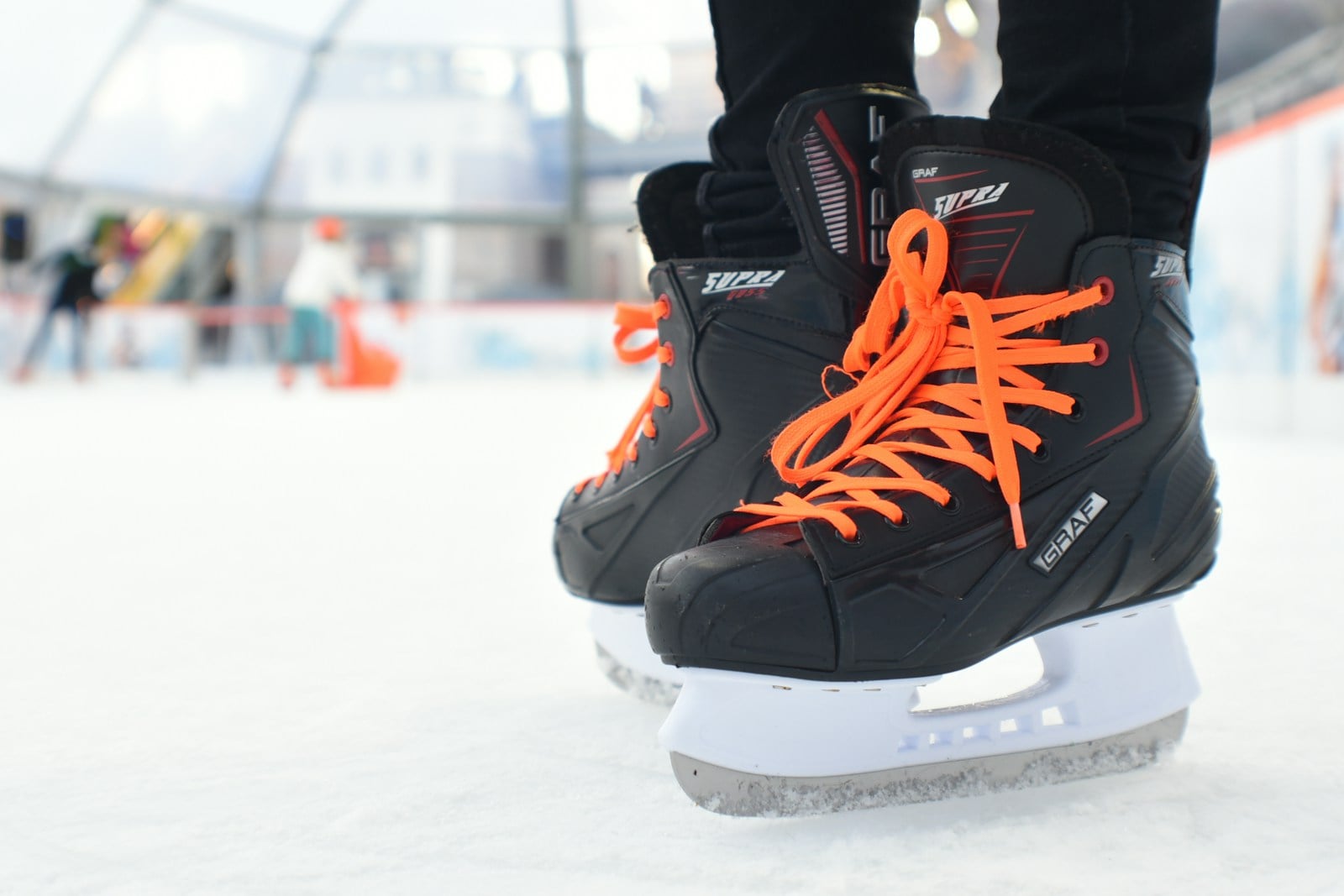
You can rent skates at most rinks, but make sure they fit snugly — not too tight, not too loose. Your foot should feel supported with no heel slippage. Lace them tightly, especially around the ankles, for stability.
There are two common types:
- Figure skates: Slightly longer blades with toe picks for balance and tricks.
- Hockey skates: Shorter blades and more ankle support for speed and agility.
If you’re a beginner, figure skates can feel a bit easier because of the added stability.
3. Learn the Basic Stance
Stand tall with your knees slightly bent, feet shoulder-width apart, and arms out for balance. Don’t lean back — that’s the fastest way to fall. Keep your weight slightly forward, centered over your skates.
4. Practice Marching, Not Walking
Start by marching in place to get used to the skates. Then, slowly march forward. Don’t try to glide yet — just lift your knees and take small steps on the ice.

5. Start Gliding
Once you’re comfortable with marching, try a gentle push with one foot and glide on the other. Alternate legs like you’re riding a scooter. Keep knees bent, core engaged, and arms out for balance.
6. Learn to Stop
One of the most useful things to learn early is how to stop. For beginners, the “snowplow stop” is best:
- Point toes slightly inward like a pizza slice.
- Push out with your heels gently.
- Apply light pressure and drag the inside edges of your skates to slow down.
This stop takes practice but will save you from a lot of accidental wall-crashes.
7. Master Turning and Swiveling
To turn, lean gently in the direction you want to go while keeping your knees bent. Use small, gentle curves at first. You’ll naturally start to follow the curve of your body and skates.
8. Learn to Fall (And Get Up) Safely
Yes, you will fall. It’s part of learning. Try to fall sideways or forward — never backward.
To get up:
- Roll onto your hands and knees.
- Bring one foot up and place it between your hands.
- Push up with your hands and bring the second foot under you.
Common Mistakes Beginners Make
| Mistake | Why it Happens | How to Fix It |
|---|---|---|
| Standing too straight | Fear or tension | Slightly bend knees, relax shoulders |
| Looking down | Trying to stay balanced | Look ahead, not at your feet |
| Leaning back | Instinct when losing balance | Shift weight slightly forward |
| Overstepping | Trying to walk on ice | Glide instead of step |
Pros and Cons of Learning How to Ice Skate
Pros
- Great cardio workout and leg strengthener
- Fun social or solo activity
- Can be done indoors or outdoors
- Low barrier to entry — no expensive gear required to start
Cons
- Can be intimidating at first
- Risk of falling (though rare injuries with proper gear)
- Requires access to ice rink or frozen area in winter
Practical Tips from Skating Coaches
- Stay relaxed. Tension leads to stiff movement and more falls.
- Practice off-ice balance. Yoga and balance boards can help.
- Don’t skip warm-ups. A few minutes of stretches or jumping jacks gets your muscles ready.
- Watch others. Observing how more experienced skaters move can teach you a lot.
Real-World Example: First-Time Skater Experience
Sarah, a 28-year-old from Chicago, tried ice skating for the first time last winter. “I was terrified of falling,” she said. “But after ten minutes of awkward steps and a lot of laughs with my friends, I actually started to glide. The snowplow stop saved me more than once.”
Her biggest tip? “Don’t overthink it. Once you relax and lean in a little, it gets a lot easier.”
Quick Comparison: Figure Skates vs. Hockey Skates
| Feature | Figure Skates | Hockey Skates |
|---|---|---|
| Blade length | Longer with toe pick | Shorter, curved blade |
| Stability | More stable for beginners | More agile for turns |
| Best for | Tricks, dance moves, casual skating | Speed, control, sports |
| Cost (entry-level) | ~$50–$100 | ~$60–$120 |
FAQ: How to Ice Skate
How long does it take to learn how to ice skate?
Most beginners can learn to skate comfortably within a couple of hours. It varies based on age, fitness, and balance, but even one session can show major progress.
Can you teach yourself how to ice skate?
Yes, absolutely. Many people learn by practicing on their own. Still, a short lesson or watching a few tutorial videos can speed up the process.
What should I avoid doing as a beginner?
Avoid looking down constantly, locking your knees, or trying to go too fast too soon. These habits increase your chance of falling.
Is ice skating good exercise?
Definitely. Ice skating improves cardiovascular health, strengthens your legs and core, and enhances balance and coordination. According to Harvard Health, a 155-pound person can burn over 380 calories in 30 minutes of skating (source).
Are there any age limits to learning how to ice skate?
Not really. Kids as young as 3 and adults well into their 70s can learn to skate. The key is starting slow and going at your own pace.
What are the best beginner skates?
Brands like Jackson, Riedell, and Bauer offer high-quality beginner options. Local skate shops or online retailers like Dick’s Sporting Goods offer rentals and entry-level gear.
Final Tips: Keep It Fun
Learning how to ice skate isn’t about being perfect — it’s about moving, learning, and enjoying the process. Invite a friend, go when the rink is less crowded, and don’t compare yourself to others gliding like pros. They started somewhere, too.
The more time you spend on the ice, the more natural it becomes. Keep your knees bent, your eyes forward, and don’t be afraid to laugh at yourself — that’s half the fun.