The Ultimate Guide to the Taper Fade – Modern Styles and Maintenance
The taper fade is a versatile, low-maintenance haircut characterized by a gradual decrease in hair length from the top of the head down to the neckline and sideburns. Unlike a traditional fade that blends into the skin higher up, this style keeps more length around the perimeter for a sophisticated, clean-lined finish.
Why the Taper Fade is the King of Modern Haircuts
The taper fade has become a staple in barbershops worldwide because it bridges the gap between a professional appearance and a trendy, edgy aesthetic. It is a “Goldilocks” haircut—not too dramatic, not too boring, but just right for almost any face shape or hair texture.
One of the primary reasons for its popularity is its adaptability. Whether you are rocking a massive pompadour, tight curls, or a conservative side part, this technique frames the face perfectly. It focuses on two specific areas: the sideburns and the nape of the neck. By thinning out the hair in these spots, your barber creates a sharp silhouette that makes the rest of your hair “pop.”

Taper vs. Fade: Understanding the Difference
Many people use these terms interchangeably, but in the world of grooming, they are distinct techniques.
- The Taper: This is a gradual change in hair length. It usually follows the natural lines of your head and leaves some hair visible at the edges.
- The Fade: A fade generally goes much shorter, often “fading” into the skin (a skin fade) much higher up on the sides and back.
- The Taper Fade: This hybrid approach uses the fading technique—blending hair down to the skin—but restricts it specifically to the sideburn area and the very bottom of the neckline.
Top Variations of the Style
There isn’t just one way to wear this look. Depending on your hair type and personal style, you can choose from several variations:
- Low Taper Fade: This is the most subtle version. The “disappearing” effect happens very low, just above the ears and at the very base of the neck. It is ideal for office environments.
- Mid Taper Fade: This starts a bit higher, usually around the temple area. It provides a more noticeable contrast and is great for guys with thicker hair on top.
- High Taper Fade: This version moves the blend higher up the sides. It creates a bold, athletic look that highlights the volume of the hair on the crown.
- Curly Taper Fade: Specifically designed for textured or afro-textured hair, this style keeps the curls intact on top while cleaning up the edges for a sharp, intentional finish.
How to Get the Look: A Step-by-Step Guide
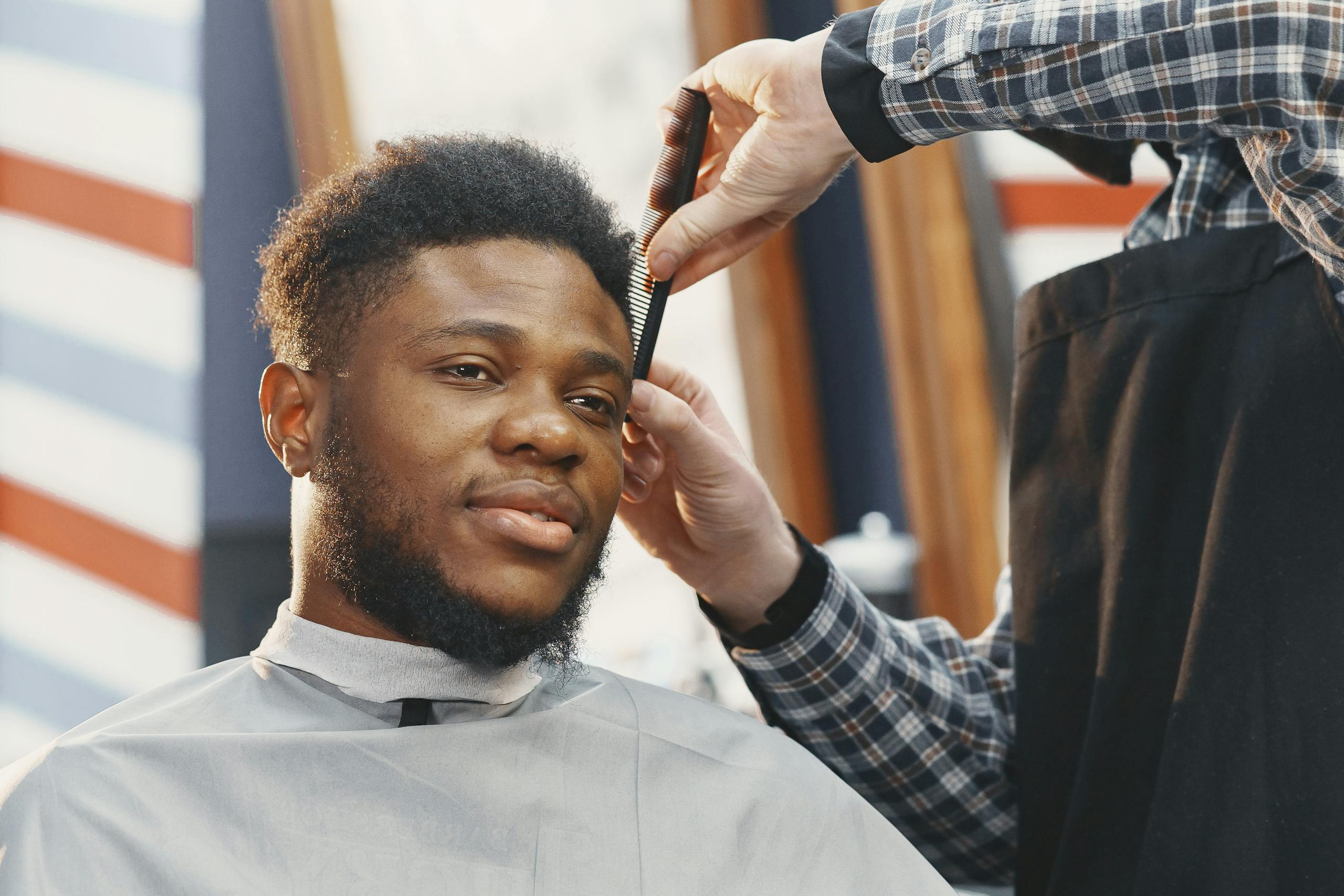
If you are curious about what happens in the barber chair, or if you are an aspiring stylist, here is how a standard taper is executed:
- Step 1: Sectioning. The barber separates the long hair on top from the sides using clips to ensure a clean transition.
- Step 2: Setting the Baseline. Using a trimmer or a high guard, the barber establishes the length on the sides.
- Step 3: Blending the Sideburns. Using a lower guard (often a #1 or #0), the barber begins the fade at the sideburns, moving upward and outward to blend into the longer hair.
- Step 4: Cleaning the Neckline. The same process is repeated at the nape of the neck, tapering the hair so it disappears into the skin.
- Step 5: Detail Work. A straight razor or detailer is used to “line up” the edges around the ears and forehead for that crisp, fresh-from-the-shop look.
Pros and Cons of This Haircut
Before committing to this style, it helps to weigh the benefits against the maintenance requirements.
| Feature | Pros | Cons |
| Versatility | Works with all hair types (straight, wavy, curly). | Needs frequent touch-ups to stay sharp. |
| Aesthetic | Offers a clean, professional look that isn’t too “loud.” | Can look messy quickly as the neck hair grows back. |
| Face Framing | Slims the face by removing bulk from the sides. | Requires a skilled barber for a seamless blend. |
Practical Examples and Common Mistakes
To get the best result, communication with your barber is key. Here are some common scenarios:
- The “Long Top” Mistake: If you leave the top too long without enough volume or product, the taper fade can make your head look disproportionately tall. Balance is essential.
- Going Too High: If your barber starts the taper too high up the head, it accidentally turns into a full fade. Make sure to specify you want the “taper” look specifically at the sideburns and neck.
- Ignoring Hair Growth Patterns: Everyone has different “cowlicks” or growth directions on their neck. A good barber will adjust the taper to follow these natural patterns so it grows out cleanly.
Maintenance and Styling Tips
To keep your hair looking its best between visits, you should invest in a few quality products. According to Men’s Health, using the right pomade or clay can define the texture on top, which draws more attention to the clean taper on the sides.
If you have straight or wavy hair, a matte clay provides a natural look. For those with curls, a moisturizing leave-in conditioner or curl cream is vital to prevent frizz. Because the neck hair grows back faster than the hair on top, many men find themselves visiting the barber every 2 to 3 weeks for a “neck cleanup” to maintain the integrity of the look.
Cultural Impact and Evolution
This style didn’t just appear out of nowhere. It has deep roots in various communities. As noted by GQ Magazine, the evolution of the fade and taper techniques reflects a broader shift in grooming where precision and artistry meet traditional masculinity. It has moved from being a specialized style in specific subcultures to a universal standard for men’s grooming.
FAQ
How long does a taper fade last?
Generally, the “crisp” look lasts about 10 to 14 days. After two weeks, the hair on the neck and sideburns usually grows enough to lose the “faded” effect, though the overall haircut will still look decent for a month.
Can I do this at home?
It is difficult. Blending hair into the skin requires mirrors and steady hands, especially at the back of the neck. It is usually best to leave this to a professional.
Is it suitable for thinning hair?
Yes. In fact, by taking the sides shorter, a taper fade can actually make the hair on top appear thicker and more voluminous by comparison.
What should I ask my barber for?
Ask for a “taper” rather than a “fade” if you want to keep the hair around your ears. Specify if you want it low, mid, or high.
Does it work for a professional office job?
Absolutely. The low taper is considered one of the most professional-looking modern haircuts because it removes the “shaggy” neck hair that often looks unkempt.
Key Takeaways for Your Next Visit
- Know your levels: Decide between a low, mid, or high blend before you sit in the chair.
- Bring a photo: Barbers love visual references to ensure they understand exactly where you want the blend to start.
- Product matters: A taper looks best when the hair on top is styled to contrast the short sides.
- Schedule touch-ups: If you want to keep that sharp edge, book a “line-up” appointment every two weeks.
The taper fade remains a timeless choice because it adapts to the person wearing it. It is a haircut that says you care about the details without looking like you tried too hard. Whether you are heading to a wedding, a job interview, or just out for the weekend, this style ensures you look sharp and put together.