Practical Ways to Reduce Sugar Load in Traditional Sweet Preparations
Traditional sweets are tricky to change too much. Cut the sugar too much and the whole thing can start tasting dry, flat, or just… off. And honestly, what’s the point if it no longer tastes like the dessert people actually like?
But there is usually some room to cut back. The first thing to try is simply reducing the sugar already going into the recipe. Not replacing it with something else. Just using less. If it calls for a cup, start with three-quarters. See how it tastes. Still too sweet? Cut a little more next time. Around 20–30% is a pretty easy place to start, while some recipes can even handle 40–50%. Others cannot. Sugar does more than make food sweet, so it really depends on what is being prepared.
Use Ingredients That Actually Add Something
Dates are a good example. They are naturally sweet, but they also bring flavour and moisture. A smooth date paste can work particularly well in some baked desserts, energy bites and halwa style preparations. That said, calling dates a “healthy sugar replacement” and leaving it there is a bit misleading. Dates still contain sugar. Swapping the same amount of refined sugar for dates does not magically turn a dessert into a low-sugar food.
The better reason to use them is that whole dates can bring more to the recipe than sweetness alone, especially when some of their fibre remains. The same idea applies to mashed banana or unsweetened apple purée. They can work nicely in certain recipes, but they are not interchangeable with sugar in everything. They add water, change the texture and obviously change the taste too. So the recipe needs to be adjusted, not just the sweetener.
Sometimes, Just Add More Flavour
Cutting sugar can make a dessert taste a little flat. That’s where spices help. A bit of cardamom, cinnamon, vanilla, saffron, rose water or citrus zest can make a big difference without adding more sugar.
Cardamom is especially good in milk-based desserts. You can use less sugar and still get plenty of flavour. And don’t skip the nuts. Toast them first and they get that warm, slightly roasted taste that makes the whole dessert better. Basically, if it tastes boring after cutting the sugar, don’t immediately reach for more sugar. Add flavour instead.
What About Honey, Maple Syrup and Coconut Sugar?
This is where things get confusing. A lot of products are marketed as better alternatives simply because they are called natural. Honey is natural. So is maple syrup. Coconut sugar sounds healthier than ordinary white sugar. But replacing one with another does not automatically mean the dessert contains less sugar.
Honey and syrups are still considered free sugars by the World Health Organization. The WHO recommends keeping free sugars below 10% of total daily energy intake, with further benefits associated with keeping intake below about 5%. So instead of worrying too much about whether the sugar came from a plant, look at the amount being used. That is much more useful.
Then There Is the Part People Tend to Forget — Portions
A recipe can be reduced in sugar and still become a very sugary snack if the serving is huge. This is especially easy with things like halwa, kheer, brownies, mithai and other dense desserts. A few extra spoonfuls here and there can add up without really feeling like a lot of food.
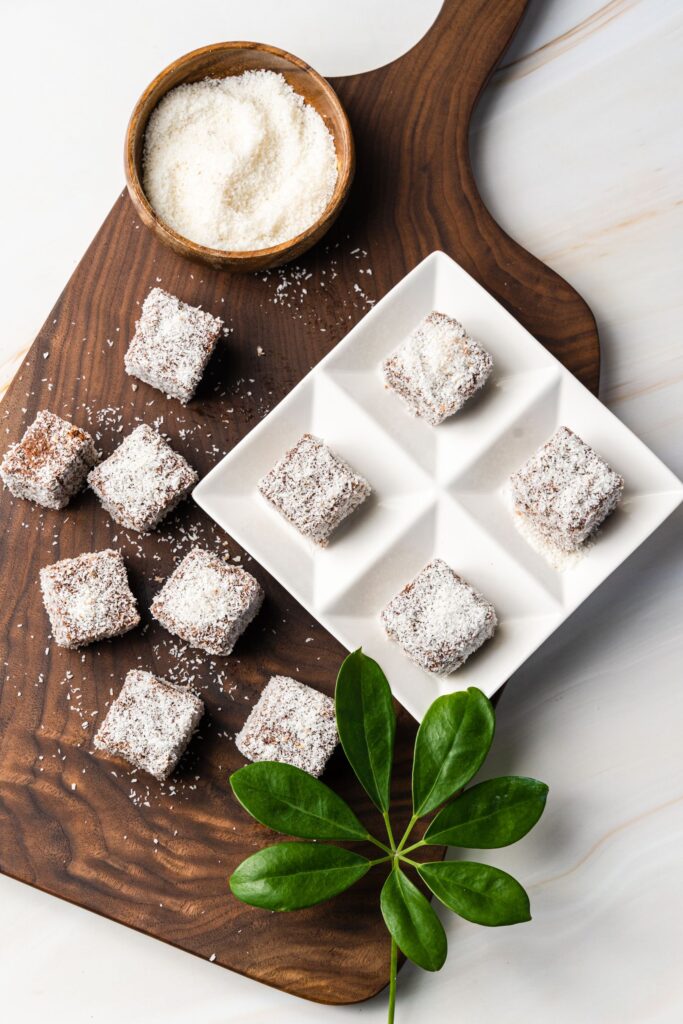
Making smaller portions is a surprisingly simple fix. A tray of something can be cut into smaller pieces. Kheer can go into smaller bowls. A rich dessert does not necessarily need to fill half the plate. And on days when sweet preparations are more common, such as 12 rabi awwal, there is no reason the choice has to be either “eat everything” or “avoid it completely.” A lower-sugar recipe and a sensible serving can make the same food much easier to fit into the day.
Add Some Fibre, But Don’t Treat It Like a Free Pass
Certain sweet dishes may be made more nutritious by adding nuts, oats, chia seeds, flaxseed, and whole grains. They may give the food additional texture, fibre, and sometimes even more filling. However, adding chia seeds to a recipe with a lot of sugar doesn’t make the sugar go away. It doesn’t work that way. Instead of considering fibre as a replacement for a high-sugar recipe, it is best to think of it as a single ingredient of the recipe.
The same applies to good fats and nuts. They may provide richness and satisfaction to a dessert, but they are also high in calories. More is not automatically better.
A Quick Calculation Can Tell You a Lot
Suppose a dessert contains 200 grams of added sugar and makes 10 servings. That is 20 grams of added sugar per serving just from the sugar added to the recipe. Reduce the recipe to 120 grams and each serving now contains 12 grams from that ingredient. That is a 40% reduction. The dessert has not suddenly become “healthy.” It has simply become less sugary. And that distinction matters.
The FDA also recommends looking at added sugars on food labels rather than only looking at total sugars. Added sugars include ingredients such as table sugar, syrups and honey. The rest of the day’s food matters too. If the dessert is followed by sweet tea, a soft drink and a few biscuits, the total sugar intake can climb pretty quickly.
Keep The Recipe Recognisable
There is no need to turn traditional sweets into something completely different. That is probably the most practical approach. Reduce the sugar a little. Taste it. Adjust it again if needed. Use spices, vanilla, citrus or rose water to give the dessert more flavour. Add nuts, oats or seeds where they actually work with the recipe. Use dates or fruit purées when they make sense, not simply because they sound healthier. And keep an eye on the portion.
The goal is not to make a traditional sweet taste like a “healthy dessert.” It is still supposed to be sweet. The goal is simply to make it a little less dependent on added sugar while keeping the parts that people actually enjoy — the flavour, texture and familiarity. That is a much easier change to stick with than completely rewriting the recipe.