How Many Tablespoons in 1/4 Cup? Simple Kitchen Conversions Made Easy
Key Takeaways
There are 4 tablespoons in 1/4 cup.
This measurement applies to both dry and liquid ingredients when using standard U.S. measuring tools. It’s a handy conversion for cooking and baking when you don’t have a 1/4 cup measure available.
Why Knowing This Conversion Matters
If you’ve ever found yourself halfway through a recipe only to realize your 1/4 cup is missing, you’re not alone. Whether you’re making cookies, pancakes, or salad dressing, knowing how many tablespoons in 1/4 cup can save your recipe — and your sanity.
This quick kitchen conversion helps when you’re working with limited measuring tools or trying to scale a recipe up or down. It’s especially useful for anyone who prefers using spoons over cups for precision or convenience.
How Many Tablespoons in 1/4 Cup?
There are exactly 4 tablespoons in 1/4 cup. This is a standardized U.S. measurement, meaning it doesn’t change between dry and liquid ingredients — as long as you’re using measuring spoons made for cooking (not your regular tableware).
This conversion works whether you’re measuring flour, sugar, butter, milk, oil, or anything else commonly found in recipes.
Why 4 Tablespoons in 1/4 Cup?
The U.S. customary system is built around fractions of cups and their tablespoon equivalents. Here’s how it breaks down:
| Cups | Tablespoons |
|---|---|
| 1 cup | 16 tablespoons |
| 1/2 cup | 8 tablespoons |
| 1/4 cup | 4 tablespoons |
| 1/8 cup | 2 tablespoons |
That makes 1/4 cup one-fourth of 16 tablespoons — so 4 tablespoons.
When This Conversion Comes in Handy
Here are a few everyday examples when converting 1/4 cup to tablespoons is useful:
- Baking cookies but your cup measure is in the dishwasher.
- Mixing a salad dressing and don’t want to dirty extra measuring cups.
- Dividing a recipe in half and only need 2 tablespoons (which is 1/8 cup).
- Doubling a recipe and need 8 tablespoons instead of measuring 1/2 cup.
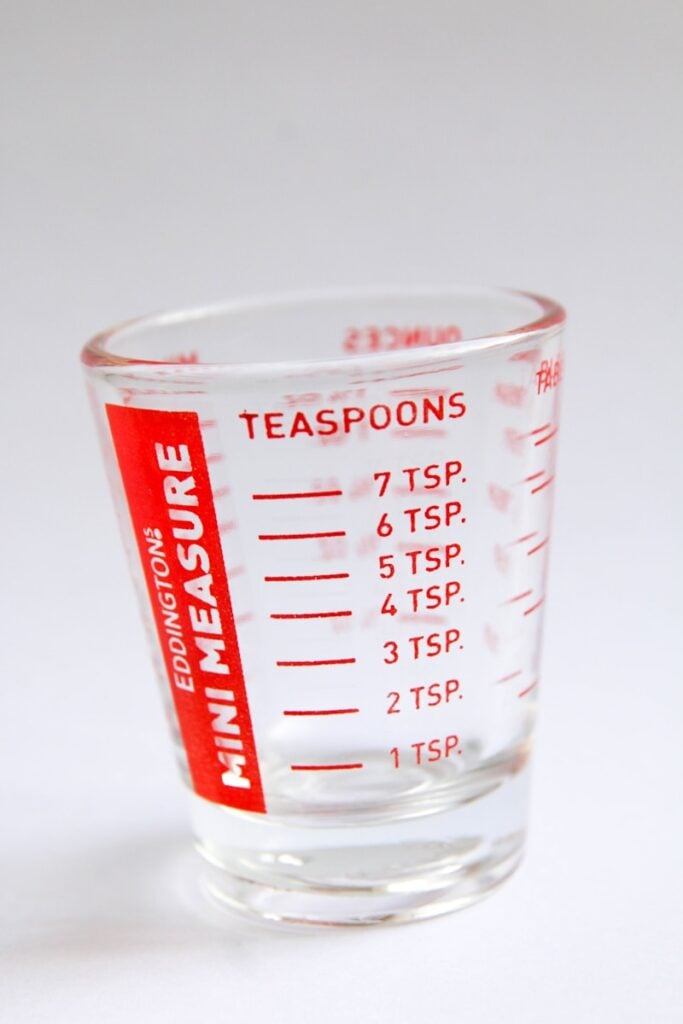
Step-by-Step: Measuring 1/4 Cup Using Tablespoons
- Use a standard tablespoon measuring spoon.
- Scoop or pour your ingredient into the spoon, level off the top with a knife for accuracy.
- Repeat 4 times to get the full 1/4 cup amount.
This is especially helpful if you’re trying to stay precise with dry ingredients like baking powder or cocoa, where too much or too little can make a big difference.
Common Ingredients: Tablespoon-to-Cup Conversions
Here’s a quick look at some kitchen staples and how 1/4 cup translates:
| Ingredient | 1/4 Cup Equals |
|---|---|
| Flour | 4 tablespoons |
| Sugar | 4 tablespoons |
| Butter (melted) | 4 tablespoons |
| Honey | 4 tablespoons |
| Oil | 4 tablespoons |
| Milk | 4 tablespoons |
| Peanut Butter | 4 tablespoons (packed) |
No matter what you’re making, this conversion remains consistent across most ingredients.
Pros and Cons of Measuring in Tablespoons
✅ Pros:
- Great for small batch cooking or baking
- Perfect when your measuring cup is missing or dirty
- More precise for certain ingredients
- Easier cleanup with fewer dishes
❌ Cons:
- Slightly more time-consuming than using a cup
- Easy to lose count while measuring multiple tablespoons
- Slight variations can occur if not leveled properly
Practical Example: Chocolate Chip Cookies
Let’s say your cookie recipe calls for 1/4 cup of brown sugar, but you only have measuring spoons. Instead of guessing, simply use:
4 tablespoons of packed brown sugar
This ensures you’re sticking to the exact ratio and your cookies come out just as chewy and delicious as intended.
Common Mistakes to Avoid
- Using regular spoons instead of measuring spoons – Standard cutlery is not consistent in size.
- Not leveling the spoon – Especially important for dry ingredients like flour or baking soda.
- Assuming conversions vary for liquids and solids – In the U.S. system, 4 tablespoons = 1/4 cup for both.
- Eyeballing amounts – This often leads to inconsistent results, especially in baking.
Comparison Table: Cup to Tablespoon Conversions
Here’s a simple reference you can bookmark:
| Measurement | Tablespoons |
|---|---|
| 1 cup | 16 tbsp |
| 3/4 cup | 12 tbsp |
| 2/3 cup | 10 tbsp + 2 tsp |
| 1/2 cup | 8 tbsp |
| 1/4 cup | 4 tbsp |
| 1/3 cup | 5 tbsp + 1 tsp |
| 1/8 cup | 2 tbsp |
Having a conversion table like this near your stove or inside a kitchen cabinet can be a real timesaver.
FAQs
How many teaspoons in a tablespoon?
There are 3 teaspoons in 1 tablespoon. So if you’re ever scaling down further, you can use 12 teaspoons to make 1/4 cup.
Is 1/4 cup always equal to 4 tablespoons, no matter the ingredient?
Yes — in U.S. measurements, 1/4 cup always equals 4 tablespoons by volume, whether you’re measuring water, sugar, or oil.
Can I use a liquid measuring cup for dry ingredients?
You can, but it’s not ideal. Dry measuring cups are designed to be leveled off, while liquid ones have a pour spout and may not be as precise.
What’s the easiest way to remember these conversions?
Start with the full cup: 1 cup = 16 tablespoons. Then just divide:
- 1/2 cup = 8 tbsp
- 1/4 cup = 4 tbsp
- 1/8 cup = 2 tbsp
You can write these on a sticky note or print a kitchen cheat sheet.
Are UK or metric measurements different?
Yes. In the UK and metric systems, measurements differ slightly. For instance, a UK tablespoon is 15 ml, while an Australian tablespoon is 20 ml. This can make conversions trickier. Stick to one system for the whole recipe.
Reputable Sources for More Conversions
For those who want to dive deeper into kitchen conversions or printable charts, check out these trustworthy sites:
- King Arthur Baking – Offers a detailed ingredient weight chart for bakers who want precision.
- USDA FoodData Central – Great for checking volume-to-weight nutrition conversions.
Final Thoughts
Knowing how many tablespoons in 1/4 cup might seem like a small detail, but it can make a big difference when you’re in the middle of a recipe. It keeps your cooking consistent, your cleanup simpler, and your confidence high in the kitchen.
Whether you’re baking a quick batch of muffins or making your grandma’s secret sauce, having these conversions in your head (or saved on your fridge) helps keep things smooth, even when you’re missing a measuring cup.
Remember: 1/4 cup is always 4 tablespoons — no guesswork required.