
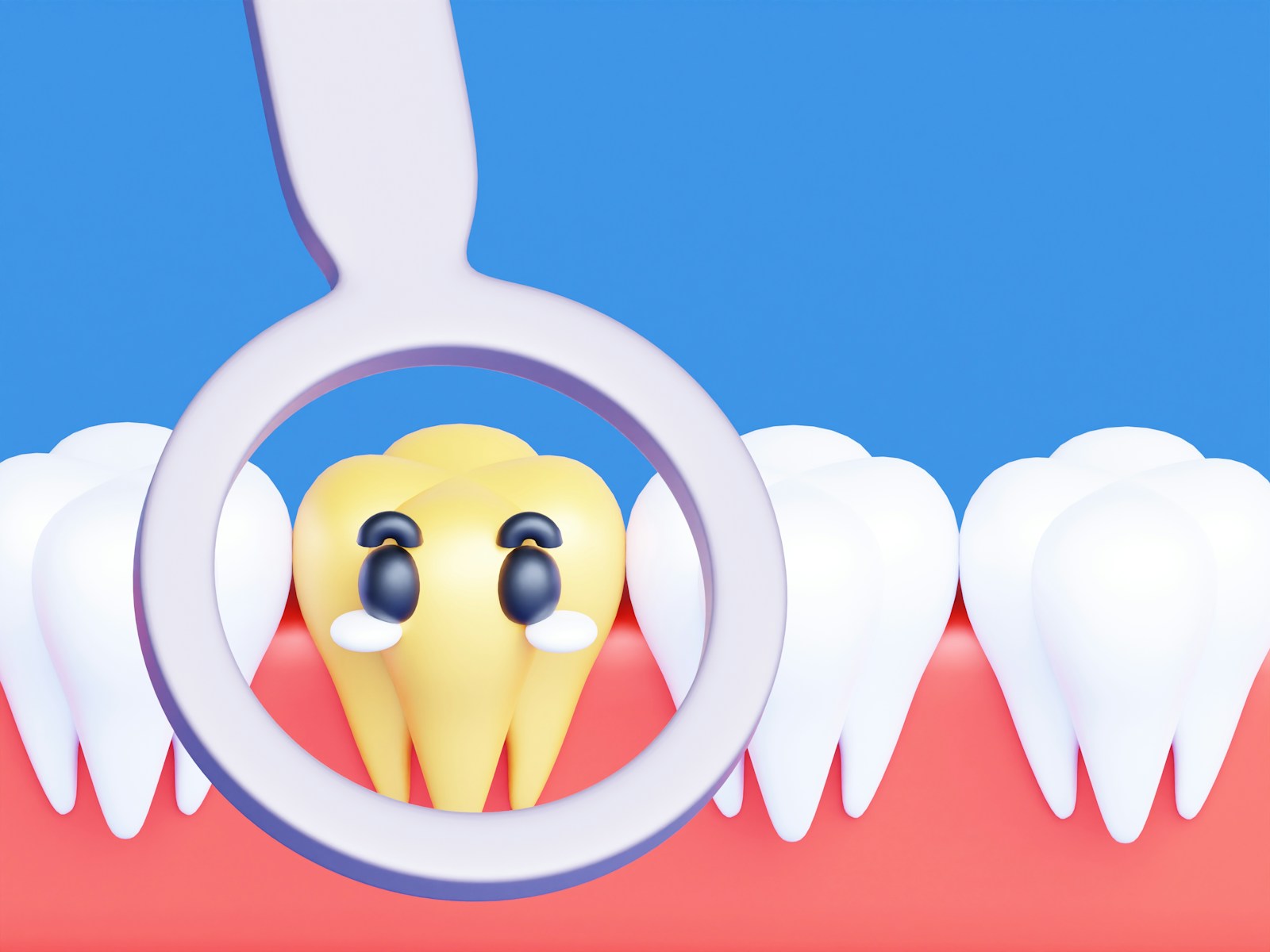
When Do Kids Start Losing Teeth? A Parent’s Complete Guide
When Do Kids Start Losing Teeth: The Basics
When do kids start losing teeth? This is a common question among parents, especially those with preschoolers nearing school age. The process typically begins around age 6, but it can vary from child to child. Understanding what to expect can help parents ease their children through this natural and exciting transition.
Primary teeth, also known as baby teeth, serve as placeholders for permanent teeth. Losing them is part of a normal developmental process that paves the way for adult teeth to emerge properly. While the average age is around six, the range can extend from as early as four to as late as seven or eight.
Understanding the Timeline of Tooth Loss
Every child follows a slightly different timeline when it comes to dental milestones. However, there is a general order and schedule most kids follow when losing their baby teeth.
1. The First Teeth to Go
The first baby teeth to fall out are usually the lower central incisors—the two front bottom teeth. These are also typically the first teeth to erupt when a child is a baby. Following them are the upper central incisors.
2. Order of Tooth Loss
Here is the general order in which baby teeth fall out:
- Lower central incisors (ages 6–7)
- Upper central incisors (ages 6–7)
- Lateral incisors (ages 7–8)
- First molars (ages 9–11)
- Canines (ages 9–12)
- Second molars (ages 10–12)
This progression allows permanent teeth to move in gradually, usually completing the transition by age 12 or 13.
Why the Timing Varies
Parents often compare their child’s milestones to others, but it’s important to remember that children grow and develop at different paces. A few factors can influence when kids start losing teeth:
Genetics
Just like height and eye color, tooth development is influenced by genetics. If you or your partner lost your baby teeth early or late, your child might follow a similar pattern.
Gender
Girls generally lose their baby teeth earlier than boys, although the difference is usually not significant.
Nutrition and Health
Good overall health and a balanced diet rich in calcium and vitamin D contribute to healthy teeth development. Chronic health issues, on the other hand, may delay the process.
Signs Your Child Is Ready to Lose a Tooth
Knowing the signs can help you prepare your child—and yourself—for the first lost tooth. Here’s what to watch for:
- Looseness: The tooth wiggles when touched.
- Discomfort: Your child may complain of a sore gum or sensitive tooth.
- Gum redness: The area around the tooth may appear red or swollen.
- Tooth pushing through: You may notice the tip of a new tooth behind or beneath a loose one.
These signs are typically not a cause for concern. However, if a permanent tooth erupts before the baby tooth has loosened, it’s worth consulting a dentist.
How to Support Your Child Through the Process
Losing teeth can be a fun and memorable part of growing up—especially with the help of the Tooth Fairy! Still, some children may feel nervous, especially if the tooth falls out with a little bleeding. Here are a few ways to help:
Encourage Gentle Wiggles
If a tooth is loose, encourage your child to gently wiggle it with a clean finger or their tongue. Avoid forceful pulling, which can damage the gums.
Keep Up with Oral Hygiene
It’s essential to continue brushing and flossing—even if teeth are loose or missing. Use a soft-bristle brush and help your child reach any difficult areas.
Celebrate the Milestone
Consider leaving a small note or gift from the Tooth Fairy to make the experience magical. This helps children associate tooth loss with excitement rather than fear.
What Happens After a Tooth Falls Out?
Once a baby tooth falls out, the gum underneath will be slightly tender. The permanent tooth may take a few weeks to emerge. During this time, be sure to:
- Maintain gentle oral hygiene
- Avoid sticky or hard foods that may irritate the area
- Reassure your child that the new tooth will come in soon
Sometimes, the new tooth may appear behind the baby tooth—this is called “shark teeth.” It’s usually harmless and resolves on its own, but a dentist can evaluate if intervention is needed.
When to See a Dentist
Routine dental visits should begin by the child’s first birthday and continue every six months. However, specific concerns may prompt an earlier visit, such as:
- A loose tooth that’s not falling out after months
- Severe pain, swelling, or signs of infection
- A permanent tooth erupting while the baby tooth remains firmly in place
- Teeth falling out too early (before age 4) or too late (after age 8)
Professional guidance can ensure everything is on track and address any developmental issues early on.
Common Questions About Losing Baby Teeth
Let’s address some of the most frequently asked questions about when kids start losing teeth.
Is it normal for a 5-year-old to lose a tooth?
Yes, it’s within the typical range. While the average is around age 6, many children start losing teeth at age 5. As long as teeth fall out in the correct order, there’s usually no cause for concern.
What if my child hasn’t lost any teeth by age 7?
Late tooth loss isn’t uncommon. As long as your child’s permanent teeth are developing and baby teeth aren’t falling out too early, it’s generally fine. Still, a dental check-up can provide reassurance.
How many teeth do kids lose?
Children typically lose 20 primary teeth. These are eventually replaced by 32 permanent adult teeth, which include molars that never had baby tooth counterparts.
Do kids lose teeth all at once?
No, tooth loss is a gradual process. Kids usually lose their first tooth around age 6 and their last one around age 12. The entire process can span 6 years or more.
Tooth Development Milestones: A Quick Chart
| Age Range | Dental Milestone |
|---|---|
| 6–12 mo | First baby teeth emerge |
| 2–3 yrs | All 20 baby teeth usually present |
| 4–5 yrs | Jaw and facial bones grow |
| 6–7 yrs | First baby teeth fall out |
| 9–12 yrs | Canines and molars begin to fall out |
| 12–13 yrs | Permanent teeth complete (except wisdom) |
This chart gives parents a bird’s-eye view of typical dental development. Keep in mind, individual timelines may vary.
The Emotional Side of Tooth Loss
While it’s easy to focus on the physical process, don’t overlook the emotional side. Children might feel proud, scared, or even sad about losing a part of themselves. A supportive and calm approach can go a long way.
Some tips for navigating emotions:
- Reassure them it’s normal
- Share your own stories of tooth loss
- Involve them in the Tooth Fairy tradition
- Encourage questions and curiosity
Making the experience positive builds your child’s confidence and fosters healthy attitudes toward bodily changes.
Tooth Loss and Speech Development
Parents sometimes worry that missing teeth will impact their child’s ability to speak. While certain sounds may become slightly more difficult, especially “th,” “s,” and “z,” this is temporary.
Children adapt quickly, and the arrival of adult teeth usually restores full articulation. If you notice persistent speech difficulties after new teeth erupt, consider consulting a speech therapist.
Preventing Dental Problems During the Transition
To keep your child’s mouth healthy during the years of tooth loss, focus on preventive care:
- Brush twice daily with fluoride toothpaste
- Floss once a day (you may need to help at first)
- Limit sugary snacks and drinks
- Schedule regular dental check-ups
These habits reduce the risk of cavities in both baby and permanent teeth, setting your child up for a lifetime of good oral health.
Final Thoughts: When Do Kids Start Losing Teeth?
So, when do kids start losing teeth? Most begin around age 6, but there’s a healthy range for what’s considered normal. Some children lose their first tooth at 4, others at 7. The important thing is that the process follows a natural sequence and is supported with good dental care and emotional encouragement.
Tooth loss is a rite of passage that signals your child is growing up. Celebrate it, support them, and don’t hesitate to consult a dentist if anything feels off. This exciting chapter is just one of many in your child’s developmental journey.