
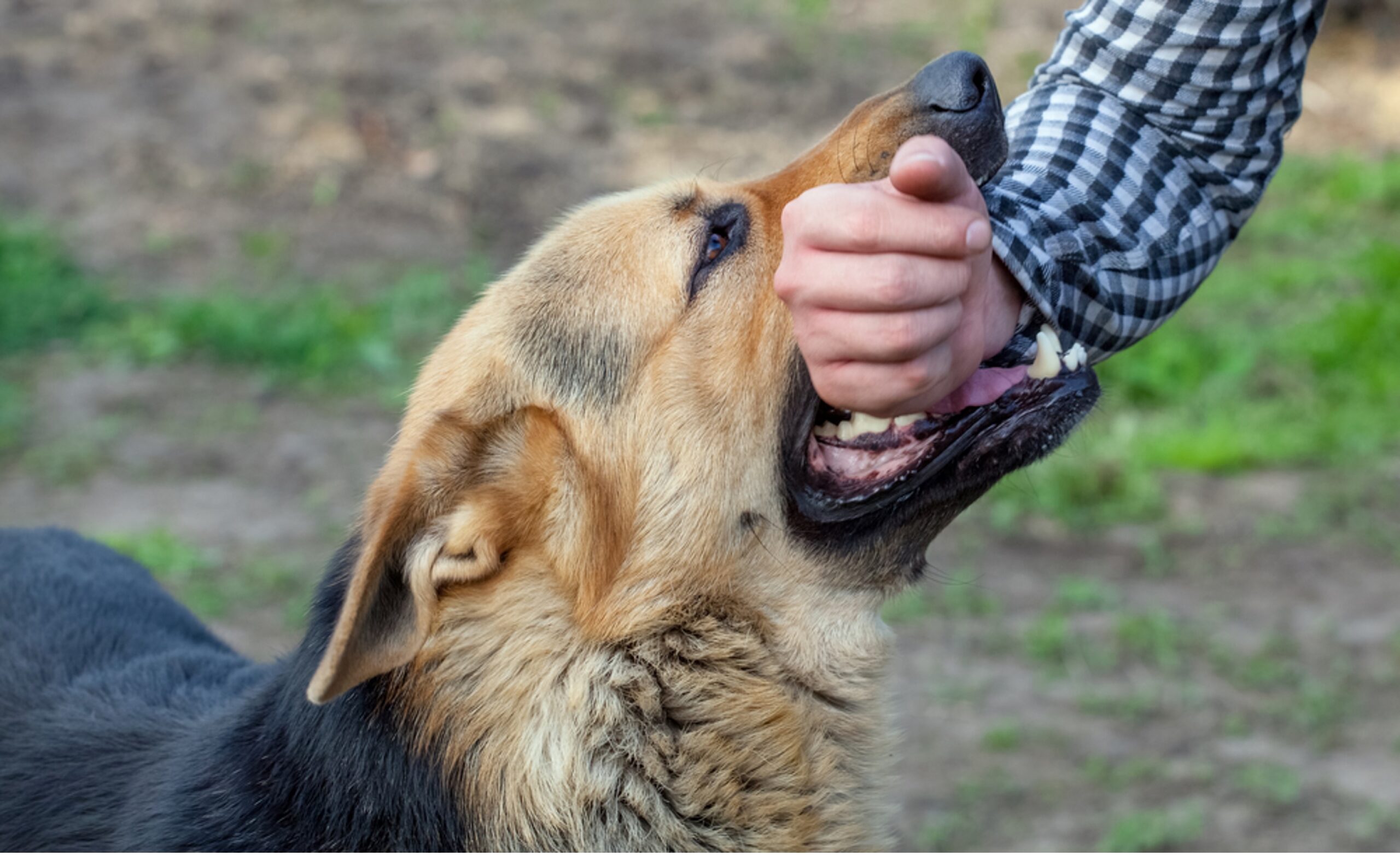
What Affects the Value of a Dog Bite Injury Claim
A single dog bite can turn into a legal matter that carries more weight than most people expect. What looks like a simple injury on the surface can involve medical treatment, financial strain, and long recovery periods that slowly build over time. Every case carries its own story, and no two claims are valued the same.
The amount a person may receive depends on several details that are carefully reviewed during the legal process. These details shape how compensation is calculated and what the final outcome may look like. It is not always straightforward, but the factors behind it are worth understanding.
Severity of the Injury
The nature of the injury often becomes the starting point of any dog bite claim. Some bites may heal with basic care, while others require deep medical attention that continues for months. Injuries that involve nerve damage, infections, or lasting scars are treated very differently in legal claims compared to minor wounds.
In many cases, a dog bite injury compensation lawyer looks closely at medical reports to understand how serious the injury is and how it affects daily life. These reports provide a clear picture of the physical damage caused by the attack. More severe injuries usually lead to higher compensation because they bring greater physical and financial impact.
The law considers not just how the injury looks but how it changes a person’s ability to function. This is why detailed medical records hold strong importance in determining the value of a claim.
Medical Expenses and Ongoing Treatment
Medical costs often form a large part of any dog bite injury claim. Treatment does not always end after the first hospital visit. Some injuries require follow up care, medication, and even long term therapy.
Common medical expenses may include:
• Emergency treatment and hospital care
• Surgical procedures if the injury is severe
• Medication and wound care
• Follow up doctor visits
• Future treatment if complications arise
Legal claims take both current and future medical costs into account. Doctors may provide estimates for ongoing treatment, which helps in calculating a fair compensation amount. This ensures that the injured person is not left dealing with future expenses alone.
Insurance companies carefully review these records before deciding how much to offer. The more detailed and clear the documentation is, the stronger the claim becomes.
Impact on Income and Work Life
Dog bite injuries can interrupt a person’s ability to work, especially if the injury affects movement or requires long recovery time. Missing work means losing income, and this loss is considered during compensation.
Employers may confirm the number of days missed, and income records help show the financial impact. In some cases, injuries may affect a person’s ability to return to the same type of work. This can reduce future earning potential, which becomes another factor in the claim.
Financial experts may also step in to estimate long term income loss. This helps in presenting a clearer picture of how the injury has affected work life beyond the immediate recovery period.
The law aims to ensure that financial losses connected to the injury are properly accounted for.
Pain, Suffering, and Emotional Impact
Not all losses can be measured with bills or records. Physical pain and emotional distress also form part of a dog bite injury claim. These effects may not always be visible, but they still influence the overall value of compensation.
Pain from the injury, discomfort during recovery, and the lasting effect on daily activities are all considered. Emotional stress and fear related to the incident may also be included in the claim.
Courts and insurance companies look at how the injury has changed the person’s daily routine and overall quality of life. This part of the claim often depends on the details provided through medical reports and professional evaluations.
Even though these damages are harder to measure, they still carry weight in the final compensation decision.
Liability and Legal Responsibility
The strength of a claim also depends on how clearly responsibility can be established. In many states, dog owners are held responsible for bites under specific laws, especially if the victim was in a place where they had the right to be.
However, certain situations can affect the outcome. If the injured person was trespassing or provoked the dog, the claim may be challenged. These factors are carefully examined during the legal process.
Clear evidence of responsibility often leads to stronger claims. Legal teams focus on showing that the dog owner failed to prevent the incident or control the animal properly.
Establishing liability is an important step because it directly affects how compensation is calculated and awarded.
Evidence Supporting the Claim
A strong claim is built on clear and reliable evidence. Without proper documentation, even a serious injury may not receive the compensation it deserves.
Important evidence may include medical records, photographs of injuries, witness statements, and reports from animal control authorities. Each piece of evidence helps create a clear understanding of what happened and how the injury occurred.
Photos taken after the incident can show the severity of the injury, while medical records explain the treatment required. Witness statements may confirm how the attack happened.
Together, these details support the claim and help justify the compensation amount being requested.
Closing Perspective
The value of a dog bite injury claim is shaped by many connected factors rather than one single detail. Medical costs, lost income, injury severity, and legal responsibility all work together to form the final outcome. Each case is carefully reviewed based on its own facts, which is why compensation amounts can vary widely.
For many individuals, working with a dog bite injury compensation lawyer becomes an important part of understanding how these factors apply to their situation and how a fair compensation amount can be pursued through the legal process.