
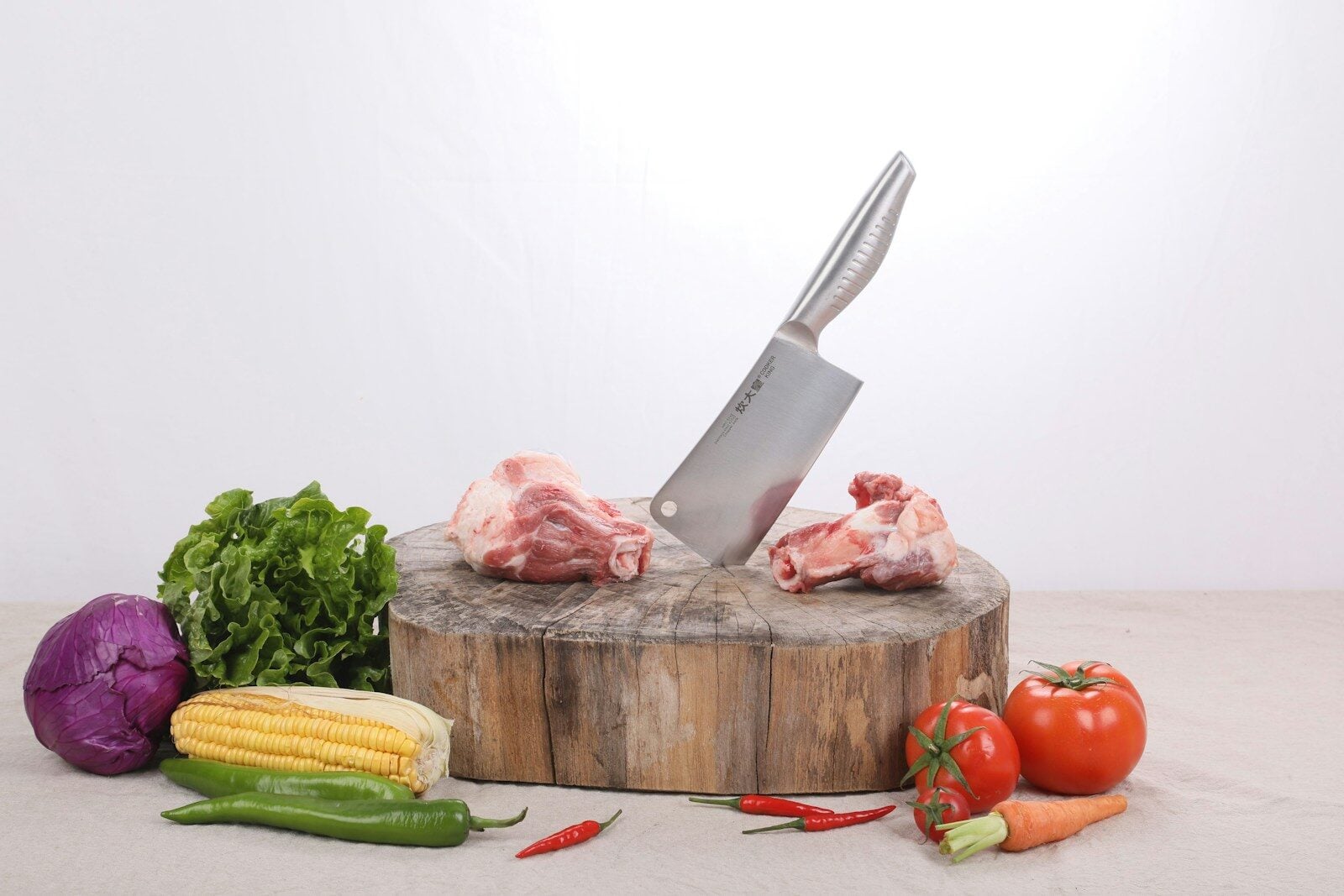
The Meat-Only Truth – Can You Eat Vegetables on the Carnivore Diet?
Key Takeaways: Technically, you cannot eat vegetables on a strict carnivore diet, as the protocol focuses exclusively on animal products. However, some people choose to follow a “Ketovore” or relaxed version that includes small amounts of low-toxicity plants for variety.
If you are wondering can you eat vegetables on the carnivore diet, the short and simple answer is no. By its purest definition, the carnivore diet is a monochromatic way of eating that eliminates everything except animal meat, organs, eggs, and sometimes high-fat dairy. It is the ultimate elimination diet, designed to remove plant-based irritants, lectins, and oxalates that some people believe cause systemic inflammation.
But as with any nutritional movement, the “rules” often depend on your specific goals. Are you doing this to reverse an autoimmune condition, or are you just looking to lose a few pounds and simplify your meal prep? Understanding why plants are off the menu is just as important as knowing which ones people occasionally “sneak” back in.
Why the Carnivore Diet Rejects Plants
The philosophy behind skipping the salad bar is rooted in the idea that plants don’t want to be eaten. Unlike animals, which can run, fight, or hide, plants use chemical warfare to protect themselves. These are often referred to as antinutrients.
When people ask can you eat vegetables on the carnivore diet, proponents of the movement point to substances like:
- Oxalates: Found in spinach and beets, these can contribute to kidney stones and joint pain.
- Lectins: Found in nightshades and legumes, which may interfere with nutrient absorption.
- Phytates: These can bind to minerals like magnesium and calcium, making them harder for your body to use.
By removing these compounds entirely, many followers report a massive reduction in bloating and digestive distress. According to a study published in Current Developments in Nutrition, many participants following a carnivore-style diet reported high levels of satisfaction and improvements in various health markers, despite the absence of fiber.
The Spectrum: From Strict Carnivore to Ketovore
Not everyone wears the same “meat-only” uniform. While the purists (often called “Lion Diet” followers) stick strictly to ruminant meat, salt, and water, others find a middle ground.
The Strict Carnivore (Level 1)
This is the “no exceptions” zone. If it didn’t walk, swim, or fly, it doesn’t go on the plate. This means no broccoli, no onions, and certainly no garnish. The goal here is usually therapeutic—fixing deep-seated gut issues or skin conditions.
The Ketovore Approach (Level 2)
This is where the question can you eat vegetables on the carnivore diet gets a “maybe.” Ketovore is a hybrid. You might eat 90% meat but keep a few fermented vegetables or a side of avocado. It’s essentially a very meat-heavy version of Keto.
The Paul Saladino “Animal-Based” Way (Level 3)
Dr. Paul Saladino, a prominent figure in the space, shifted his stance over time. He now advocates for an “animal-based” diet that includes meat, organs, fruit, and honey, but still largely avoids leaves, stems, and seeds (the “vegetables”) because they contain the highest concentration of plant defense chemicals. You can find more about his research on his official platform.
Pros and Cons of Excluding Vegetables
Removing an entire food group is a big deal. Here is how the trade-off usually looks:
The Pros
- Simplified Digestion: For many, fiber is actually an irritant rather than a help. Removing it can stop gas and bloating instantly.
- Reduced Inflammation: Eliminating processed oils and plant toxins often leads to less joint pain.
- Mental Clarity: Stable blood sugar from a meat-only diet can eliminate “brain fog.”
- Easy Decision Making: You never have to wonder what to cook. It’s steak.
The Cons
- Social Difficulty: It’s hard to go to a dinner party and eat only the burger patties.
- The “Transition” Phase: Your gut microbiome takes time to adjust, which can lead to temporary bathroom issues.
- Micronutrient Scarcity: If you only eat muscle meat (and skip organs), you might miss out on specific vitamins like Vitamin C or Folate.
Common Mistakes When Trying to Add Plants
If you decide that you do want to include some greens, don’t just jump back into a giant kale salad. That is a recipe for disaster. Here are some common pitfalls:
- Choosing High-Fiber Veggies First: If your gut has adjusted to zero fiber, a bowl of broccoli will feel like a brick in your stomach.
- Ignoring Nightshades: Tomatoes and peppers are common triggers for joint inflammation. Adding them back first can mask the benefits of the diet.
- Forgetting to Peel and Seed: If you must eat “vegetables” (like cucumbers or squash), the toxins are mostly in the skin and seeds. Removing them makes the plant much more tolerable.
How to Reintroduce Vegetables (The Right Way)
If you have been meat-only for a while and want to see if you can handle plants again, follow these steps:
- Wait for a Baseline: Don’t add plants until you have been 100% carnivore for at least 30 to 60 days. You need to know what “feeling great” feels like first.
- Pick One at a Time: Don’t eat a stir-fry with ten ingredients. Pick one vegetable—like a peeled cucumber or well-cooked squash—and eat it for three days.
- Monitor Your Symptoms: Watch for bloating, skin breakouts, or changes in your mood.
- Prioritize Fermentation: Fermented vegetables like sauerkraut have already had some of their anti-nutrients “pre-digested” by bacteria, making them easier on your system.
Quick Comparison: Carnivore vs. Keto vs. Animal-Based
| Feature | Strict Carnivore | Ketovore | Animal-Based |
| Vegetables | Never | Occasionally / Low Carb | Rare (focus on fruit) |
| Fruit | No | No | Yes |
| Dairy | Sometimes | Yes | Yes |
| Primary Goal | Autoimmune / Gut | Weight Loss | Longevity / Performance |
Practical Examples of “Safe” Plant Additions
While the question can you eat vegetables on the carnivore diet is usually answered with a “no,” some people find they tolerate certain things better than others. These are often dubbed “carnivore-adjacent” foods:
- Avocados: High fat, low sugar, and technically a fruit, making them easier on the gut than leaves.
- Fermented Pickles: The fermentation process reduces some of the plant’s natural defenses.
- Squash (Peeled and Seeded): Many find that cooked squash is gentle on the digestive tract.
- Herbs for Seasoning: Small amounts of dried thyme or rosemary rarely cause the same issues as eating a bowl of spinach.
Is Fiber Actually Necessary?
One of the biggest hurdles people face when considering if they can you eat vegetables on the carnivore diet is the fear of constipation. We have been told for decades that fiber is the “broom” for our intestines.
However, many in the carnivore community find that once they remove the fiber, their digestion becomes more regular than ever. This is because meat is almost entirely absorbed in the small intestine, leaving very little waste behind. Constipation is often a result of too much bulk (fiber) getting stuck, rather than a lack of it.
FAQ
Can I eat onions and garlic for flavor?
In a strict carnivore protocol, no. However, many people use small amounts of garlic or onion powder as a “bridge” to make the diet sustainable. If you have severe gut issues, it’s best to cut them out initially.
Will I get scurvy if I don’t eat vegetables?
Scurvy is caused by Vitamin C deficiency. Interestingly, glucose and Vitamin C compete for the same transporters in the body. When you stop eating sugar and carbs, your body’s requirement for Vitamin C drops significantly. Fresh meat (especially liver) contains enough Vitamin C to prevent scurvy.
Can you eat vegetables on the carnivore diet for weight loss?
Adding vegetables won’t necessarily stop weight loss, as long as you stay in a calorie deficit or ketosis. However, many people find that vegetables trigger cravings for other carbs, making the diet harder to stick to.
Is it okay to have a “cheat day” with salad?
“Cheat” is a harsh word. If you feel better including a salad once a week, then do it. Just be aware that you might experience some temporary bloating as your body handles the fiber.
What about mushrooms?
Mushrooms are fungi, not plants. They don’t have the same defense chemicals as leafy greens, but they are still not animal products. Most strict carnivores avoid them.
Final Thoughts on Plants and Meat
The beauty of this way of eating is its simplicity. While the answer to can you eat vegetables on the carnivore diet is a firm “no” for purists, the ultimate goal is your health. If adding a little bit of avocado or steamed zucchini helps you stay away from processed sugar and seed oils, then it is a win.
Start strict to see how your body responds without any plant interference. Once you’ve hit your goals—whether that’s a certain weight or a clear complexion—you can experiment with reintroducing plants one by one. You might find that you don’t actually miss the broccoli as much as you thought you would.