
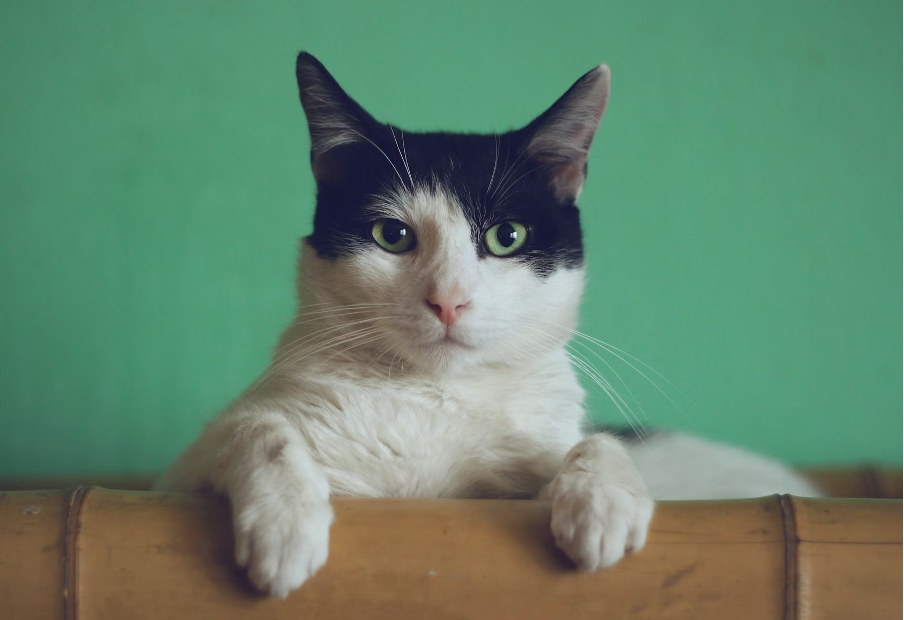
Supporting Your Cat’s Well-being Through Breed Awareness
The majority of cat owners closely monitor their pet’s diet, sleep patterns, and level of happiness. However, the breed is one aspect that is sometimes overlooked. It’s not just entertaining to tell your pals about your cat’s breed. In fact, it can help you prevent issues before they arise and alter the way you take care of your cat. Knowing your pet’s origins can significantly improve their quality of life, regardless of whether they are purebred or mixed.
Why Your Cat’s Breed Shapes More Than Just Its Looks
When people consider cat breeds, their appearance is typically what comes to mind: large ears, a flat face, and long fur. However, breed is much more than that. It has an impact on your cat’s thought processes, anxiety triggers, attention requirements, and potential health issues.
Until anything goes wrong, many owners are unaware of this. It’s possible that a cat that appears “difficult” or “too needy” is just responding in accordance with the expectations of its breed. Additionally, a cat that appears to be in excellent health on the outside may have genetic predispositions to specific illnesses that are worth keeping an eye on.
If you are not sure what breed or mix your cat is, a cat breed test can be a great starting point. It gives you real information about your cat’s background, which helps you make better decisions about their care, diet, and environment.
Reading the Signs: How Breed Traits Show Up in Everyday Behavior
Have you ever wondered why your cat follows you from room to room or why it always responds to your words? These are not haphazard behaviors. These are frequently breed characteristics that manifest in day-to-day living.
Certain breeds are inherently talkative and gregarious, such as Siamese cats. They want to be involved with all that you do. Some are more reserved and appreciate peaceful places, such as Russian Blues. While some cats are content to sleep for most of the day, others require a lot of playtime to maintain their equilibrium.
Understanding these inclinations allows you to work with your cat’s nature rather than trying to change them. Both of your lives are made easier by this. When given adequate stimulus, a high-energy cat is much less likely to act out or scratch furniture. When a shy cat has its own private space, it will feel secure instead of anxious.
Hidden Health Risks That Come With the Breed
Each breed has a unique set of health tendencies. Breeds with flat faces, such as British and Persians, because of the way their skulls are shaped, frequently have trouble breathing. Heart problems can be common in large breeds, such as Maine Coons. Because they lack a coat to protect their skin, hairless cats require additional protection.
None of these guarantees that your cat will become unwell. It simply indicates that you are aware of what to search for. When your veterinarian knows what to look for based on your cat’s history, routine checkups become more beneficial. Early detection of small, seemingly insignificant indications frequently results in better outcomes.
Matching Your Home and Lifestyle to Your Cat’s Breed Needs
A cat is more than simply a food source and occasional head pet. They are residing in your space, which either suits them or doesn’t.
Active breeds require space to roam, objects to climb, and social interaction. A very gregarious and active breed may suffer if you work long hours and live in a small apartment. However, under the same circumstances, a more independent breed might be just acceptable.
It’s not necessary to restrict your kitty selection when considering this combination. It’s about preparing you both for a fulfilling relationship. A cat is calmer, healthier, and more pleasurable to live with when its surroundings suit its character.
Feeding and Grooming With Breed in Mind
Regular brushing is necessary for long-haired breeds to prevent uncomfortable knots and skin issues. Even though they require less upkeep, short-haired cats nevertheless benefit from the occasional grooming. While certain breeds burn energy fast and require more food, others are prone to weight gain and require portion control.
It’s easy to create a regimen that works for your particular cat, but it does take understanding what your cat really needs. Over time, a surprising number of health problems can be avoided with a basic grooming regimen and a feeding plan appropriate for your cat’s size and activity level.
Bottom Line
Not just serious breeders need to consider breed awareness. Every cat owner can take advantage of it. You can better comprehend your cat when you are aware of its past. You make better decisions regarding their daily routine, diet, space, and health.
You can’t ask your cat what they need. However, their breed can frequently. Everything else gets a little clearer once you start there.