Smart Water Conservation Methods for a Sustainable Future
Introduction: Why Water Conservation Methods Matter
Water conservation methods are essential for preserving one of the Earth’s most vital resources. With increasing demand and dwindling freshwater supplies, conserving water is no longer optional—it’s a necessity. Whether it’s through efficient household habits or large-scale irrigation strategies, every drop saved today helps ensure water availability for future generations.
This comprehensive guide explores practical and sustainable water conservation methods across different sectors, helping you make meaningful changes in daily life, agriculture, and industry.
Understanding the Importance of Water Conservation
Before diving into specific water conservation methods, it’s important to understand why conserving water is critical:
- Finite Resource: Although Earth is covered with water, only about 3% is freshwater, and much of that is locked in glaciers.
- Climate Change: Altered weather patterns are leading to droughts in some regions and flooding in others, disrupting water availability.
- Population Growth: As the population grows, so does the demand for clean water—for drinking, farming, and sanitation.
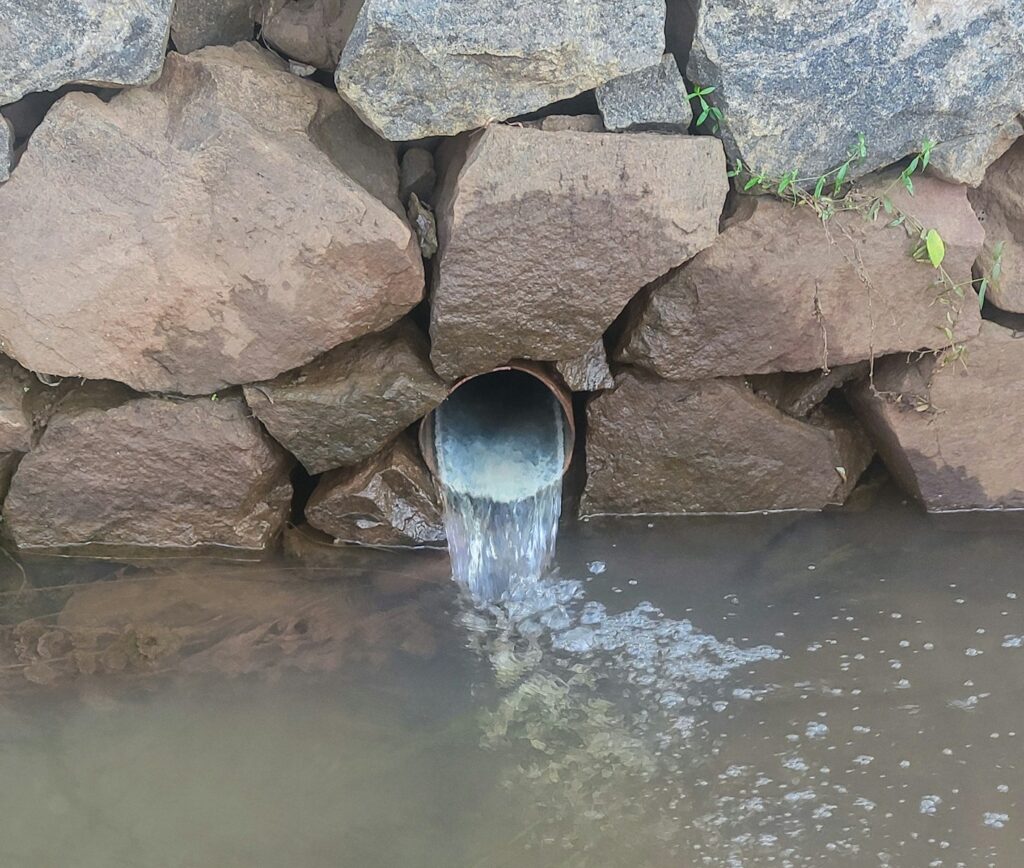
By adopting thoughtful water conservation practices, we reduce environmental impact, save energy, and cut costs.
Water Conservation Methods at Home
1. Fix Leaks Promptly
One of the simplest water conservation methods is repairing leaks. A dripping faucet or running toilet can waste thousands of gallons annually. Regular maintenance ensures efficient water use.
2. Install Low-Flow Fixtures
Low-flow showerheads, faucets, and toilets significantly reduce water usage without compromising performance. These fixtures are affordable and easy to install.
3. Use Water-Efficient Appliances
Modern dishwashers and washing machines use less water and energy. When upgrading appliances, look for ENERGY STAR-certified models designed for conservation.
4. Turn Off Taps When Not in Use
Many people leave the tap running while brushing teeth or washing dishes. Turning it off during these moments saves significant water over time.
5. Collect Rainwater
Rainwater harvesting systems collect and store rain for outdoor use, such as watering plants or washing vehicles. This reduces reliance on municipal water supplies.
6. Water Plants Wisely
Water plants early in the morning or late in the evening to minimize evaporation. Drip irrigation systems or soaker hoses target plant roots directly, making watering more efficient.
Outdoor Water Conservation Techniques
1. Choose Native and Drought-Resistant Plants
Landscaping with native species that thrive in local conditions reduces the need for supplemental watering. Drought-resistant plants are especially beneficial in dry climates.
2. Mulching
Mulch retains soil moisture, reduces evaporation, and suppresses weed growth. Organic mulch also improves soil health over time.
3. Smart Irrigation Systems
Automated irrigation controllers adjust watering schedules based on weather conditions, soil moisture, and plant needs. These smart systems prevent overwatering and reduce waste.
4. Use a Broom Instead of a Hose
When cleaning driveways or patios, using a broom instead of a hose can save hundreds of gallons of water.
Agricultural Water Conservation Methods
1. Drip Irrigation
Drip irrigation delivers water directly to plant roots, minimizing loss through evaporation and runoff. It is one of the most efficient agricultural water conservation methods.
2. Laser Leveling of Fields
Laser leveling ensures uniform water distribution in crop fields, reducing runoff and improving crop yield with less water.
3. Crop Rotation and Cover Crops
Rotating crops and planting cover crops improve soil structure and water retention. Healthy soil holds more water and reduces the need for irrigation.
4. Timing Irrigation Efficiently
Irrigating crops during cooler parts of the day—early morning or late evening—minimizes evaporation losses.
5. Use of Soil Moisture Sensors
These sensors help farmers monitor when and how much to irrigate, optimizing water use and avoiding overwatering.
Industrial Water Conservation Methods
1. Recycling and Reusing Water
Many industries reuse water from one process in another. For instance, wastewater from cooling systems can be treated and used again, reducing total consumption.
2. Cooling Tower Efficiency
Optimizing cooling tower operations reduces water loss. Using air-cooled systems or improving water circulation methods can significantly cut usage.
3. Leak Detection Systems
Industrial facilities benefit from automated leak detection systems that monitor pipelines and equipment. Early detection prevents water loss and infrastructure damage.
4. Employee Awareness Programs
Training employees on water conservation methods ensures better practices across the workplace. Awareness leads to action, and small changes collectively make a big difference.
5. Retrofitting Equipment
Upgrading to water-efficient machinery and installing flow restrictors help industries meet sustainability goals while lowering operational costs.
Water Conservation in Public Spaces
1. Efficient Irrigation in Parks
Public parks and gardens can reduce water use through smart controllers, moisture sensors, and proper landscape design.
2. Public Awareness Campaigns
Educating communities about water conservation methods encourages responsible behavior. Posters, workshops, and school programs foster a water-saving culture.
3. Low-Flow Public Restrooms
Installing low-flow toilets and faucets in public buildings conserves large amounts of water over time, especially in high-traffic areas.
4. Greywater Systems in Buildings
Greywater systems recycle gently used water from sinks, showers, and laundry for toilet flushing or landscape irrigation.
Technological Innovations in Water Conservation
1. Smart Home Water Monitors
Devices like smart water meters track household water use in real time. Alerts notify homeowners of leaks or excessive usage, prompting quicker action.
2. Water-Saving Apps
Several mobile apps offer water-saving tips, track usage, and even connect users to local conservation programs and rebates.
3. Desalination and Water Purification
Innovations in desalination and purification are helping communities access clean water while minimizing environmental impact.
4. AI and IoT in Agriculture
Artificial intelligence and Internet of Things (IoT) devices help optimize irrigation, predict weather conditions, and monitor soil health for water-efficient farming.
Behavioral Changes That Drive Water Conservation
1. Shorter Showers
Even cutting a shower by a minute or two can save gallons of water. Installing a timer in the bathroom encourages quicker showers.
2. Full Loads Only
Running dishwashers and washing machines only when full maximizes efficiency and minimizes waste.
3. Avoiding Bottled Water
Using reusable bottles and filtering tap water reduces the environmental impact of bottled water production and disposal.
4. Educating Children Early
Teaching kids about water conservation builds long-term habits. Engaging activities and simple tasks like watering plants help children understand the value of water.
Government Policies and Community Programs
1. Incentives for Water-Efficient Appliances
Governments often offer rebates for households and businesses that install water-saving fixtures and equipment.
2. Water Usage Regulations
Laws regulating excessive water use during droughts or enforcing efficient irrigation standards are critical for long-term sustainability.
3. Community Conservation Projects
Local initiatives like tree-planting, rain garden creation, and waterway clean-ups foster community engagement in conservation efforts.
4. Investment in Infrastructure
Upgrading aging water systems reduces leaks and improves efficiency. Investment in modern infrastructure is a key element of long-term water conservation.
Challenges to Water Conservation
Despite the availability of many water conservation methods, challenges remain:
- Lack of Awareness: Many people are unaware of how much water they use or how to reduce it.
- Cost Barriers: Installing efficient systems can be expensive upfront, though they often save money in the long term.
- Policy Gaps: Inconsistent regulations and lack of enforcement hinder widespread adoption of conservation practices.
Overcoming these challenges requires cooperation between individuals, communities, businesses, and governments.
Conclusion: Every Drop Counts
Adopting water conservation methods is one of the most impactful ways to contribute to a healthier planet. From simple daily habits at home to innovative agricultural technologies and community-wide programs, there are countless ways to save water.
Making small changes in how we use and value water can lead to big results. By integrating these methods into our daily lives, we not only protect a vital resource but also promote sustainability, resilience, and responsible living for generations to come.
If you’re looking to make a difference, start by assessing your water use today. Choose a few practical water conservation methods from this guide and put them into action. The planet—and your wallet—will thank you.