
How to Help Sore Muscles: Effective Recovery Strategies for Faster Relief
Key Takeaways
To learn how to help sore muscles quickly, prioritize active recovery like walking, stay hydrated to flush out metabolic waste, and use a combination of heat for stiff muscles and ice for acute inflammation. Incorporating magnesium-rich foods and ensuring 7–9 hours of sleep are the most effective long-term solutions for muscle repair.
That stiff, “waddling like a penguin” feeling the morning after a heavy workout is something we’ve all experienced, and knowing how to help sore muscles is the key to staying consistent with your fitness goals. Whether you overdid it during a weekend hike or finally tried that high-intensity interval class, Delayed Onset Muscle Soreness (DOMS) is a sign that your body is adapting. However, just because it’s a natural process doesn’t mean you have to suffer through the discomfort for a week.
The sensation of soreness is actually caused by microscopic tears in your muscle fibers. When these fibers repair themselves, they grow back stronger. The goal of recovery isn’t to stop this process entirely—since that’s how you build strength—but to manage the inflammation and increase blood flow to speed up the mending phase.
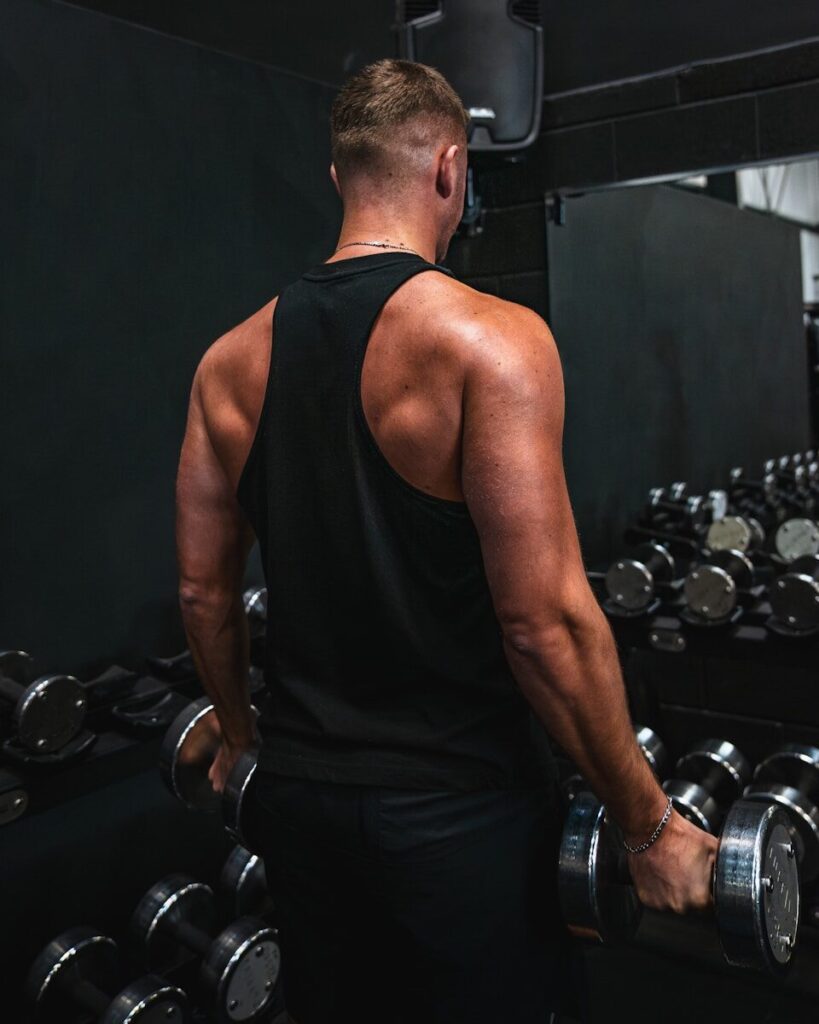
Understanding the Timeline of Muscle Pain
Before diving into the fixes, it helps to know what you’re dealing with. Acute soreness happens during or immediately after exercise and usually fades quickly. DOMS, on the other hand, typically peaks between 24 and 72 hours after your workout. If you find yourself struggling to sit down on a chair two days after leg day, you are right in the thick of the DOMS peak.
Proven Methods on How to Help Sore Muscles
There isn’t a single magic pill that erases soreness instantly, but a multi-angled approach works best. Here are the most effective ways to get back on your feet.
1. Prioritize Active Recovery
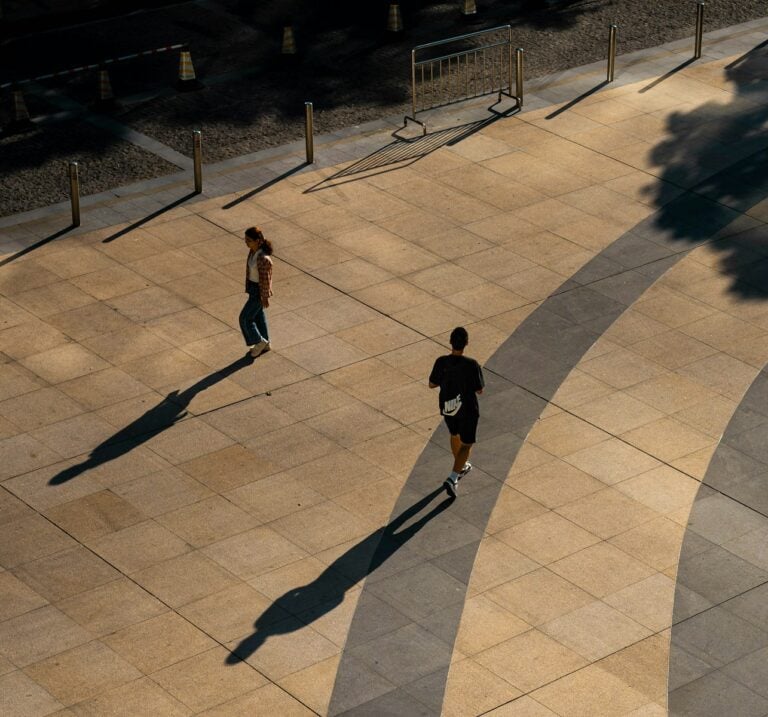
It sounds counterintuitive, but the best thing you can do for sore legs is to use them. Staying sedentary allows blood to pool and muscles to stiffen further. Low-impact movement, such as a light 20-minute walk or a gentle swim, increases circulation. This delivers fresh oxygen and nutrients to the damaged tissues while helping to clear out the chemical byproducts of exercise.
2. Hydration and Electrolyte Balance
Water is the primary transport mechanism in your body. If you are dehydrated, your body can’t efficiently move the nutrients required for repair into your cells. Furthermore, electrolytes like magnesium, potassium, and sodium play a crucial role in muscle contraction and relaxation. A deficiency in these can lead to cramping on top of your existing soreness.
3. Temperature Therapy: Heat vs. Ice
Choosing between a heating pad and an ice pack depends on the timing.
- Ice: Use cold therapy immediately after a workout or if you notice significant swelling. It constricts blood vessels and reduces the initial inflammatory response.
- Heat: Once the initial 24 hours have passed, heat is usually the winner. A warm bath with Epsom salts (which contain magnesium) helps relax tight fibers and increases blood flow to the area.
Nutrition and Supplementation for Recovery
What you put in your body is just as important as what you do with it. Protein is the literal building block of muscle, but other nutrients play supporting roles.
- Omega-3 Fatty Acids: Found in salmon or flaxseeds, these are natural anti-inflammatories.
- Anthocyanins: Found in tart cherry juice and blueberries, these antioxidants have been shown in several studies to reduce the perception of muscle pain.
- Magnesium: This mineral is a natural muscle relaxant. Many people find success taking it before bed to prevent nighttime cramping and improve sleep quality.
The American Council on Exercise (ACE) emphasizes that while supplements can help, they cannot replace the foundational importance of a balanced diet and adequate caloric intake during heavy training phases.
Common Mistakes When Managing Soreness
Even with the best intentions, it’s easy to get recovery wrong. Here are a few things to avoid:
- Popping Ibuprofen Constantly: While NSAIDs reduce pain, some research suggests that chronic use might actually hinder the muscle’s natural healing and growth signals. Use them sparingly.
- Static Stretching Too Hard: Pulling on a cold, damaged muscle can actually cause more micro-tears. Opt for dynamic movement or foam rolling instead.
- Ignoring Sharp Pain: There is a difference between the “good” ache of a workout and the sharp, localized pain of a strain or tear. If the pain is asymmetrical (only on one side) or prevents you from moving a joint, see a professional.
Practical Comparison: Recovery Tools
If you’re looking to invest in some gear to learn how to help sore muscles at home, here is how the most popular options stack up:
| Tool | Best For | Effort Level |
| Foam Roller | Breaking up adhesions (knots) | High (it can be painful) |
| Massage Gun | Targeted blood flow and desensitizing pain | Low |
| Epsom Salt Bath | Overall relaxation and magnesium absorption | Low |
| Compression Gear | Reducing swelling during and after travel/exercise | Minimal |
Step-by-Step Guide to a Recovery Day
If you woke up today feeling like a statue, follow this routine to loosen up:
- Start with Hydration: Drink 16 ounces of water with a pinch of sea salt or an electrolyte tablet.
- Gentle Movement: Go for a 10-15 minute easy walk to get the blood pumping.
- Self-Massage: Use a foam roller or a tennis ball on the specific areas that feel the tightest. Spend about 2 minutes per muscle group.
- Heat Application: Take a warm shower or use a heating pad for 20 minutes to encourage tissue elasticity.
- Protein-Rich Meal: Consume a meal with at least 20-30 grams of protein to provide the amino acids needed for repair.
- Sleep: Aim for at least 8 hours. Growth hormone, which is essential for tissue repair, is primarily released during deep sleep stages.
The Role of Massage and Bodywork
Professional massage can be an incredible asset. According to the Mayo Clinic, massage therapy can help reduce heart rate and blood pressure while improving immune function and decreasing physical pain. If a professional massage isn’t in the budget, percussion massagers (massage guns) have become a popular DIY alternative. They work by sending rapid pulses into the muscle tissue, which can temporarily override pain signals and improve range of motion.
Pros and Cons of Common Recovery Hacks
Cold Plunges / Ice Baths
- Pros: Excellent for numbing pain and reducing immediate swelling; great for mental “toughness.”
- Cons: Some studies suggest they may blunt muscle hypertrophy (growth) if used too frequently immediately after strength training.
Compression Garments
- Pros: Easy to use; can be worn while working or sleeping; helps manage “heavy” feeling in limbs.
- Cons: Quality gear can be expensive; can be uncomfortable in hot weather.
Topical Creams (Menthol/Capsaicin)
- Pros: Provides an instant cooling or warming sensation that distracts the brain from the ache.
- Cons: Does not actually “heal” the muscle; can be messy and have a strong odor.
When to See a Doctor
While learning how to help sore muscles is usually a matter of home care, there are red flags to watch for. If your urine becomes very dark (resembling tea or cola), it could be a sign of rhabdomyolysis, a serious condition where muscle breakdown products enter the bloodstream and stress the kidneys. Additionally, if soreness doesn’t improve at all after 72 hours, or if you see visible bruising and significant deformity, you should seek medical advice.
FAQ: Quick Answers on Muscle Recovery
How long does muscle soreness usually last?
Typically, DOMS lasts between 3 to 5 days. The first 24 hours are usually mild, with the peak discomfort occurring on day two or three.
Can I exercise while my muscles are still sore?
Yes, but you should adjust your intensity. If you are very sore, skip the heavy weights and do some light cardio or yoga. This “active recovery” often feels better than sitting still.
Does stretching prevent sore muscles?
Surprisingly, most research shows that stretching before or after a workout has little to no effect on preventing DOMS. However, it can help with general flexibility and range of motion.
Why are my muscles sore 2 days after a workout?
This is the classic “delayed” part of DOMS. The inflammatory response and the process of cleaning up damaged cells take time to reach their peak, which is why the second day often feels worse than the first.
Is it okay to take Epsom salt baths every day?
For most people, yes. It’s a safe way to relax and boost your magnesium levels. Just be sure to hydrate afterward, as the warm water can cause you to sweat.
Does caffeine help with muscle pain?
Some studies suggest that caffeine can block adenosine receptors, which are involved in pain signaling. Having a cup of coffee before or after a workout might slightly reduce the perception of soreness.
Summary of Best Practices
Knowing how to help sore muscles involves a blend of patience and proactive care. Don’t fall into the trap of thinking that “no pain, no gain” means you should be miserable every day. By using active recovery, staying hydrated, and giving your body the sleep it requires, you turn that soreness into a stepping stone for better fitness rather than a barrier.
Listen to your body’s signals. If you’re consistently so sore that you can’t complete your next workout, you may need to scale back your volume or intensity and focus more on your nutritional foundation. Recovery is where the actual progress happens; the gym is just the catalyst.