Does Pre Workout Expire? Shelf Life, Safety, and Storage Tips
If you’ve ever dug through your gym bag and found a pre-workout container from months ago, you’ve probably wondered whether it’s still safe to use. Maybe the expiration date has passed, or perhaps the powder looks a little clumpy. Should you toss it out or go ahead and mix up that scoop?
Pre-workout supplements do expire, but not quite in the same way food does. An unopened container typically stays effective for 1 to 2 years, while opened pre-workout lasts about 6 to 12 months when stored properly.
After that expiration date, your pre-workout doesn’t necessarily become dangerous, it just loses potency and effectiveness as the active ingredients like caffeine, beta-alanine, and citrulline break down over time.
Understanding how long your pre-workout lasts, what makes it go bad, and how to store it properly helps you get the most out of every scoop while avoiding potential health risks.
This guide covers everything you need to know about pre-workout expiration, from reading those cryptic dates on the bottom of your tub to recognizing the warning signs that it’s time to buy a fresh container.
How Long Does Pre-Workout Actually Last?
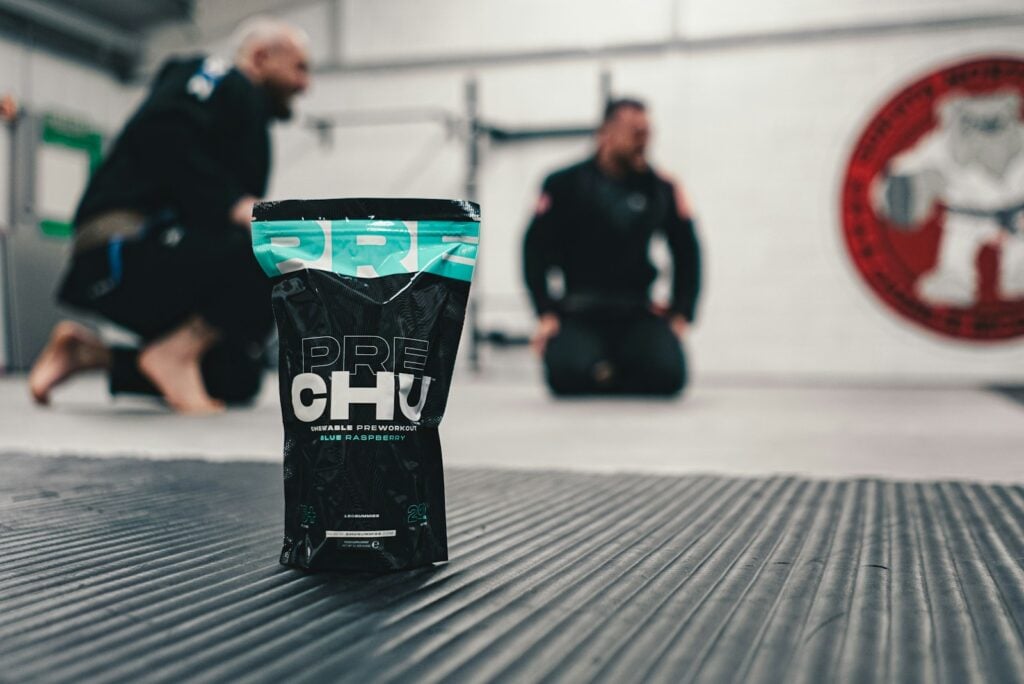
The shelf life of pre-workout supplements depends primarily on whether the container has been opened and how you store it. Manufacturers typically print expiration or “best by” dates on containers that fall around 9 to 18 months after production, though some products remain effective for up to 2 years.
Unopened pre-workout supplements generally last 1 to 2 years from the manufacturing date when stored correctly. The sealed packaging protects the contents from air, moisture, and light, the three main culprits that cause supplements to degrade.
As long as the seal remains intact and you keep the container in proper conditions, the ingredients maintain their potency close to the printed expiration date.
Once you break that seal, everything changes. Opened pre-workout containers have a significantly shorter shelf life of approximately 6 to 12 months. Every time you open the lid, you expose the powder to air and potential moisture, which accelerates ingredient breakdown.
If you live in a humid climate or don’t seal the lid tightly after each use, that timeline can shrink even further.
Why the Expiration Date Matters
The expiration date printed on your pre-workout container represents the manufacturer’s guarantee that the product will maintain full potency and effectiveness under proper storage conditions. It’s not a random number, companies calculate this timeline based on stability testing of their specific formula to ensure the active ingredients remain at labeled strengths.
However, it’s important to understand what expiration means for supplements versus food. An expired pre-workout doesn’t become toxic or instantly harmful like spoiled milk. Instead, the potency and efficacy of ingredients diminish over time, leading to weaker performance benefits.
You might not feel the same energy boost, pumps, or focus you’re used to because the caffeine has degraded or the amino acids have lost their effectiveness.
That said, there’s a limit. While using pre-workout a few weeks or even a couple months past expiration probably won’t hurt you, consuming products that are more than a year past their expiration date, especially if they’ve been opened, is not recommended.
At that point, you’re better off investing in a fresh container that will actually deliver the results you’re looking for.
What Makes Pre-Workout Go Bad?
Several environmental factors work together to break down the active ingredients in your pre-workout supplement. Understanding these culprits helps you recognize what to avoid when storing your container.
Moisture is the number one enemy of pre-workout powder. When water gets into your container, whether from humid air, wet hands, or a damp scoop, it creates an environment where ingredients can clump together and potentially develop mold or bacterial growth.
Even small amounts of moisture can trigger chemical reactions that degrade the powder’s quality and safety.
Heat accelerates the breakdown of active compounds like caffeine, amino acids, and vitamins. High temperatures speed up oxidation and other chemical processes that reduce ingredient potency.
This is why storing pre-workout in your car, near a stove, or in direct sunlight is a terrible idea, temperature fluctuations and heat exposure rapidly diminish effectiveness.
The Role of Air and Light
Oxygen exposure causes oxidation, which degrades many pre-workout ingredients over time. Each time you open the container, air rushes in and starts breaking down the active compounds. This is why tightly sealing the lid after every use makes such a significant difference in how long your pre-workout stays effective.
Light, particularly direct sunlight, also contributes to ingredient degradation. UV rays can break down certain vitamins and amino acids, reducing their effectiveness.
Most reputable brands use opaque containers specifically to protect their formulas from light damage, but you still need to store the container away from windows and bright light sources.
Packaging Quality and Product Form
The integrity of your pre-workout’s packaging significantly impacts shelf life. Air-tight, moisture-resistant containers with quality seals protect the contents far better than flimsy packaging.
Many brands include desiccant packets (those little “do not eat” silica gel packs) inside the container to absorb any moisture that gets in, never throw these away, as they’re working hard to keep your powder dry.
The form of your pre-workout also affects how long it lasts. Powder formulas generally have longer shelf lives than liquid pre-workouts, as long as they stay dry and properly sealed.
Capsule or pill forms often last even longer because each dose is individually sealed, protecting it from environmental exposure until you’re ready to take it.
Signs Your Pre-Workout Has Gone Bad
Sometimes pre-workout shows obvious signs of degradation before the expiration date arrives, especially if it hasn’t been stored properly. Knowing what to look for helps you avoid consuming a product that’s lost its effectiveness or could potentially make you sick.
The most alarming sign is visible mold growth. If you see any fuzzy spots, discoloration that looks like mold, or unusual growth anywhere in the powder, throw the entire container away immediately, no exceptions.
Consuming moldy supplements can cause serious illness, and no workout is worth that risk. Mold typically develops when moisture gets into the container, so this is more common in humid climates or when people use wet scoops.
A foul, stale, or unusually sour smell is another red flag. Fresh pre-workout usually has a distinct scent from its flavor ingredients and active compounds. If opening the container hits you with an off-putting odor that’s different from what you remember, the ingredients have likely oxidized or degraded.
While this doesn’t necessarily mean the product is dangerous, it indicates reduced quality and effectiveness.
Physical Changes to Watch For
Clumping is extremely common in pre-workout powder and doesn’t always mean the product has gone bad. Some clumping occurs naturally from ingredients settling during shipping or from minor moisture exposure. You can often break up small clumps by shaking the container or using a clean, dry utensil to stir the powder.
However, if your once-fluffy powder has turned into solid chunks or a brick-like consistency that’s difficult to break apart, moisture has significantly compromised the product. While clumpy pre-workout can still be safe to consume if there’s no mold or foul smell, the clumping affects dosing accuracy and may indicate ingredient degradation.
Color changes from the original appearance can signal breakdown of certain ingredients. If your bright orange pre-workout has turned brown or your blue formula looks grayish, oxidation or ingredient separation has occurred. This doesn’t automatically make the product unsafe, but it’s a strong indication that potency has diminished.
Performance and Taste Changes
Perhaps the most practical indicator that your pre-workout has expired is simply not feeling the expected effects. If you’re taking your normal dose but not experiencing the energy boost, mental focus, pumps, or endurance you’re accustomed to, the active ingredients have likely degraded.
Caffeine breaks down over time, as do amino acids like citrulline and beta-alanine that drive pre-workout benefits.
Changes in taste can also signal expiration. If your pre-workout suddenly tastes metallic, bitter, or just “off” compared to what you remember, ingredient breakdown has altered the flavor profile. While this might not be dangerous, it’s unpleasant and indicates the product is past its prime.
How to Store Pre-Workout for Maximum Freshness
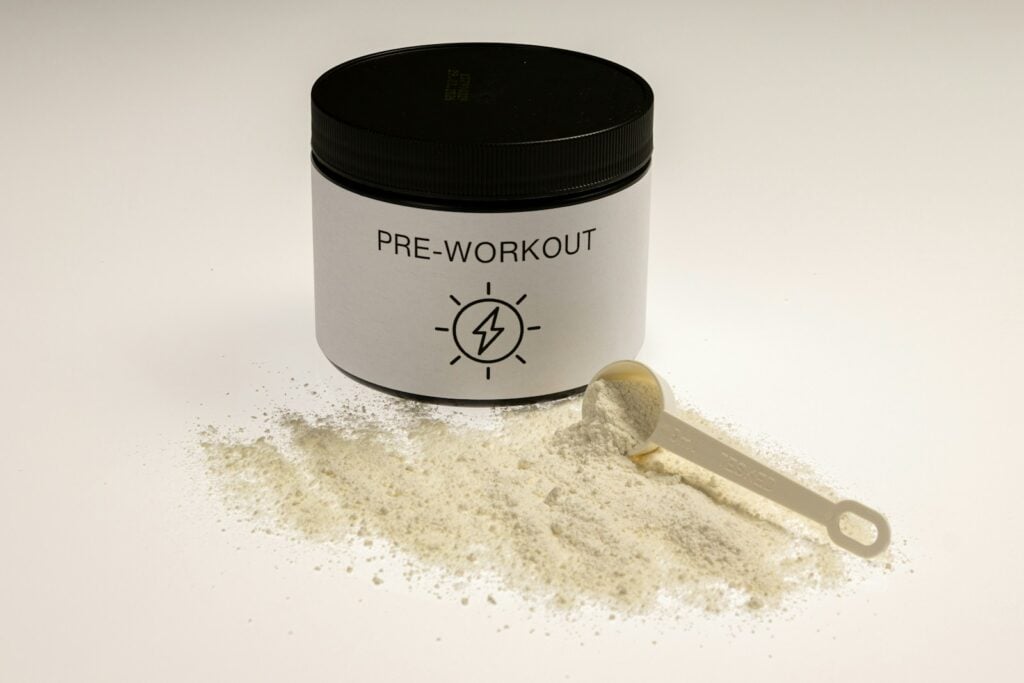
Proper storage dramatically extends your pre-workout’s shelf life and maintains ingredient potency. Following these best practices ensures you get full value from every container you buy.
Store your pre-workout in a cool, dry place away from temperature fluctuations. A pantry or cupboard works perfectly, somewhere with stable room temperature that doesn’t get hot or humid.
Avoid storing it in bathrooms (too much moisture from showers), kitchens near the stove (heat exposure), your gym bag (temperature swings and potential moisture), or your car (extreme temperature variations).
Always seal the lid tightly after every single use. This is perhaps the simplest yet most important storage habit. Even leaving the lid loose for a few hours allows air and humidity to enter, starting the degradation process. Make closing the container tightly part of your routine, scoop, seal, store.
Additional Storage Tips
Keep the desiccant packet inside the container for the product’s entire life. That little silica gel pack actively absorbs moisture, protecting your powder from humidity. Removing it significantly increases the risk of moisture-related problems like clumping and mold growth.
Use a clean, dry scoop every time. Never use a wet scoop or stick a sweaty hand into the container. Even small amounts of moisture introduced directly into the powder can cause significant problems. Consider keeping your scoop clean and storing it outside the container to avoid any moisture transfer.
Avoid leaving the container open while you prepare your drink. Measure your scoop, close the container immediately, then mix your pre-workout. Every minute the container sits open exposes the powder to air and environmental moisture.
What Happens If You Use Expired Pre-Workout?
The most likely outcome of using expired pre-workout is simply reduced effectiveness. The ingredients have degraded to the point where they can’t deliver the performance benefits you’re expecting.
You might feel less energy, reduced mental focus, weaker muscle pumps, or no effect at all. It’s frustrating but generally not dangerous if the product is only slightly past its expiration date and shows no signs of spoilage.
Using pre-workout that’s significantly expired, particularly if it’s been opened for more than a year past the date, increases the risk of digestive issues. Degraded ingredients can irritate your digestive system, potentially causing stomach upset, nausea, vomiting, or diarrhea. These effects happen because the breakdown compounds don’t process as smoothly in your body as fresh ingredients would.
The real danger comes from consuming pre-workout that shows obvious signs of contamination, particularly mold. Ingesting moldy supplements can cause serious illness including allergic reactions, respiratory problems, and severe digestive distress.
This is why visual inspection is so important, if there’s any visible mold or extremely foul smell, throw the product away regardless of the expiration date.
Final Advice
Most importantly, use common sense. If your pre-workout looks, smells, or performs strangely, trust your instincts and replace it. No supplement is worth risking your health or wasting workouts on ineffective products.
Buy sizes you’ll actually finish within a few months, check manufacturing dates when possible, and create simple habits, like writing the opening date on containers, that help you track freshness.
When you treat your pre-workout with the same care you’d give any other supplement or fitness investment, you’ll consistently get the performance boost you’re looking for while avoiding the disappointment of degraded, ineffective products.
Your workouts deserve fresh, potent fuel, and now you know exactly how to make sure that’s what you’re getting every single time you mix up that pre-workout drink.