
Recovering Holistically After a Traumatic Medical Experience
Want to rebuild your life after a traumatic medical experience?
Not like band-aid it back together. Recover holistically so you cover your body, your mind, and your rights.
Here’s what’s covered…
About 400,000 people who are hospitalized each year experience preventable injury while in the care of a healthcare professional. That doesn’t even account for victims who experience some type of trauma and severe emotional distress as a result. Medical errors are the third leading cause of death in America. Yikes.
If you’ve been harmed as the result of a medical error (or your loved one has), fixing your physical injuries isn’t enough.
The emotional trauma and financial ruin doesn’t magically disappear.
Taking legal action against a negligent medical provider is one piece of the puzzle. Once a medical mistake has caused enough harm to warrant legal intervention, it’s critical to talk to an Orange County medical malpractice lawyer early. An attorney can make sure your rights aren’t violated before time limits shut off your options.
But a lawsuit is only one facet of holistic recovery.
In this guide, the breakdown covers exactly what recovering after a medical injury looks like — and how to methodically approach each aspect of the process.
Table of Contents
- What Holistic Recovery Actually Means
- Healing Physically After a Medical Error
- The Mental Health Side Nobody Talks About
- Building A Support System That Works
- Navigating the Legal Road Ahead
- Rebuilding Trust In The Healthcare System
- The Bottom Line on Holistic Recovery
What Holistic Recovery Actually Means
When it comes to your health, holistic means meeting your medical needs through every layer of your being. Instead of just focusing on your body, you consider your emotional and mental wellbeing too.
The same should be true for your recovery after a traumatic medical experience.
Focusing on just your physical injuries is a mistake. The mental anguish you go through after placing your trust in the medical system — only to have that trust betrayed — creates long term health issues of its own.
Holistic recovery addresses every aspect of your wellbeing.
Healing physically is only one piece of the puzzle. If you want to recover properly, you need to treat your whole self — not just the area that received direct injury from the error.
Healing Physically After a Medical Error
Physical recovery will look different for every victim. A surgical error will require an entirely different recovery plan than a medication error or missed diagnosis.
That being said, there are recovery best practices that apply to any medical mistake:
- Seek a second opinion as soon as possible. Once you know that a mistake has been made, get a second medical opinion from an outside source. You can not rely on the same hospital or healthcare professionals to oversee your recovery.
- Keep records of everything. Document all follow up appointments, changes in symptoms, and alterations to your treatment plan. This ensures your health is monitored and gives you something to fall back on if you decide to take legal action later.
- Stick to your rehabilitation plan. Attend all physical therapy appointments, take care of your wounds as instructed, and keep up with your doctor’s recommended follow up visits. Recovery isn’t a casual suggestion, it’s a regiment you should take seriously.
Your physical recovery may take time. But it’s harder when you ignore the mental health side of your injury.
The Mental Health Side Nobody Talks About
Did you know…
According to a study done by Stanford researchers, approximately 40% of patients that have been hospitalized via emergency care will suffer from some sort of PTSD, depression, or anxiety symptoms within two months of being discharged. Yet a huge portion of patients don’t receive any sort of mental health follow up at all.
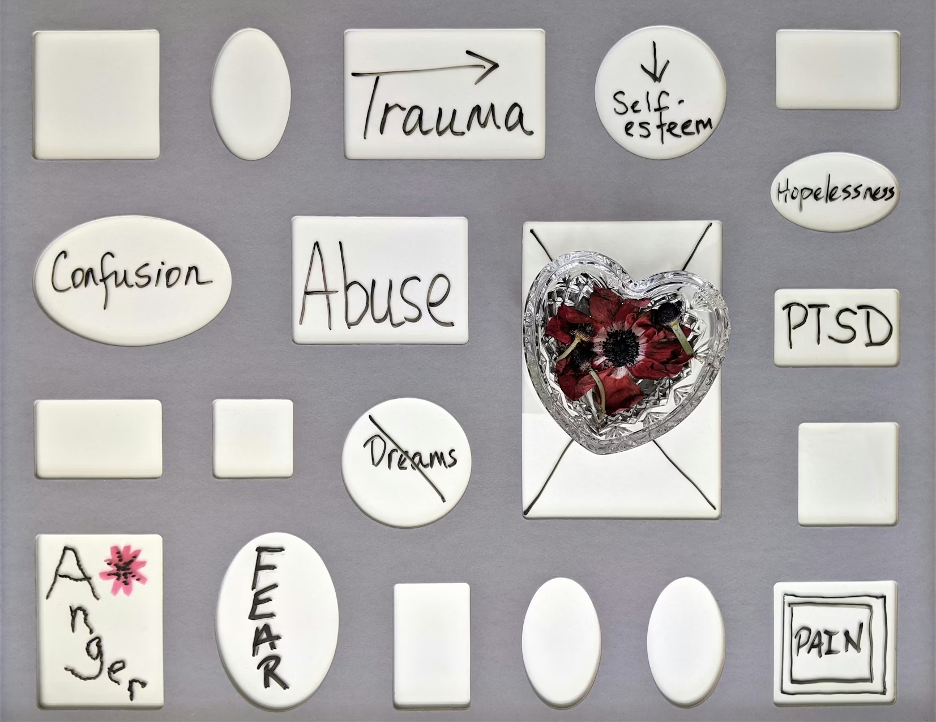
The medical trauma you experience after a grave mistake like this can take a serious toll on your psychological wellbeing. You put your life in their hands. They let you down.
There’s a lot of trauma responses to watch out for including:
- Flashbacks and obsessive thoughts related to your experience
- Avoiding hospitals, doctors offices, or medical facilities altogether
- Constant anger, irritability, or feeling emotionally numb
- Insomnia / anxiety you just can’t shake
Just because these thoughts are normal, doesn’t mean you have to suffer through recovery alone. Trauma-based depression and anxiety after a medical error is common. But that doesn’t mean you don’t deserve to seek help.
You don’t have to tell your story to anyone you don’t want to. But seeking support from a mental health professional can help you work through the trauma of your experience.
CBT and EMDR are both extremely effective forms of therapy for victims of medical trauma. Don’t wait for your symptoms to get too severe to manage before you reach out.
Building A Support System That Works
Recovering in solitude is one of the worst things you can do to yourself after a medical injury.
It doesn’t matter who insults you or your experience, build a support system with people who care about you and want you to get better. Your support system should encourage you to stick with your recovery plan, and keep you from slipping into harmful thought patterns when you’re isolated for too long.
Here are a few examples of what your support system should look like:
- Family members or friends you trust to help you get to appointments or take care of daily tasks
- A mental health professional you can talk to about your experience and undergo trauma focused therapy with
- A patient advocate to help you understand your rights within the healthcare system
- Legal representation you can trust to advise you on your options when it comes to holding a medical provider accountable.
Nobody can fill every single role on that list. And if you try to do everything yourself, you’ll make your recovery that much more difficult.
Navigating the Legal Road Ahead
Filing a lawsuit is not something anyone plans on doing. But when you’ve been wronged by a negligent medical provider, taking legal action can be a huge step in your recovery.
Why? Well, because…
Money isn’t everything. But having the ability to cover medical expenses, pay for lost wages, and quality of life damages after a medical mistake is made is one less thing you have to worry about. Medical errors cause enough stress as is. Having someone to fight for you legally can help take that burden off your plate.
A few things to keep in mind if you decide to take legal action:
California has a time limit for when you can file a medical malpractice claim (as do all other states). In California, that time frame is pretty short. It’s important that you reach out to a qualified attorney ASAP. Medical records, witness statements, and expert testimony all need to be collected. You also need to prove that the care you received fell below the standards of your provider’s area of expertise and directly led to you being injured.
The list goes on. But working with the right medical malpractice attorney can alleviate a lot of that stress.
Rebuilding Trust In The Healthcare System
This is the part nobody wants to think about. But for a lot of patients, returning to a doctor’s office after a traumatic experience feels impossible.
Medical errors are serious and 41% of Americans say they’ve been a victim of one. A large portion of victims don’t even go back for follow up care because they’ve lost faith in the system.
You can’t control if that happens to you. But you can take small steps to find healthcare providers that won’t let you down again.
Ask questions, demand your doctor provide clear answers, and know that there are good and bad apples in every profession. Just because one doctor failed you, doesn’t mean you’ll have the same experience with every doctor you go to from here on out.
The Bottom Line on Holistic Recovery
This process takes time.
Your physical recovery is important. Your mental health recovery is important. Holding a medical provider accountable is important. Rebuilding your trust in the medical system is important too.
Don’t rush yourself.
Focus on recovering one layer at a time. Take the time you need to care for every aspect of your health — both physical and mental.