
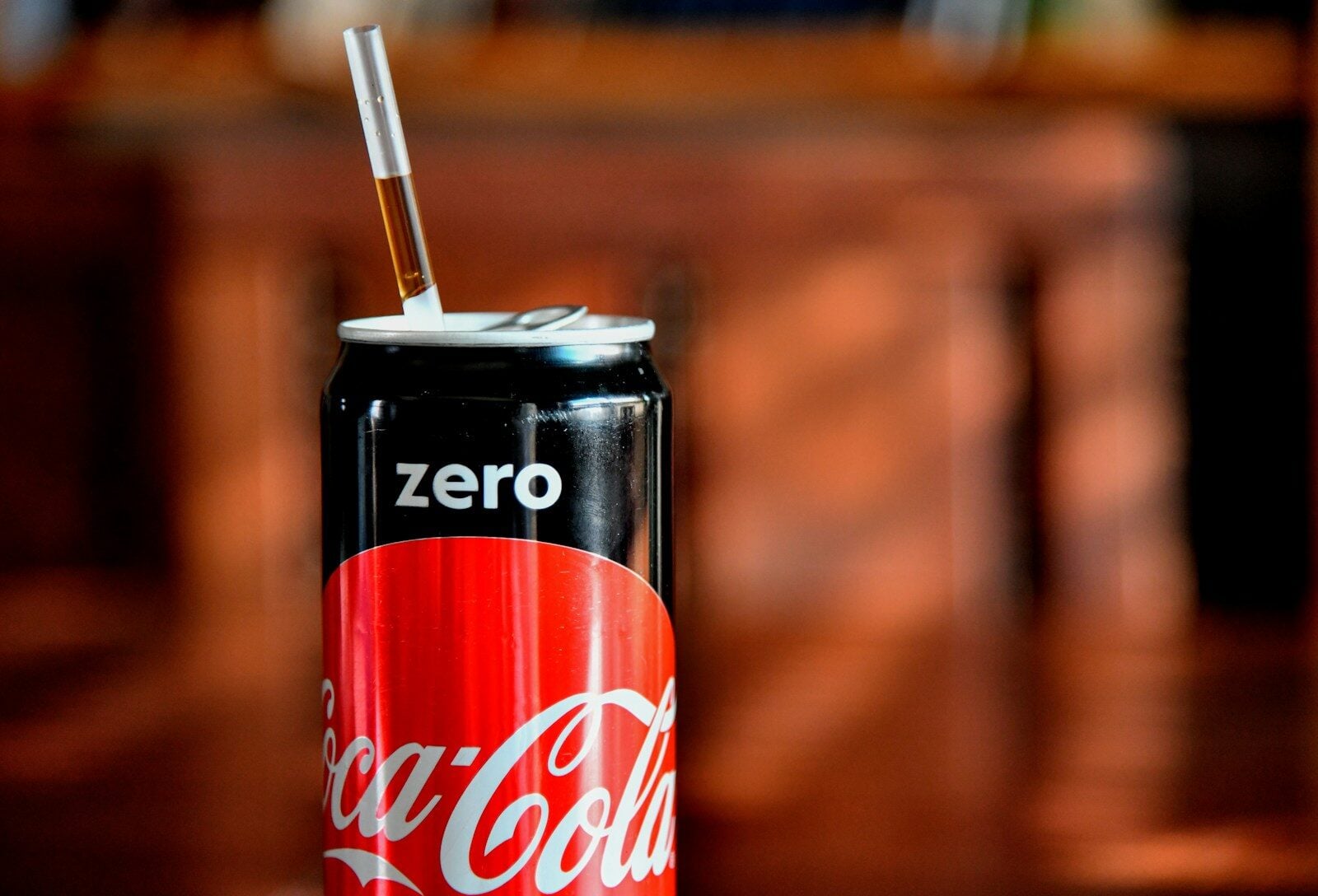
The Real Difference Between Diet Coke and Coke Zero: Which One Is Better?
Key Takeaways: The main difference between Diet Coke and Coke Zero lies in the flavor profile and the acidulent used. Diet Coke has a lighter, unique taste profile with a distinct “kick” from citric acid, while Coke Zero is formulated with sodium citrate to mimic the classic taste of original Coca-Cola with zero sugar.
For decades, the difference between diet coke and coke zero has been a hot topic of debate at soda fountains and office breakrooms alike. At first glance, they seem like the same product in different cans. Both are calorie-free, both are sugar-free, and both are owned by the same beverage giant. However, if you’ve ever taken a sip of one and immediately missed the other, you know that the experience is anything but identical.
Choosing between the two usually comes down to whether you want a drink that tastes like a “diet” soda or a drink that tastes like the “real thing.” Understanding how these two liquids are engineered helps explain why people are often fiercely loyal to one over the other.
The Flavor Profile Battle: Classic vs. Modern
The most significant way to distinguish these two drinks is through your taste buds. Coca-Cola originally released Diet Coke in 1982. At that time, they weren’t trying to replicate the flavor of the flagship sugary cola; they were creating a brand-new flavor profile entirely.
Diet Coke is often described as having a crisp, lighter, and somewhat “citrusy” flavor. It doesn’t try to hide the fact that it’s a diet drink. This is largely due to its use of citric acid as a primary flavoring agent, which gives it that sharp, biting finish that fans crave.
On the other hand, Coke Zero (now officially rebranded as Coca-Cola Zero Sugar) was launched in 2005 with a completely different mission. Its goal was to taste exactly like original Coca-Cola, just without the sugar. By using a different blend of flavors and sodium citrate, the chemists managed to smooth out the edges, resulting in a deeper, more caramel-forward taste that closely mirrors the red-label classic.
Breaking Down the Ingredients
When you flip the cans around, the ingredient lists look remarkably similar, but the subtle variations make all the difference. Both drinks use a blend of aspartame and acesulfame potassium (Ace-K) as sweeteners.
According to the official Coca-Cola product descriptions, the primary differentiator is the acid used for tartness.
Diet Coke Ingredients:
- Carbonated Water
- Caramel Color
- Aspartame
- Phosphoric Acid
- Potassium Benzoate
- Natural Flavors
- Citric Acid
- Caffeine
Coke Zero Sugar Ingredients:
- Carbonated Water
- Caramel Color
- Phosphoric Acid
- Aspartame
- Potassium Citrate
- Natural Flavors
- Potassium Benzoate
- Acesulfame Potassium
- Sodium Citrate
Notice that Diet Coke leans on citric acid, while Coke Zero utilizes sodium citrate. This minor swap is what removes the “diet” aftertaste in Coke Zero and replaces it with a smoother profile.
Quick Comparison Table
| Feature | Diet Coke | Coke Zero Sugar |
| Primary Goal | Unique, crisp flavor | Mimic original Coca-Cola |
| Sweeteners | Aspartame | Aspartame & Ace-K |
| Acidulent | Citric Acid | Sodium Citrate |
| Calories | 0 | 0 |
| Caffeine Content | Slightly Higher (approx. 46mg) | Slightly Lower (approx. 34mg) |
| Launch Year | 1982 | 2005 |
Why Does Diet Coke Have More Caffeine?
A little-known fact in the difference between diet coke and coke zero saga is the caffeine content. A 12-ounce can of Diet Coke generally contains about 46 milligrams of caffeine. In contrast, a 12-ounce can of Coke Zero contains about 34 milligrams.
While the difference isn’t massive, it is noticeable for those who are sensitive to stimulants. This higher caffeine content in Diet Coke often makes it the preferred choice for people looking for a mid-afternoon “pick-me-up” rather than just a meal accompaniment.
Health and Nutritional Outlook
From a strictly macronutrient perspective, there is no difference. Both contain zero grams of fat, zero grams of protein, and zero carbohydrates.
However, health experts often look at the long-term effects of artificial sweeteners. As noted by Healthline, both drinks are considered safe by the FDA, but they should be consumed in moderation. The debate over whether artificial sweeteners like aspartame affect insulin sensitivity or gut health is ongoing, but for the average person looking to cut sugar, both serve as effective alternatives to high-fructose corn syrup.
Pros and Cons of Each
Diet Coke
Pros:
- Distinctive Taste: It has a “bite” that some people find more refreshing than sugary sodas.
- Caffeine Boost: Offers a bit more energy per can.
- Nostalgia: It has a cult following and a branding aesthetic that many prefer.
Cons:
- Chemical Aftertaste: Some users find the aspartame-heavy flavor too artificial.
- Less Like “Real” Coke: If you want the taste of original Coca-Cola, you won’t find it here.
Coke Zero Sugar
Pros:
- Authentic Flavor: Remarkably close to the original sugar-filled version.
- No Bitter Finish: The use of sodium citrate rounds out the flavor.
- Modern Formula: It has undergone several updates to keep the taste as “real” as possible.
Cons:
- Less Caffeine: Not as effective if you’re drinking it specifically for the energy.
- Sodium Content: Slightly higher sodium levels compared to Diet Coke, though still negligible for most.
Common Mistakes When Choosing
- Assuming they are identical: Many people grab whatever is available, only to be disappointed by the flavor shift. If you hate the taste of “diet” drinks, you will likely dislike Diet Coke but enjoy Coke Zero.
- Ignoring caffeine sensitivity: Drinking a Diet Coke late at night might keep you awake longer than a Coke Zero would, given the 12mg difference in caffeine.
- Thinking they are “Health Drinks”: While they are better for your teeth and blood sugar than regular soda, they aren’t water. Replacing all hydration with zero-calorie sodas can still lead to issues with acid erosion on tooth enamel.
How to Choose the Right One for You
If you are still on the fence, consider these three steps to find your favorite:
- Perform a Blind Taste Test: Pour both into identical glasses. Notice the smell first. Coke Zero often smells sweeter and “heavier,” while Diet Coke has a sharper, more acidic scent.
- Check the Occasion: If you’re eating a heavy meal like a burger and fries, the smoothness of Coke Zero might pair better. If you’re looking for a sharp, refreshing drink on a hot day, the crispness of Diet Coke often wins.
- Evaluate Your Caffeine Needs: If you are trying to cut back on caffeine but don’t want to go caffeine-free, Coke Zero is the middle ground.
FAQ
1. Does Diet Coke use different sweeteners than Coke Zero?
Both use aspartame and acesulfame potassium, but the ratios and the accompanying acids (citric acid vs. sodium citrate) create the flavor gap.
2. Which one is better for weight loss?
Nutritionally, they are identical. Neither contains calories or sugar, making them both suitable for weight loss diets compared to regular soda.
3. Why did they change the name from Coke Zero to Coke Zero Sugar?
The rebranding was done to make it explicitly clear to consumers that the drink contains no sugar, as some people were confused by the original “Zero” moniker.
4. Is there a difference in carbonation levels?
Many fans report that Diet Coke feels “fizzier” or more aggressively carbonated. This is likely due to the interaction between the carbonation and the higher acidity of the citric acid.
5. Do they both contain phosphorus?
Yes, both drinks use phosphoric acid, which provides that classic cola tang and helps preserve the beverage.
The Final Verdict on the Difference Between Diet Coke and Coke Zero
Ultimately, the choice is subjective. Diet Coke is a standalone flavor—a brand in its own right that doesn’t try to be anything else. Coke Zero Sugar is a feat of flavor engineering designed to give you the classic experience without the caloric cost.
Whether you prefer the sharp “zing” of a silver can or the smooth, classic finish of the black can, you’re getting a zero-sugar experience tailored to a specific palate. The best way to know for sure is to try them side-by-side and see which one satisfies your craving.