
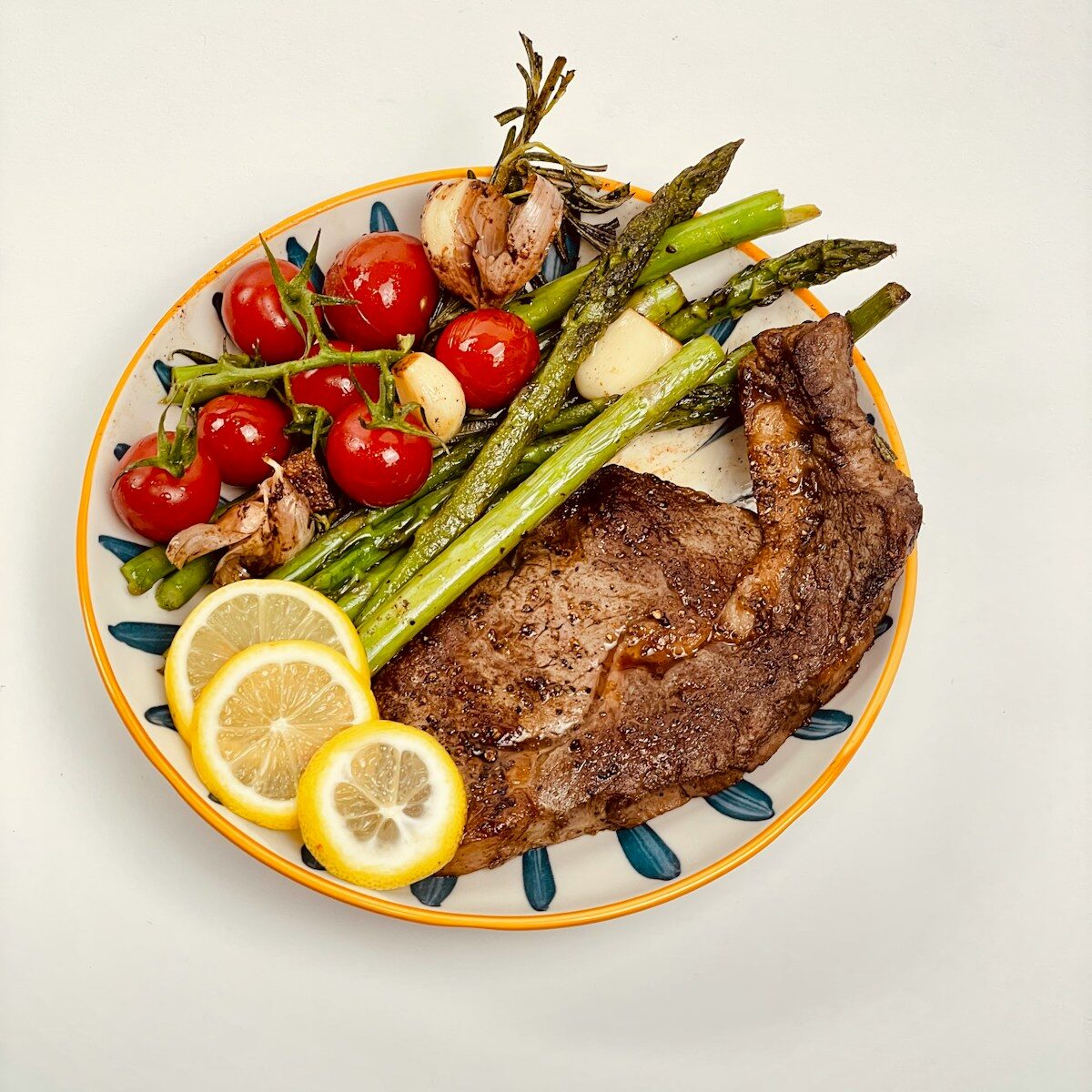
The Ultimate Guide to Carnivore Diet Recipes
Key Takeaways: Carnivore diet recipes focus exclusively on animal products like meat, fish, eggs, and animal fats to eliminate plant-based toxins and inflammation. By prioritizing high-quality proteins and fats, these meals provide a simple, nutrient-dense approach to fat loss and improved metabolic health.
Transitioning to an all-meat lifestyle might seem restrictive at first, but once you dive into the world of carnivore diet recipes, you realize that simplicity is actually a superpower. Most people are used to plates crowded with colorful vegetables and complex sauces, but the carnivore approach strips everything back to the essentials: protein and fat. It’s about reclaiming your health by eating the foods humans have prized for millennia.
Why Quality Matters in Carnivore Cooking
Before we fire up the grill, we need to talk about the ingredients. Since you are removing fiber and carbohydrates, your body becomes incredibly efficient at absorbing nutrients from animal sources. This means the quality of your meat is paramount.
When looking for the best results, many enthusiasts point toward ruminant animals like beef and lamb. According to research from Healthline, the diet is often used as a high-intensity elimination protocol to identify food sensitivities. Because you are eating so few ingredients, every bite counts.
Choosing Your Fats
On a standard diet, fat is often demonized. On a carnivore plan, fat is your primary energy source. You’ll want to stock your kitchen with:
- Grass-fed tallow
- Suet
- Ghee (clarified butter)
- Duck fat
- High-quality butter (if you tolerate dairy)
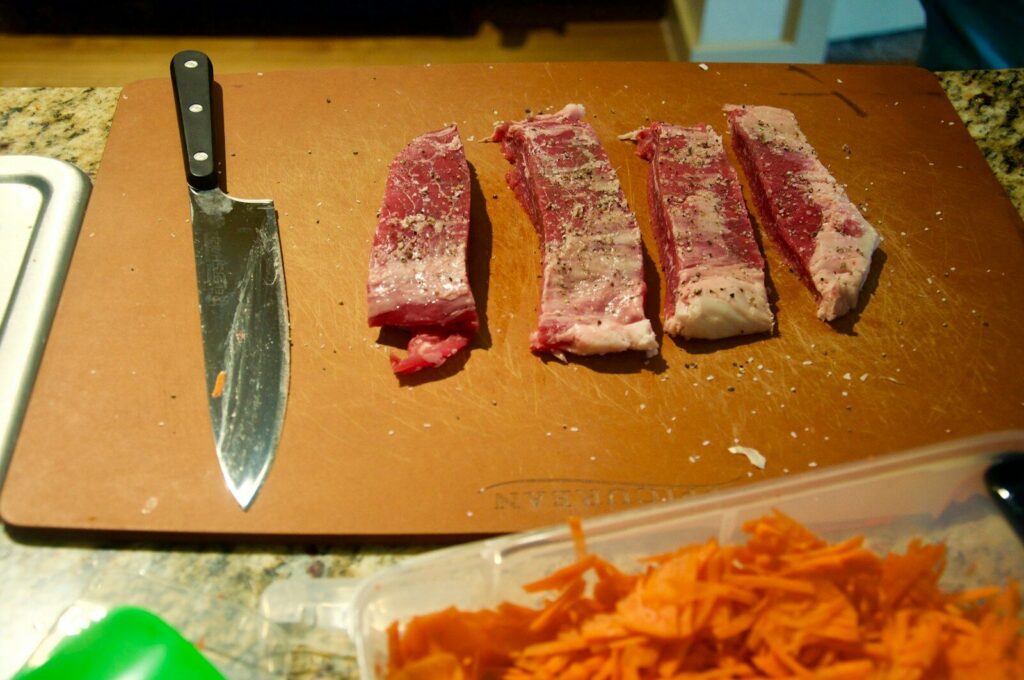
Essential Carnivore Diet Recipes for Beginners
If you are just starting out, you don’t need a culinary degree. You just need a heavy-bottomed pan and a good salt shaker. Here are some foundational ways to prepare your meals that keep things interesting without breaking the rules.
1. The Perfect Ribeye Steak
The ribeye is the king of carnivore diet recipes because of its ideal fat-to-protein ratio.
- Take the steak out of the fridge 30 minutes before cooking to reach room temperature.
- Pat the meat bone-dry with a paper towel. This is the secret to a crusty sear.
- Generously season with coarse sea salt.
- Heat a cast-iron skillet until it’s screaming hot.
- Sear for 3-4 minutes per side, basting with butter or tallow in the final minute.
2. Slow-Roasted Brisket
For those who prefer a “set it and forget it” approach, brisket is a budget-friendly way to get plenty of fat. Simply salt the meat, place it in a slow cooker or Dutch oven with a small amount of water or bone broth, and cook on low for 8-10 hours. The result is tender, pull-apart meat that stays moist throughout the week.
3. Crispy Pork Belly Bites
Pork belly is essentially thick-cut bacon’s more sophisticated cousin. Slice it into cubes, salt them heavily, and air fry at 400 degrees for about 20 minutes. They turn into “meat candy” that provides a satisfying crunch often missed when giving up snacks.
Quick Comparison Table: Meat Selection
| Cut of Meat | Fat Content | Primary Benefit | Best Cooking Method |
| Ribeye | High | Perfect nutrient ratio | Pan-sear |
| Ground Beef (80/20) | Medium-High | Affordable/Versatile | Burger patties |
| Beef Liver | Low | Vitamin A powerhouse | Quick sear |
| Lamb Chops | High | Unique fatty acid profile | Grilling |
| Chicken Thighs | Medium | Budget-friendly | Roasted with skin on |
Advanced Carnivore Diet Recipes: Getting Creative
Eating just steak can eventually lead to “palate fatigue.” To stay on track long-term, it helps to vary the textures and flavors of your animal products.
Carnivore “Bread” (The Egg Loaf)
While it isn’t bread in the traditional sense, you can create a fluffy, bread-like texture using just eggs and pork rinds.
- The Process: Blend 4 eggs with a cup of crushed pork rinds and a pinch of salt. Pour into a small loaf pan and bake at 350 degrees until set. It works perfectly as a base for a “sandwich” made with roast beef and melted cheese.
Seafood Medleys
Don’t forget the ocean. While ruminant meat should be the staple, seafood adds variety. A popular recipe involves searing scallops in bacon grease or making a “creamy” shrimp dish using heavy cream (if dairy is allowed) or simply egg yolks to create a rich sauce.
Common Mistakes When Following the Carnivore Way
Even with the best carnivore diet recipes, it is easy to trip up in the first few weeks.
- Under-eating Fat: This is the most common error. If you feel tired, cranky, or constipated, you likely aren’t eating enough fat. Your plate should be greasy.
- Over-relying on Lean Meats: Chicken breast and tilapia won’t sustain you. They lack the fat-soluble vitamins and caloric density needed for fuel.
- Using Complex Spice Rubs: Many pre-made rubs contain sugar, cornstarch, or anti-caking agents. Stick to salt or single-ingredient spices if you aren’t doing a strict elimination.
- Ignoring Electrolytes: As your body drops water weight, you lose sodium, magnesium, and potassium. Be aggressive with your salting.
Practical Examples of a Daily Meal Plan
Breakfast: The Power Start
- 4 Large eggs fried in bacon drippings.
- 3 Strips of thick-cut bacon.
- A side of salt-cured smoked salmon.
Lunch: The Portable Option
- Cold roast beef slices wrapped around pieces of hard cheese.
- A handful of “beef jerky” (ensure it is sugar-free and soy-free).
Dinner: The Main Event
- A 12oz New York Strip steak topped with a puck of compound butter (butter mixed with salt and bone marrow).
- A small bowl of bone broth to sip on.
Pros and Cons of a Meat-Based Lifestyle
Pros:
- Mental Clarity: Many users report the “brain fog” lifting within days of removing sugar and grains.
- Digestive Relief: For those with IBS or autoimmune issues, removing fiber can significantly reduce bloating and pain.
- Simplified Shopping: Your grocery trips become much faster when you skip 90% of the aisles.
Cons:
- The Adaptation Phase: Often called the “Keto Flu,” your body may struggle as it switches from burning glucose to burning fat.
- Social Challenges: Dining out requires a bit of assertiveness to ensure your meat isn’t cooked in seed oils or served with sides you won’t eat.
The Role of Organ Meats in Carnivore Diet Recipes
If you want to reach the “pro” level of this diet, you have to look beyond the muscle meat. Organ meats are nature’s multivitamins.
- Liver: Contains massive amounts of Vitamin A, B12, and copper. If you don’t like the taste, try “hidden liver” recipes where you grind up 10% liver into 90% ground beef for burgers.
- Heart: This is actually a muscle meat but is very high in CoQ10. It tastes very similar to steak but with a slightly denser texture.
- Bone Marrow: Often called “God’s butter,” roasted marrow bones provide healthy fats and collagen that are great for gut health.
As noted by Diet Doctor, focusing on nutrient density ensures that you aren’t just surviving on meat, but thriving. They emphasize that while many people do well on just ribeye, adding variety can prevent deficiencies over several years.
Steps to Meal Prepping for Success
- Bulk Buy: Purchase meat in bulk or half-cows from local farmers to save money.
- Pre-Portion: Slice your steaks or weigh your ground beef into 1lb portions before freezing.
- Make “Emergency” Meats: Always have hard-boiled eggs or sugar-free beef sticks ready for when hunger strikes unexpectedly.
- Save Your Scraps: Never throw away fat trimmings or bones. Turn them into tallow or bone broth.
FAQ
Can I use any seasoning in carnivore diet recipes?
Strictly speaking, the diet is animal-products only, meaning just salt. However, many people follow a “relaxed” version where they use black pepper, garlic powder, and herbs. If you are doing this for an autoimmune condition, it is best to start with only salt for 30 days.
Is dairy allowed?
This depends on your goals. Many people include butter, heavy cream, and hard cheeses. If your goal is weight loss, you may want to limit dairy as it can be easy to overconsume. If you are lactose intolerant, stick to ghee or tallow.
How do I get enough Vitamin C?
Fresh meat, especially when cooked rare or medium-rare, contains small amounts of Vitamin C. Interestingly, when you aren’t consuming carbohydrates, your body’s requirement for Vitamin C drops because glucose and Vitamin C compete for the same uptake transporters.
Will I get scurvy?
There is no evidence of scurvy in long-term carnivore communities who eat fresh meat. Scurvy was historically a problem for sailors eating “salt pork” and dried meats that had been stripped of their natural vitamins.
Can I eat processed meats like sausage?
You can, but you must read the labels. Most commercial sausages contain fillers like flour, soy protein, and sugar. Look for high-quality, local sausages that only contain meat, fat, and salt.
How much should I eat?
The general rule on a carnivore plan is to eat until you are “comfortably stuffed.” Your body is very good at signaling satiety when you aren’t interfering with hormone-disrupting sugars and processed oils.
What about coffee?
Coffee is a plant bean, so technically it isn’t carnivore. However, many people keep it in their routine for the caffeine and social aspect. If you find you are still having digestive issues or anxiety, try cutting the coffee for a few weeks to see how you feel.
Exploring different carnivore diet recipes is the best way to ensure this lifestyle remains sustainable. Whether it’s a perfectly seared steak or a rich bowl of bone broth, focusing on the quality and preparation of your food makes all the difference in your health journey.