
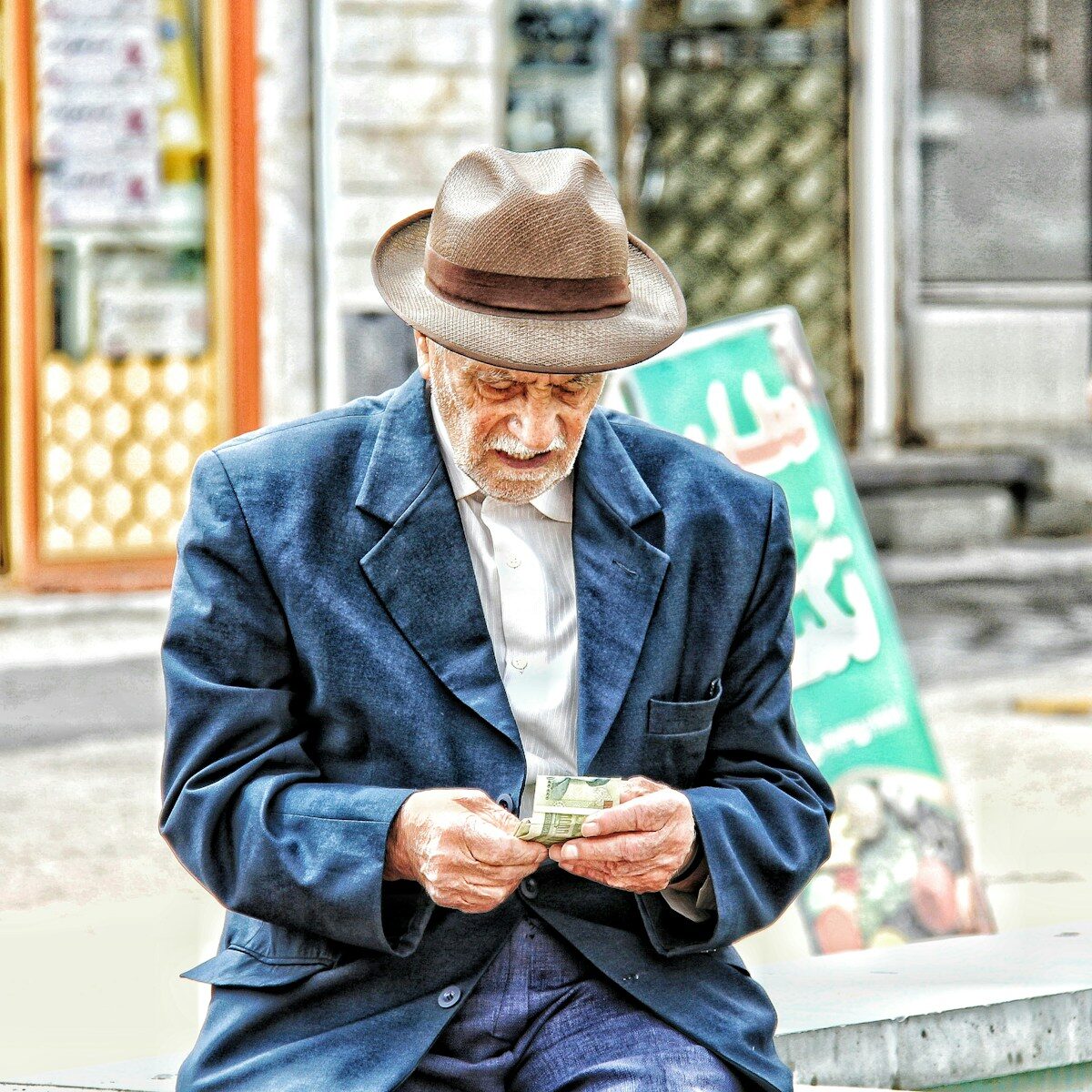
Mastering Old Money Style Men
Key Takeaways: Old Money Style Men
Old money style for men is an aesthetic rooted in “quiet luxury,” emphasizing high-quality fabrics, tailored fits, and timeless pieces over loud logos or fleeting trends. It focuses on looking polished and understated, favoring a palette of neutrals, navy, and earth tones to project an air of inherited elegance and effortless sophistication.
The Ultimate Guide to Old Money Style Men
Old money style men understand that true elegance never needs to scream for attention. While modern fashion often feels like a race to see who can wear the biggest logo or the brightest neon, the “old money” aesthetic moves at a different pace. It is the art of looking like you belong in a mahogany-lined library or on a teak-decked yacht, even if you’re just grabbing a coffee downtown. This look isn’t about how much money you have; it’s about how much taste you have.
To master this look, you have to shift your mindset from “buying clothes” to “building a wardrobe.” It’s a subtle distinction, but it’s the secret sauce behind every well-dressed man in history.
The Core Philosophy of Quiet Luxury
At its heart, this style is about longevity. You aren’t looking for pieces that will be “out” by next season. You want items that your son could realistically inherit and wear twenty years from now. This means prioritizing natural fibers like wool, silk, linen, and high-grade cotton.
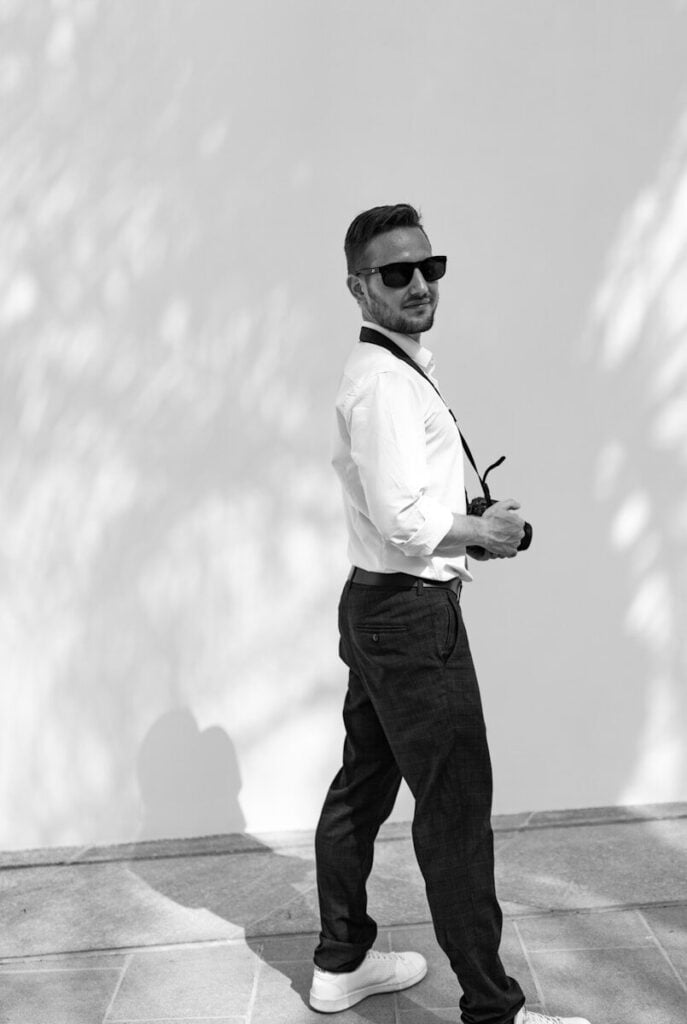
A great resource for understanding the heritage behind these fabrics is Gentleman’s Gazette, which offers deep dives into the history of classic menswear. They emphasize that the “old money” look is less about a specific brand and more about the silhouette and the quality of the construction.
Essential Pieces for the Wardrobe
If you’re starting from scratch, don’t feel like you need to buy everything at once. In fact, a hallmark of the old money style is that the clothes look lived-in, not brand new.
- The Navy Blazer: This is the undisputed king of the wardrobe. Ideally, it should have brass or silver buttons for that classic nautical feel.
- Oxford Cloth Button-Down (OCBD) Shirts: Stick to white, light blue, and perhaps a subtle pink or yellow.
- Chinos and Cords: Avoid denim when possible. Well-fitted chinos in sand, stone, or navy are the go-to.
- Knitwear: Think cashmere crewnecks or cable-knit sweaters draped over the shoulders—a classic move for chilly evenings.
- Leather Footwear: Loafers (penny or tassel) and Chelsea boots in brown suede or polished calfskin.
Practical Examples and Common Mistakes
It is easy to veer into “costume” territory if you aren’t careful. The goal is to look like a person, not a character from a period drama.
Practical Example: The Weekend Look
- The Outfit: A cream-colored linen shirt with the sleeves rolled up, tailored olive chinos, and brown suede loafers (no socks).
- Why it works: It feels relaxed but intentional. The colors are muted, and the textures do the talking.
Common Mistakes to Avoid:
- Visible Logos: If people can see a giant horse or a designer’s name from across the street, it isn’t old money.
- Poor Fit: Even a $2,000 jacket looks cheap if the sleeves are too long. Tailoring is non-negotiable.
- Synthetic Fabrics: Polyester and nylon blends often have a sheen that looks artificial under sunlight. Stick to the classics.
- Over-Accessorizing: One watch and perhaps a wedding band or signet ring is plenty. Leave the heavy chains at home.
Comparison: Old Money vs. New Money Style
Understanding the difference helps you stay on track.
| Feature | Old Money Style | New Money Style |
| Branding | Invisible or discreet | Large logos and monograms |
| Color Palette | Earth tones, navy, cream | Neons, high-contrast, black |
| Fit | Tailored and proportional | Oversized or ultra-skinny |
| Focus | Quality of fabric | Current trendiness |
| Accessories | Heritage watches, leather | “Hype” sneakers, heavy jewelry |
How to Build the Look: A Step-by-Step List
Building a wardrobe for old money style men takes patience. Here is how to approach it systematically.
- Audit Your Current Closet: Remove anything with loud graphics or distressed detailing.
- Invest in a “Uniform”: Find a pair of chinos and a button-down shirt that fit you perfectly. Buy them in three neutral colors.
- Find a Local Tailor: Establish a relationship with someone who can adjust your hemlines and waistbands.
- Focus on Footwear: Swap your daily sneakers for a pair of high-quality leather loafers.
- Layer Strategically: Add a V-neck sweater or a structured blazer to instantly elevate a simple look.
- Master Grooming: A clean haircut and well-kept skin are the final “accessories” that complete the aesthetic.
Pros and Cons of the Aesthetic
Before committing to this style, it’s worth weighing the lifestyle shift.
Pros:
- Timelessness: You will never look at old photos of yourself and cringe at “what was I thinking?”
- Versatility: These clothes work for weddings, work, and weekend brunches.
- Respect: This style projects competence and reliability.
Cons:
- Upfront Cost: High-quality natural fibers often cost more than fast fashion.
- Maintenance: Leather needs polishing, and wool requires proper storage and occasional dry cleaning.
- Understated Nature: If you enjoy being the “loudest” person in the room, this style might feel too boring for you.
Selecting the Right Fabrics
The tactile nature of this style is what sets it apart. During the warmer months, linen is your best friend. It wrinkles, yes, but those wrinkles are part of the charm—it shows a relaxed attitude toward perfection. For colder weather, look into Harris Tweed or heavy flannels. Vogue often discusses how high-end designers are returning to these heritage textiles to evoke a sense of “stealth wealth.” Using these materials creates a visual depth that flat, synthetic fabrics simply can’t replicate.
Frequently Asked Questions
Do I have to be wealthy to dress in this style?
Absolutely not. While the name implies “money,” the look is about the aesthetic of quality. You can find incredible pieces at vintage shops, thrift stores, or mid-range retailers that focus on classic cuts. It’s about the choice of garment, not the price tag.
Can I wear sneakers with this look?
Yes, but they must be “clean.” Think minimalist leather sneakers in white or off-white. Avoid chunky “dad shoes” or bright running sneakers. The goal is a streamlined silhouette.
What colors are most important?
The foundation should be navy, charcoal, beige, and white. Once you have those, you can add “country” colors like forest green, burgundy, and mustard yellow.
Is black allowed in the old money palette?
In traditional menswear circles, black is often reserved for formal evening wear (tuxedos) or funerals. For daily wear, navy and charcoal are considered more sophisticated and versatile.
How should my clothes fit?
They should follow the lines of your body without being tight. You want a “natural” shoulder on your jackets and a slight taper in your trousers. The goal is comfort that looks sharp.
The Power of Subtlety
The most important thing for old money style men to remember is that the clothes are a backdrop for your personality. The aesthetic suggests that you have better things to do than worry about what people think of your outfit. It’s a quiet confidence. When you stop dressing to impress others and start dressing to respect the occasion and yourself, you’ve truly mastered the look.