
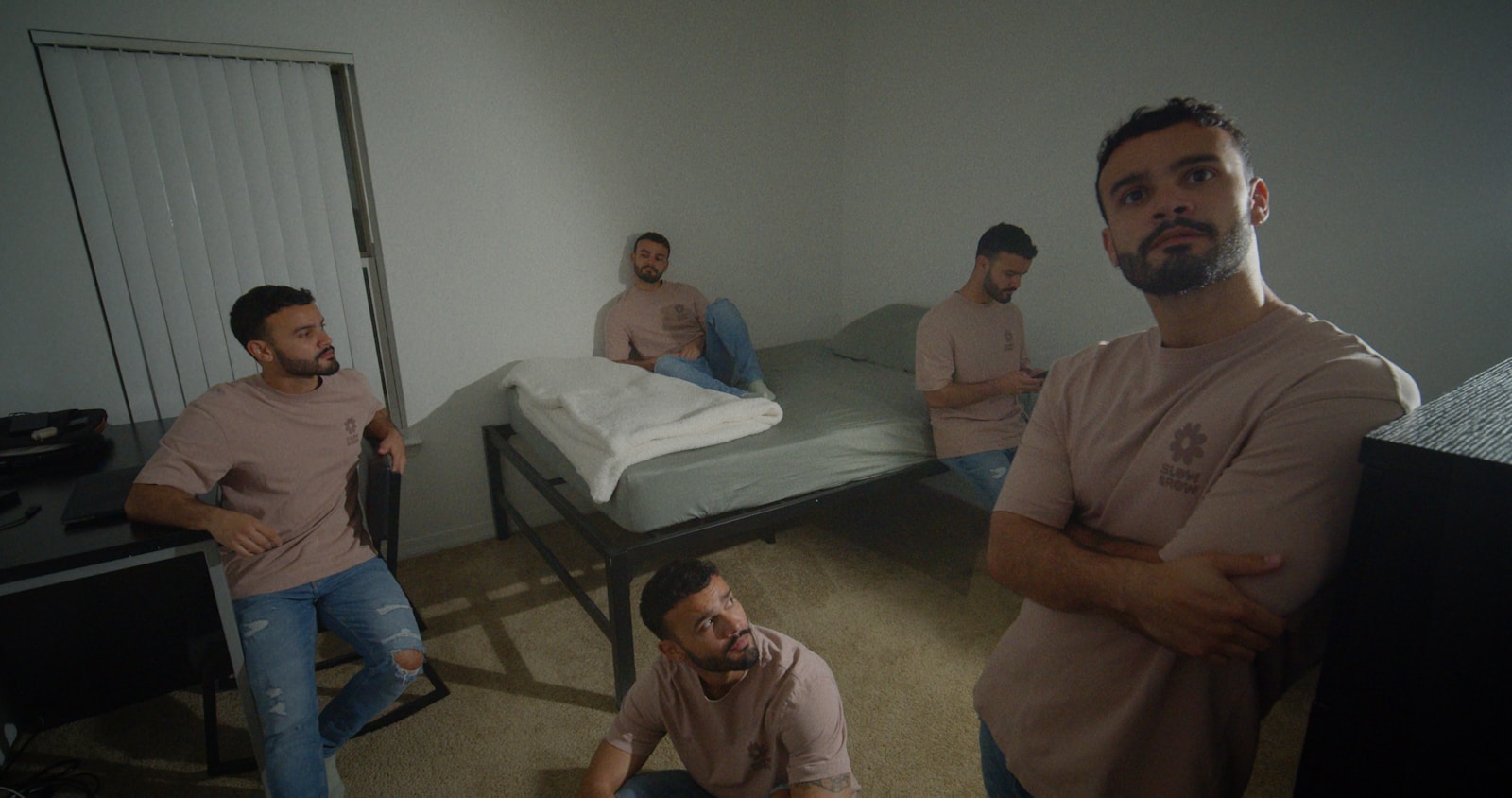
Understanding Quiet BPD – The Hidden Struggle
What Is Quiet BPD?
Quiet BPD, or quiet borderline personality disorder, is a lesser-known and often misunderstood presentation of borderline personality disorder. Unlike the more familiar form of BPD, which includes outward expressions of intense emotion and conflict, quiet BPD turns those intense emotions inward. This internalization often masks the severity of the condition, making it harder for both the individual and others to recognize the struggle.
People with quiet BPD may appear calm or even detached on the outside while battling intense emotional turmoil internally. This contrast between appearance and reality can lead to misdiagnosis, underdiagnosis, and a lack of proper support.
Key Traits of Quiet BPD
Quiet BPD does not have its own separate diagnosis in the Diagnostic and Statistical Manual of Mental Disorders (DSM), but it is widely recognized by mental health professionals as a subtype. It shares the same core symptoms of BPD—unstable relationships, identity disturbances, fear of abandonment, impulsivity, and intense emotions—but they are experienced and expressed differently.
Here are some common characteristics of quiet BPD:
- Internalized Anger: Instead of expressing rage outwardly, individuals may direct it toward themselves through self-criticism or self-harm.
- Fear of Rejection: This can lead to withdrawal from relationships rather than lashing out.
- People-Pleasing Behavior: Trying to avoid conflict by meeting others’ needs at the expense of one’s own well-being.
- Emotional Suppression: Emotions are deeply felt but kept hidden, leading to emotional exhaustion.
- Sudden Withdrawal: Individuals may “disappear” from social interactions or relationships without explanation.
- Chronic Feelings of Emptiness: A pervasive sense of being lost or disconnected from oneself.
The Hidden Nature of Quiet BPD
What makes quiet BPD particularly challenging is how invisible it can be. Since people with this condition often mask their emotions and avoid outward conflict, their suffering goes unnoticed. Others might see them as quiet, introverted, or even highly functioning, while inside they are struggling with feelings of worthlessness, shame, and anxiety.
This invisibility can delay diagnosis and treatment. Quiet BPD may be misdiagnosed as depression, social anxiety, or even high-functioning anxiety. Without an accurate understanding of the condition, individuals may not receive the help they need.
How Quiet BPD Affects Daily Life
Living with quiet BPD can be mentally and emotionally draining. Even basic social interactions can be fraught with self-doubt and inner conflict. Here are some common ways this condition impacts daily life:
- Work and School: Fear of failure or criticism may cause procrastination or perfectionism. Sudden episodes of emotional overwhelm can lead to absenteeism or burnout.
- Friendships: Maintaining close relationships can be difficult due to the fear of being too much or not enough. The person might cut ties abruptly out of fear of rejection.
- Romantic Relationships: Intimacy may be both deeply desired and feared, leading to patterns of push and pull.
- Self-Image: Individuals often have an unstable sense of self, struggling with who they are or what they value.
Differences Between Quiet BPD and Typical BPD
While both quiet and typical BPD share the same diagnostic criteria, the way symptoms are expressed is different. In typical BPD, the symptoms are often externalized—manifesting in outbursts, visible self-harm, or intense interpersonal drama. In contrast, quiet BPD turns these experiences inward.
For example:
- A person with typical BPD may yell or confront someone during a conflict.
- A person with quiet BPD may blame themselves, shut down, or disappear.
This difference in behavior can influence how others perceive the individual and how professionals approach diagnosis and treatment.
Why Quiet BPD Often Goes Undiagnosed
There are several reasons why quiet BPD can go unnoticed for years:
- Cultural Expectations: In many societies, especially for women, being quiet, compliant, and emotionally reserved is seen as positive. These traits can mask underlying emotional distress.
- High Functioning Mask: Individuals may excel in work or academics, presenting a capable facade while struggling internally.
- Co-occurring Conditions: Quiet BPD is often misdiagnosed as anxiety, depression, or PTSD, especially when self-harm or outward aggression is not present.
- Stigma Around BPD: Due to negative stereotypes associated with BPD, individuals may hesitate to seek help or disclose symptoms.

The Emotional Landscape of Quiet BPD
Living with quiet BPD involves navigating a complex emotional world. Intense emotions like fear, guilt, shame, and sadness are often felt but not expressed. This creates a disconnect between inner reality and outer behavior. Over time, this emotional suppression can lead to:
- Chronic fatigue
- Dissociation
- Persistent sadness
- Heightened sensitivity to criticism or perceived slights
Because these feelings are internalized, they often result in cycles of self-blame and negative self-talk.
Relationships and Quiet BPD
Relationships play a central role in the experience of quiet BPD. While the individual may deeply crave connection, their fear of abandonment or rejection may cause them to pull away before anyone gets too close.
Some common relational patterns include:
- Ghosting Friends: Disappearing from contact without explanation to avoid emotional discomfort.
- Hyper-vigilance: Overanalyzing others’ behavior for signs of disapproval or abandonment.
- Avoidant Attachment: Maintaining emotional distance even in close relationships.
- Self-Isolation: Choosing to be alone as a protective mechanism, even when it feels lonely.
Coping Mechanisms in Quiet BPD
People with quiet BPD often develop coping strategies to manage emotional pain, but not all of them are healthy. Common unhealthy coping strategies may include:
- Overworking or overachieving to feel a sense of worth
- Suppressing emotions instead of processing them
- Self-harm as a release for internalized anger or pain
- Avoidance of conflict or emotional expression
Healthy coping strategies can help manage the symptoms more effectively:
- Mindfulness practices to stay grounded in the present moment
- Journaling to express emotions safely
- Setting boundaries in relationships
- Therapy to develop emotional regulation skills
Treatment Options for Quiet BPD
Therapy is the most effective way to treat quiet BPD. While medications can help with co-occurring symptoms like anxiety or depression, they do not address the core features of the disorder.
Effective therapy options include:
- Dialectical Behavior Therapy (DBT): This is one of the most evidence-based treatments for BPD. It focuses on emotion regulation, distress tolerance, and interpersonal effectiveness.
- Cognitive Behavioral Therapy (CBT): Helps reframe negative thought patterns that contribute to emotional distress.
- Schema Therapy: Focuses on identifying and changing deeply rooted patterns and beliefs.
- Eye Movement Desensitization and Reprocessing (EMDR): Can be helpful for those with trauma-related symptoms.
Therapists who specialize in personality disorders are often best equipped to recognize and treat quiet BPD effectively.
Living With Quiet BPD: Hope and Healing
Although quiet BPD can be incredibly challenging, many people go on to lead fulfilling and meaningful lives. With the right support, awareness, and strategies, it is possible to break the cycle of self-blame, isolation, and emotional suppression.
Recovery is not linear. There will be setbacks, but healing involves learning how to manage intense emotions, set healthy boundaries, and build authentic connections. The journey is deeply personal and requires self-compassion and patience.
Supporting Someone With Quiet BPD
If you suspect someone you care about may be struggling with quiet BPD, here are some ways to offer support:
- Listen without judgment: Create a safe space for them to open up.
- Be patient: Their withdrawal or silence isn’t a reflection of you.
- Encourage professional help: Suggest therapy without pushing or labeling.
- Validate their feelings: Even if you can’t see their pain, acknowledge that it’s real.
- Educate yourself: Understanding quiet BPD can help you offer more effective support.
Final Thoughts on Quiet BPD
Quiet BPD is a complex and often overlooked form of borderline personality disorder. Its subtle nature can mask the emotional intensity that lies beneath the surface. Recognizing the signs and seeking the right help can make a significant difference in quality of life.
Whether you’re experiencing the symptoms yourself or supporting someone who is, understanding quiet BPD is the first step toward healing. Compassion, education, and mental health support can empower individuals to break free from the cycle of emotional pain and self-doubt and move toward a more balanced and connected life.